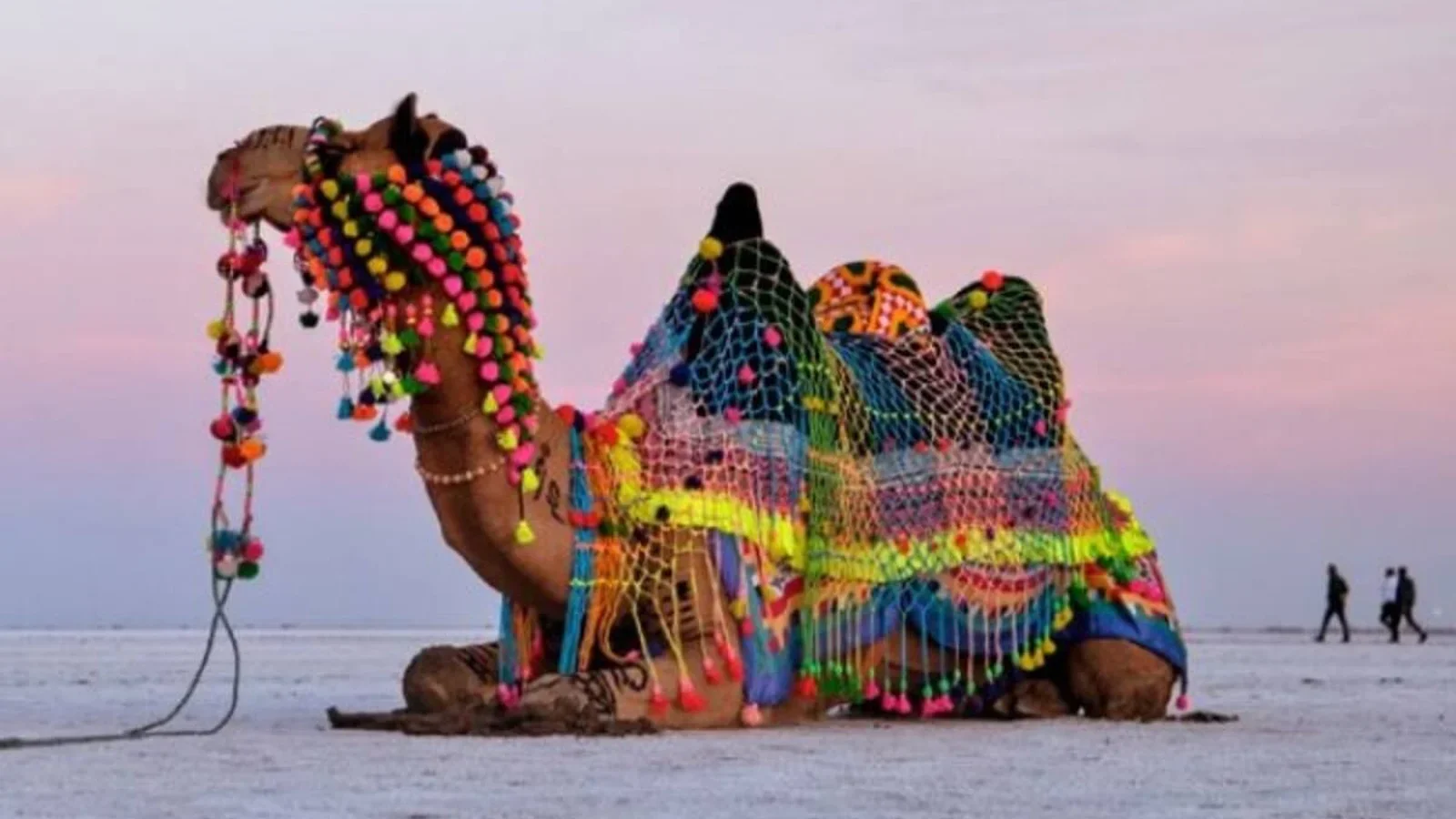
Rann Utsav, Gujarat's desert carnival in Kutch, runs for 127 days from 1 November 2026 to 7 March 2027, centred on the gateway village of Dhordo. Whether the plan is a camel ride at sunset, folk music under the stars or a night in a desert tent, the festival rewards a little planning.
The festival is held in the heart of Gujarat's salt desert, and its centrepiece is the White Rann of Kutch. The salt flats change colour through the day, from brilliant white in the afternoon to gold at sunset and then to a glowing silver expanse under the night sky. That changing light is the reason many visitors plan their trip around the moon.
The weather stays cool, breezy and pleasant through the festival, according to the guide. That makes the long season workable for visitors across the winter, from the opening weeks in November through to the closing days in early March.
When to go: full moon windows
The White Rann is at its most breathtaking when bathed in moonlight, according to the guide. Visitors who can choose their dates should plan around the designated full moon windows: 22 to 25 November 2026, 21 to 24 December 2026, 20 to 23 January 2027, and 18 to 21 February 2027.
Festive weeks are another way to time a visit. Diwali Week runs from 8 to 14 November 2026, Christmas and New Year Week runs from 18 December 2026 to 2 January 2027, Makar Sankranti and the Kite Festival fall on 14 January 2027, and Republic Day falls on 26 January 2027. Each of these weeks brings its own celebrations inside the festival grounds.
What to see around Dhordo and Kutch
Kalo Dungar, or Black Hill, is the highest point in Kutch and offers panoramic views of the great Rann and the distant border, along with the famous magnetic road illusion, according to the guide. It is one of the most visited viewpoints in the region.
The artisan villages are where the festival's craft heritage lives. Visitors can pick up authentic Kutchi Rogan art, mud mirror work known as Lippan kaam, and embroidered textiles directly from local craftsmen. Buying from the makers keeps the craft traditions alive and gives visitors something made by hand.
Bhuj and its historic landmarks make a good day trip before or after the festival. The royal Prag Mahal, the Kutch Museum and the Smritivan earthquake memorial are all within reach. History enthusiasts can also drive down the striking Road to Heaven to explore Dholavira, the UNESCO World Heritage listed Harappan site.
Where to stay: Tent City
Staying overnight in the heart of the desert is a central part of the Rann Utsav experience. The official Tent City near Dhordo provides secure, well-managed community living with a range of tiers to fit different budgets, according to the guide.
Darbari and Rajwadi Suites are large glamping suites with private living rooms, fancy beds and personal service. Premium AC tents are the middle option, with cosy beds, private bathrooms and air conditioning, a short stroll from the food stalls and music stages. Standard tents suit travellers on a budget, simple, clean and snug enough to keep warm on chilly desert nights.
How to reach Rann Utsav
Bhuj is the nearest airport and railway station, about 80 km from Tent City. Shared or private transfers from Bhuj are usually included with Tent City packages, according to the guide. From Ahmedabad, the drive takes seven to eight hours, and road trippers often take the scenic route via Bhachau and Bhuj.
With 127 days on the calendar and the full moon windows spread across the season, there is time to plan. The busiest weeks will fill up first, so booking tents and transfers early is the practical step for anyone aiming at a full moon night or a festive week.