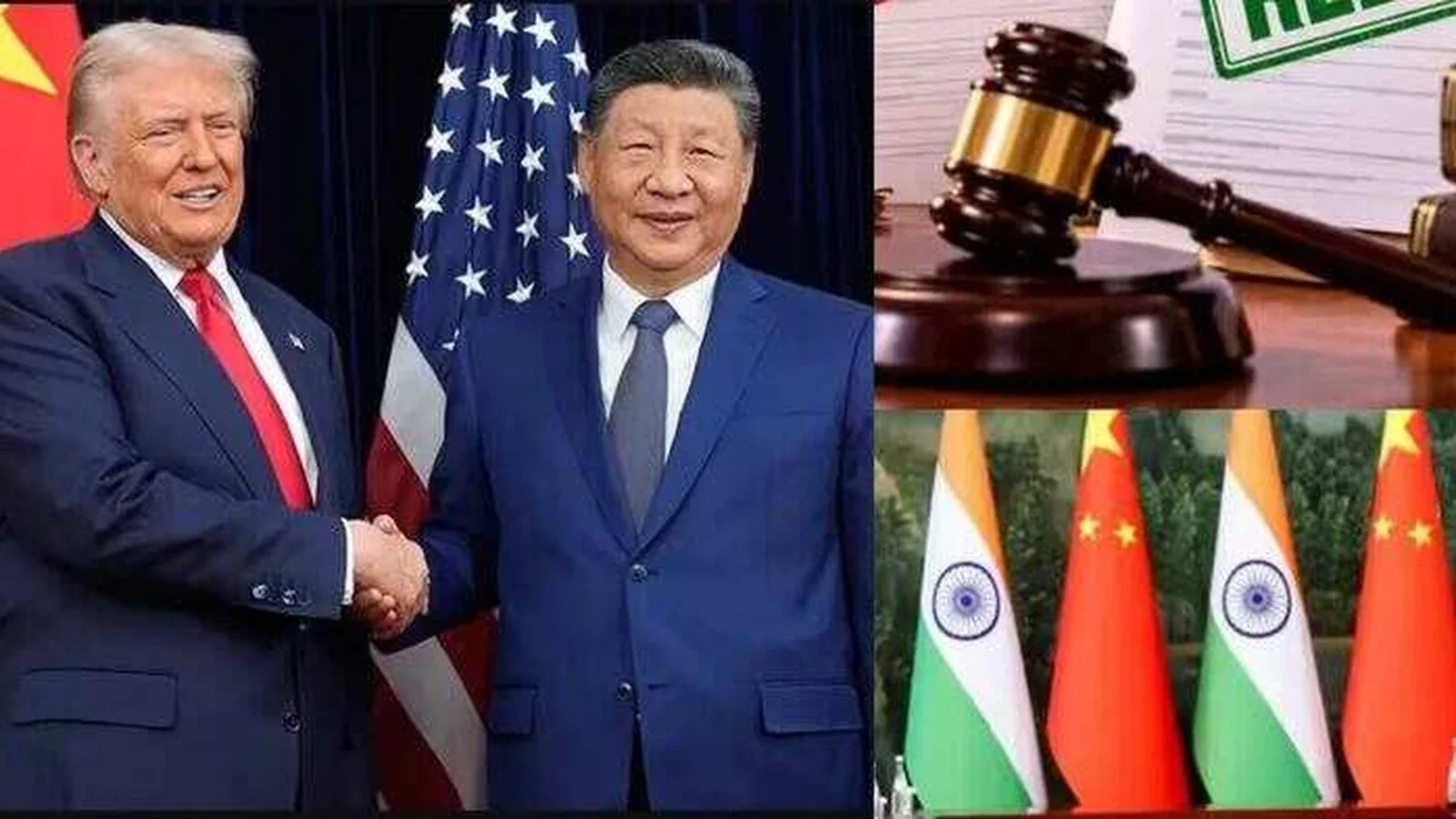
China has extended its suspension of an extra 24 percent tariff on US goods by two months, keeping a key part of the trade truce between the world's two largest economies in place while talks continue.
Separately, the Delhi bench of the Income Tax Appellate Tribunal has ruled in favour of Chinese companies, holding that income from services provided remotely from China cannot be taxed in India without a permanent establishment here.
The tariff pause and the Trump-Xi deal
The two-month extension follows a meeting between US President Donald Trump and Chinese President Xi Jinping in South Korea last week, where the two leaders agreed to continue talks and avoid new tariff increases.
China's finance ministry said the pause will continue until 10 January 2026, with the extra tariffs imposed in April remaining suspended. The suspension was due to end on 10 November.
China had earlier lowered its retaliatory tariff on US goods to 10 percent after talks in Geneva in May, and both sides later agreed to extend the pause by 90 days. The latest extension continues that pattern of rolling pauses as negotiators work towards a wider deal.
Delhi tribunal ruling for Chinese companies
In a separate development, the Delhi bench of the Income Tax Appellate Tribunal ruled that Chinese companies earning income from services provided remotely from China cannot be taxed in India without a permanent establishment here.
The case involved Germany-based Benteler Automotive's Indian operations and the assessment years 2013-14 to 2015-16, where the tax department had sought to levy 40 percent tax under the Income Tax Act.
The tribunal held that payments for services such as management, engineering and testing could not be treated as fees for technical services under the India-China double taxation avoidance agreement, because the services were not made available to the Indian entity.
Legal uncertainty remains
The tribunal said that since the double taxation treaty offers more beneficial terms, its provisions apply over the Income Tax Act. The ruling is specific to the facts of this case, but the dispute also matters because similar tax claims against Chinese companies are pending before the tax department.
The tribunal found the claims should not be taxed in India, but businesses will watch whether the tax department appeals the decision to a higher court before treating it as a settled position.
For now, the two developments offer some relief to businesses, with lower tariff pressure on trade between China and the United States and a clearer position from the Delhi tribunal on remote service income.