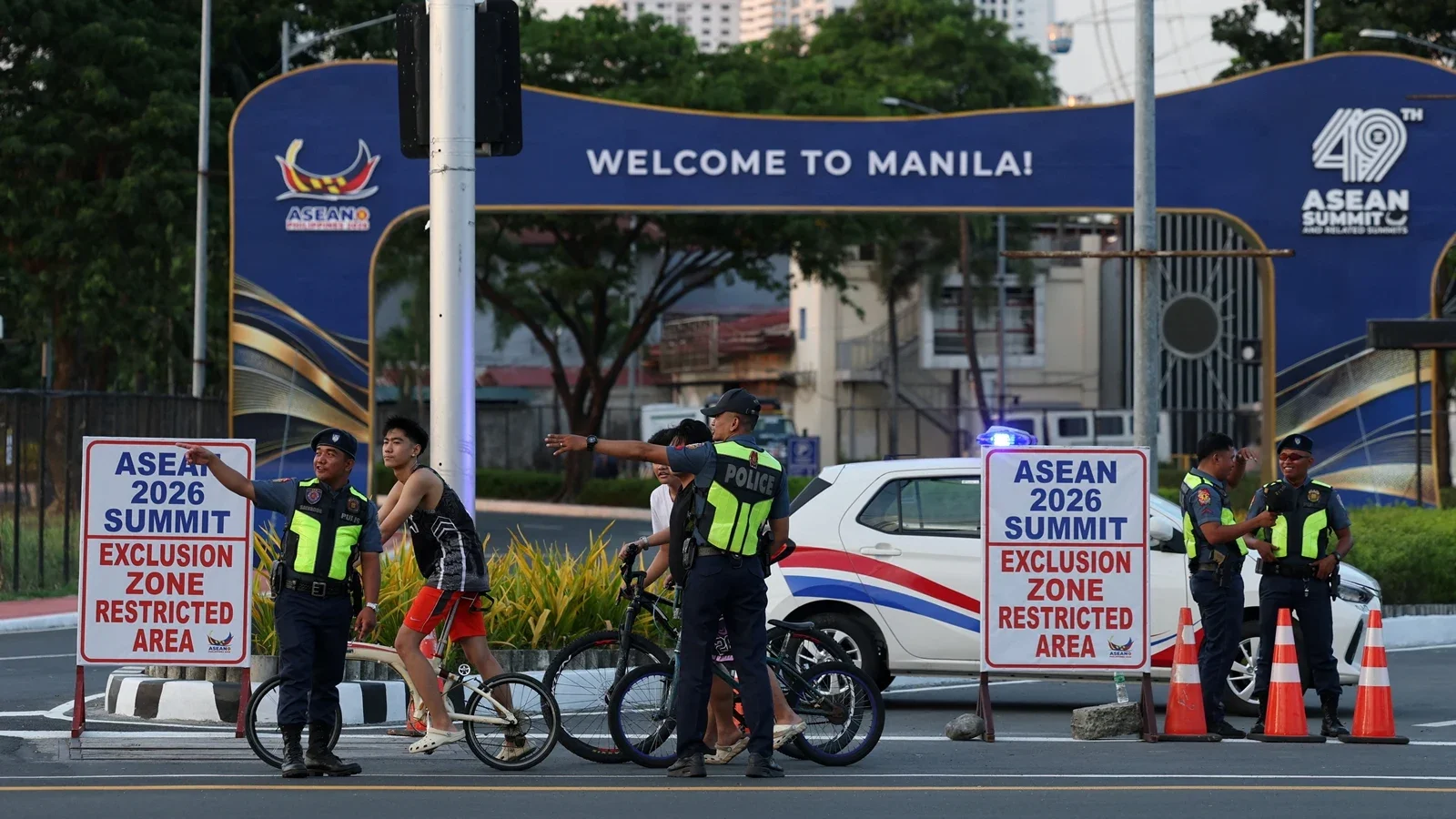
In an editorial published on Tuesday, The Indian Express argues that Prime Minister Narendra Modi's week in Manila comes at a moment when Asia's old certainties are breaking down, and that India should use the summits there to push for a stable order from which it can benefit. The piece is the newspaper's view, not a news report, and its argument is set out below.
The Prime Minister is in Manila to participate in the ASEAN-India Summit and the East Asia Summit, forums that bring together nations of a region in flux. China, the editorial says, has been doubling down on military and economic coercion and its grey-zone tactics. At the same time, traditional US security guarantees in Asia can no longer be taken for granted, because of the America First doctrine and Washington's military entanglements in Eastern Europe and West Asia.
Two further developments frame the break from the past, in the editorial's reading. One is the deepening no-limits partnership between Xi Jinping and Vladimir Putin. The other is the Trump administration's seemingly accommodating approach to Beijing and Moscow, which will culminate in a first-of-its-kind trilateral summit in Shenzhen. These shifts sharpen the challenges New Delhi faces going into a diplomacy-packed week, particularly given its stated commitment, in the Prime Minister's departure statement, to a peaceful, prosperous and resilient Indo-Pacific.
ASEAN: inroads made, potential untapped
For India, the editorial says, two meetings stand out as central to Asia's economic and security architecture, and to its own role in it. The first is ASEAN. India has made considerable inroads, sustaining defence, intelligence and naval cooperation with key members, but the full potential remains untapped.
Bilateral trade of 128.37 billion dollars in 2025-26 is modest given the size of the two economies, the editorial argues, and it pales next to ASEAN-China trade, which surpassed 1 trillion dollars in 2025. Deeper engagement could help India balance China, strengthen maritime security and diversify supply chains.
The Quad gives India a platform
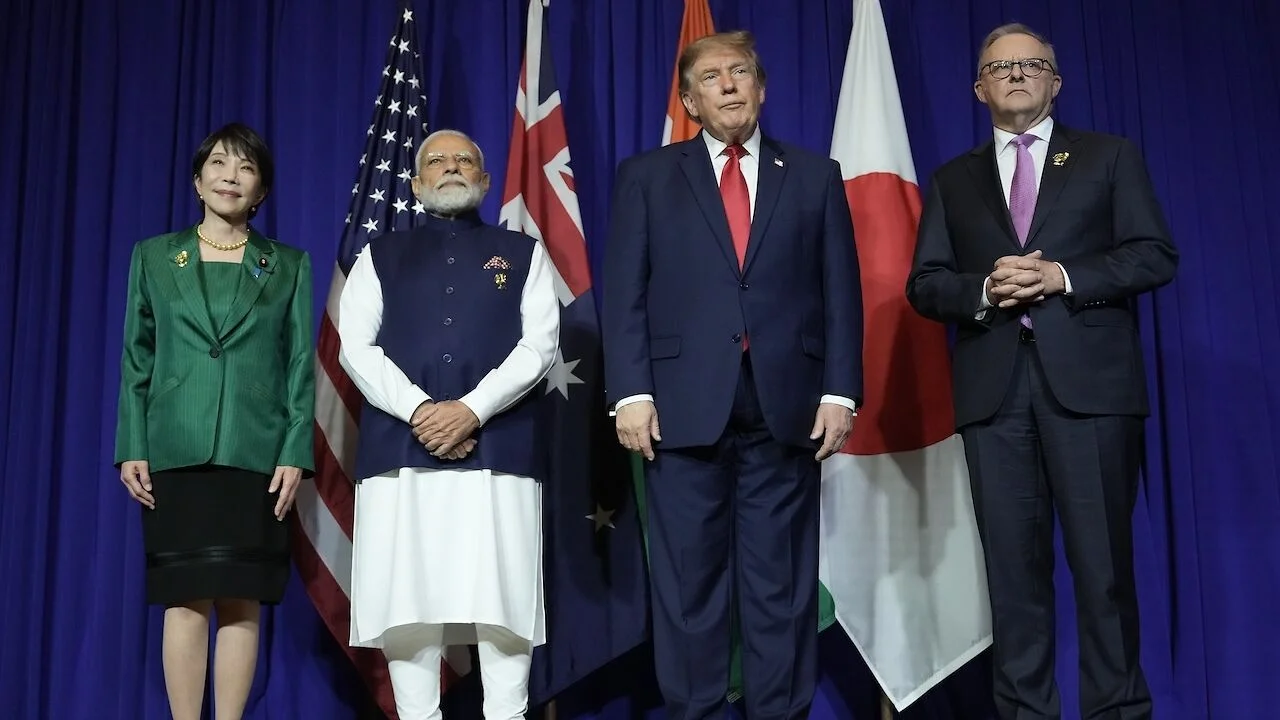
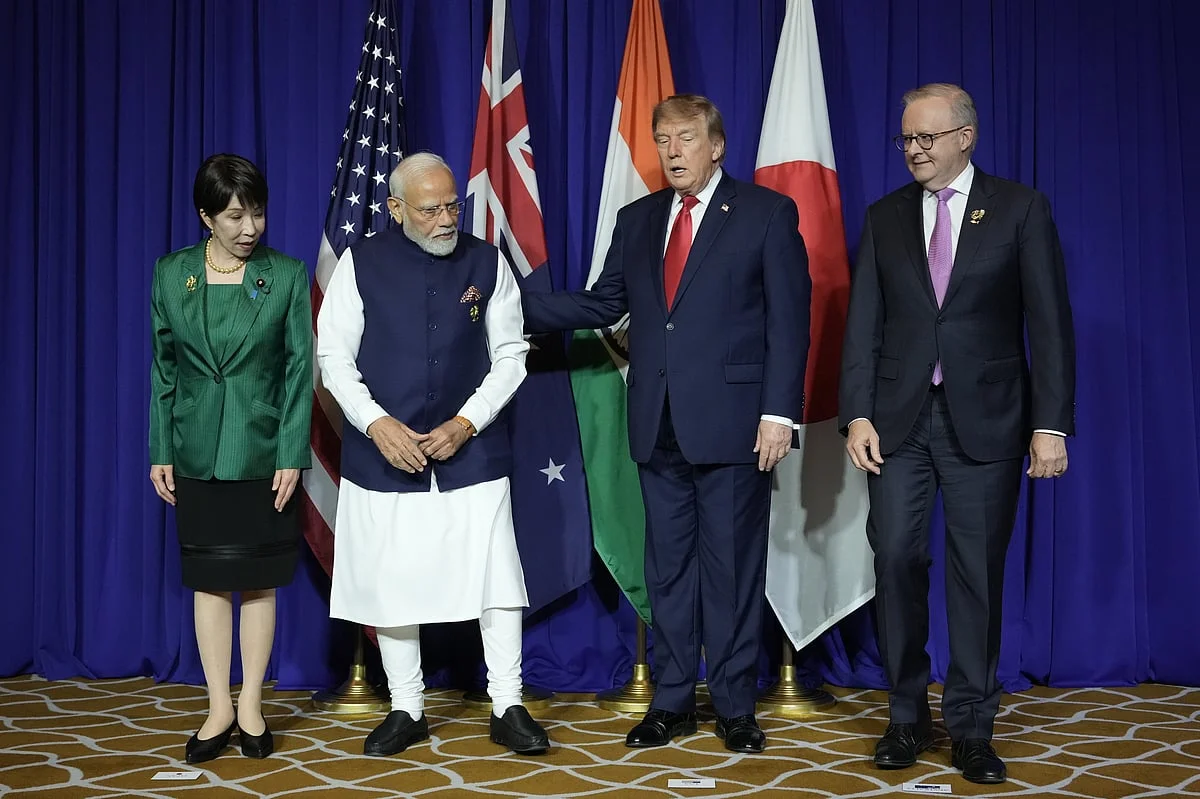
The second meeting is that of the Quad, a grouping whose relevance for India has been persistently questioned. But even without a leaders' summit in more than two years, ministerial consultations have continued, as has cooperation on maritime, technological, climate and cybersecurity issues. Just as important, the editorial argues, the Quad gives New Delhi a platform to initiate a reboot of ties with Washington and deepen those with Japan and Australia, both of which share its concern about an expansionist China.
The Quad leaders did meet in Manila on Tuesday, their first in-person leaders' meeting in more than two years, and announced five outcomes spanning a maritime exercise, cable connectivity, cybersecurity, counterterrorism and a business leaders' forum that India will host in Mumbai in 2027.
An unpredictable trilateral
The agenda of the Trump-Xi-Putin trilateral is unclear and its outcome even less predictable, if it yields anything at all, the editorial says. The three leaders have differing priorities, and the Trump administration's room to offer concessions may be limited by the risk of domestic backlash, even as the Republican Party reels from its drubbing in the midterm elections.
India's objective in Manila, therefore, should be to go beyond the West and the rest paradigm and to push for a stable order from which it can benefit, the editorial concludes. Forging strong partnerships, and more importantly bolstering national capabilities, is the most sure-footed way to navigate a world that is being reshaped by great-power rivalries.