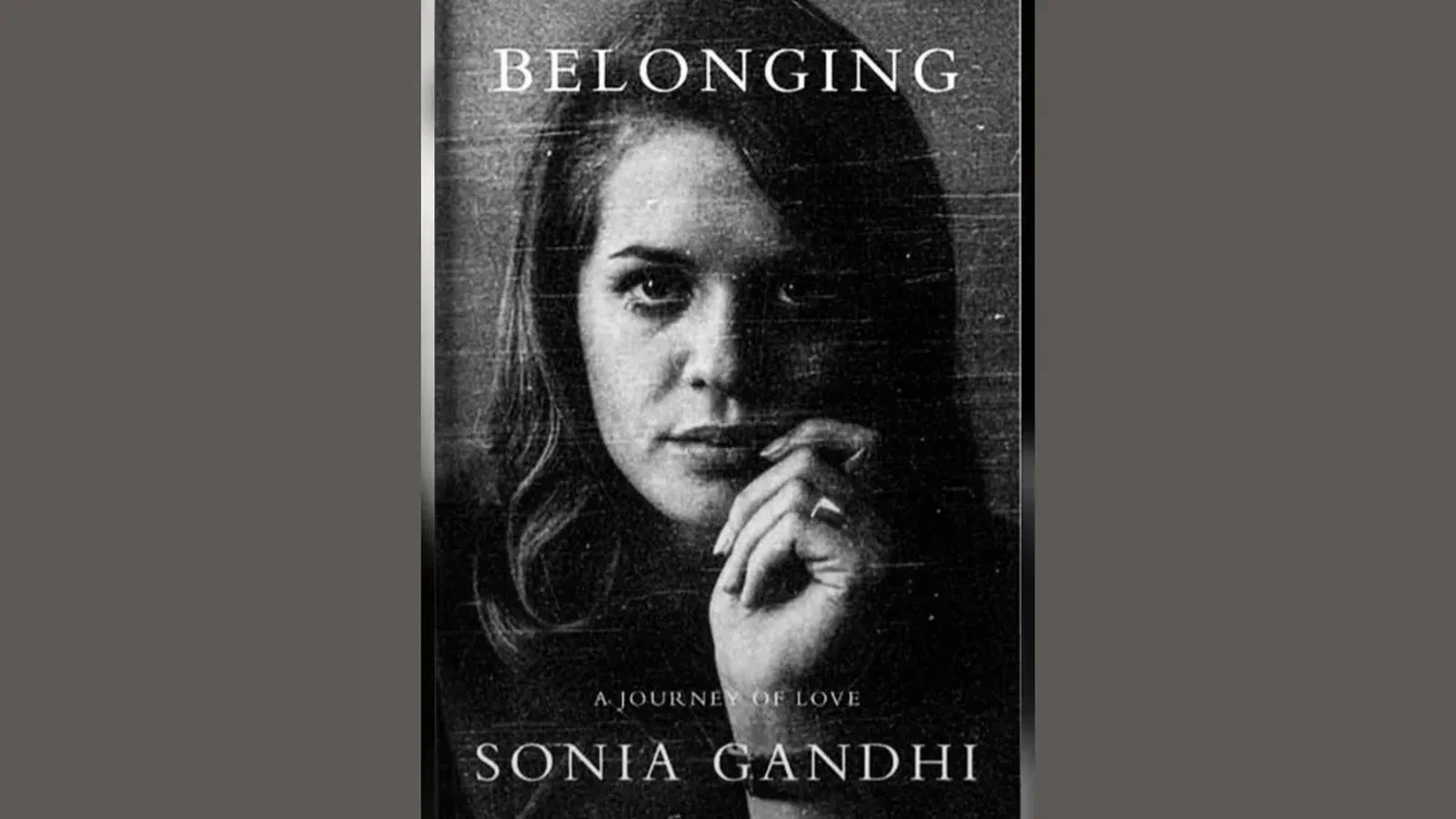
The initial interest in the book has extended beyond the Congress faithful, the editorial notes. That reach is itself noteworthy, suggesting that the memoir is being read as a personal and historical account rather than only as a political document. The editorial describes the memoir as generally well-written, and its interest lies in what it reveals about how India remembers its recent political past.
The editorial is careful to place the memoir in its historical context. The Emergency, the 1984 anti-Sikh violence, Bofors and other controversies remain part of the nation's historical record, it says. The BJP's charge that the book attempts to sanitise that legacy deserves examination, the editorial argues, but partisan denunciation is no substitute for evidence. A memoir's account of contested history should be tested against the record, not dismissed by slogan.
An interesting criticism has also come from Sharmistha Mukherjee, daughter of former President Pranab Mukherjee, the editorial notes. She questioned the writer's apparent surprise at her father's prime ministerial ambition, a detail that touches on one of the most discussed episodes in recent Congress history. The exchange shows how a memoir can reopen old questions even when it does not set out to settle them.
The memoir's release has also renewed discussion of how political families tell their own stories. A memoir by a central figure in a political family is both a personal record and a historical source, and readers will weigh its account against other records and recollections. The editorial's point is that such weighing should be done with evidence rather than with partisan reflex, whether the reflex is praise or denunciation.
Legacy and the present generation
The editorial's central argument is about inheritance. A family's historical legacy, however significant, does not automatically transfer political credibility to the present generation, and the difficulty of separating the two has shaped Indian politics for decades. The response to the memoir, in the editorial's reading, shows that difficulty at work: readers and critics alike keep measuring the present against the past.
The editorial also sounds a note of caution about what the book's reception proves. The response to the generally well-written memoir does not yet establish the existence of an independent constituency favouring her children, it says. Curiosity about a memoir is not the same as political support for a next generation, and the editorial warns against reading the book's reception as a verdict on the Congress's future.
The piece is an argument for treating the memoir as what it is: a personal account that invites examination, not a political manifesto and not a target for automatic denunciation. Its value lies in what it reveals about the family at the centre of modern Indian politics and about the country's unresolved relationship with political inheritance. Whether the memoir changes any minds, the editorial suggests, will depend on the evidence it offers and the honesty with which it is read.