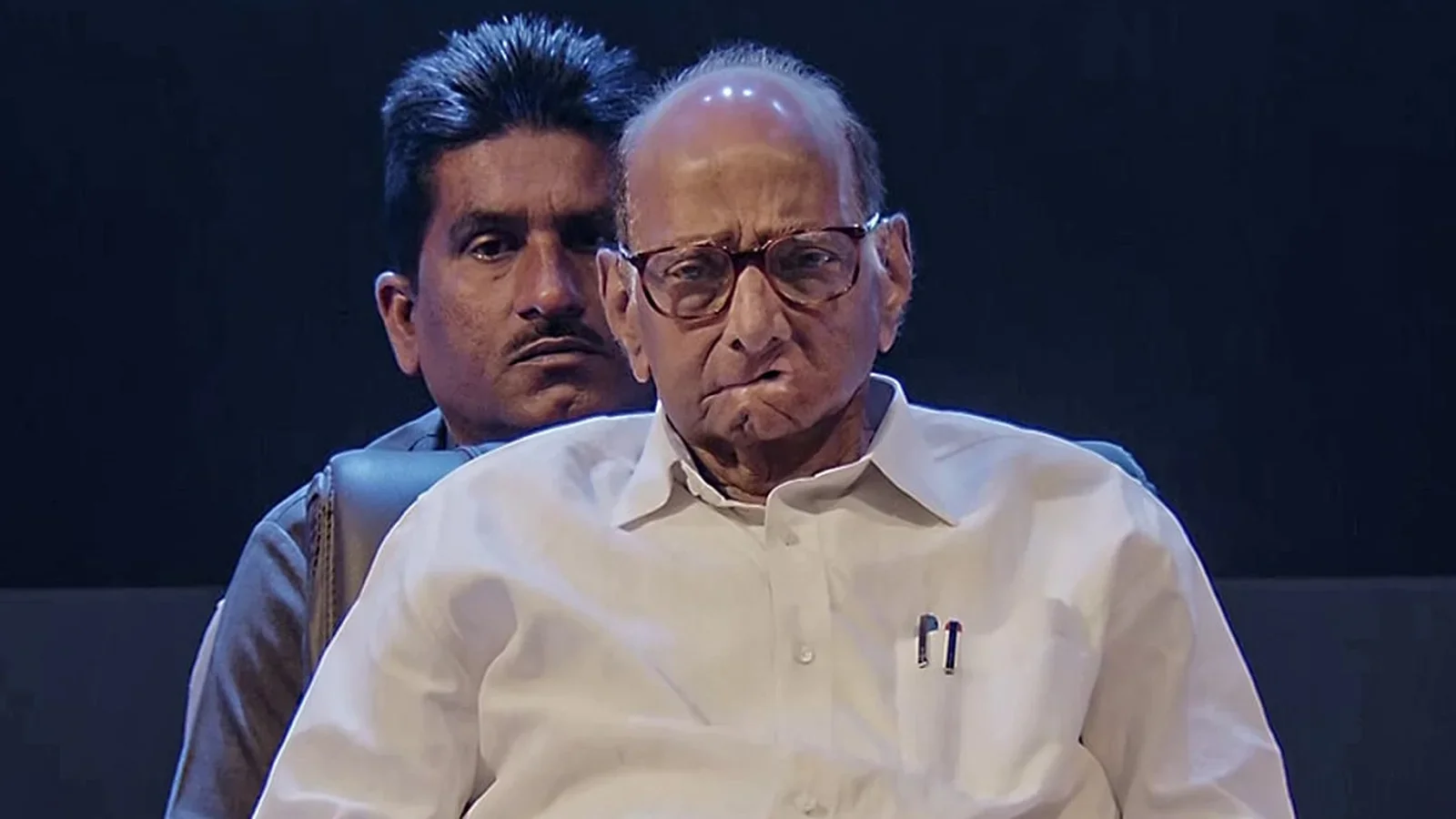
The editorial said that the merger of the two NCP factions has turned into a political drama, with no clarity over the intentions of the leaders involved. It stated that while a handful of leaders in Sharad Pawar's party might be aspiring to ministerial positions, it would be inappropriate for the veteran politician to sacrifice the political legacy and ideals he has nurtured over several decades to fulfil their ambitions.
The Saamana editorial likened the merger exercise to a political version of the Marathi phrase 'Dar Ughad Baye Dar Ughad', meaning 'Open the Door', saying that leaders from both sides keep knocking on each other's doors. The image captures the editorial's view of the talks as a performance without a clear purpose, in which the public spectacle has overtaken any substantive negotiation.
The editorial's warning was sharper in its companion coverage. Shiv Sena (UBT) dismissed the discourse around the merger as a ridiculous political game, arguing that these discussions have become a source of public mockery and are actively damaging the reputation of NCP (SP) leader Sharad Pawar. The party argued that the mere suggestion of such a merger creates unnecessary confusion and suspicion across Maharashtra.
Friction within the alliance
The editorial also highlights the internal friction within the Maha Vikas Aghadi and the broader INDIA bloc. The suggestion of a merger involving a faction aligned with the BJP has unsettled alliance partners, and the editorial urges Pawar to distance his party from factions aligned with the BJP to maintain his political standing.
The concern, as the editorial presents it, is about principles as much as about personalities. Pawar's legacy, built over several decades in Maharashtra politics, rests on a distinct political identity and a set of ideals. An arrangement driven by a handful of leaders seeking ministerial office would trade that legacy for short-term advantage, the editorial argues, and the cost would be borne by the party's standing and by the alliance it belongs to.
It is worth noting what the editorial does not establish. The merger talks remain speculation, and neither faction has confirmed agreed terms for a merger. The editorial is an intervention in that speculation, not a report of a concluded deal. Its purpose is to warn Pawar and his party against a course it regards as damaging, and to signal to alliance partners that Shiv Sena (UBT) views the speculation with alarm.
Whether the warning changes the course of the talks remains to be seen. For now, the editorial has made the debate public, and the question it poses, whether a merger is worth the legacy it would cost, is one the NCP (SP) leadership will have to answer.