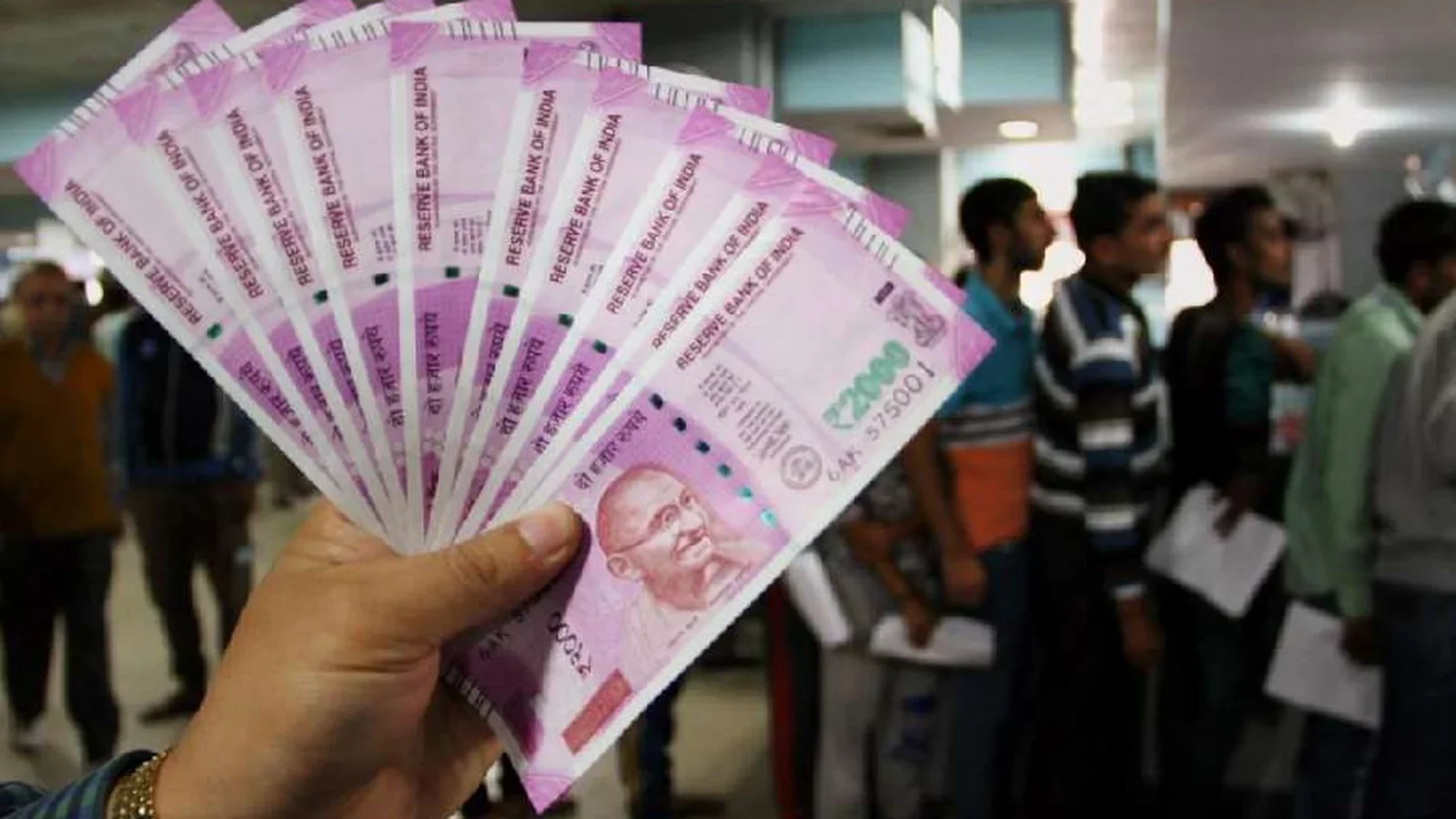
The justification offered at the time was sweeping: eradicate black money, eliminate counterfeit currency, curb terror financing and propel the country towards a less-cash economy. Ten years later, the editorial says, the more difficult task is establishing what this extraordinary intervention actually accomplished.
The first uncomfortable finding concerns the premise itself, the editorial argues. Of the Rs 15.42 lakh crore in demonetised currency, approximately 99.3 percent returned to the banking system. The anticipated windfall from unreturned illicit cash never materialised. If the exercise was designed to flush out black money held in cash, the return of almost all the currency suggests the premise did not hold in the way it was presented.
The editorial also points to the legal aftermath. In 2023, the Supreme Court upheld demonetisation by a 4:1 majority on the legal questions before it. Justice B.V. Nagarathna's dissent raised fundamental concerns about the decision-making process and Parliament's role. The court settled the legal questions, but the editorial's argument is that the policy questions remain open.
The missing assessment
The most troubling aspect, in the editorial's view, is the absence of a comprehensive official reckoning. The government's failure to publish a comprehensive assessment is difficult to reconcile with the scale of the disruption and the confidence with which the exercise was originally presented, the editorial says. A decision that affected every household in the country deserves a full accounting of its costs and benefits, measured against its stated aims.
The editorial is careful about what it is not calling for. A decade later, India needs neither another defence nor another denunciation of demonetisation, it says. The argument is for evidence, not for relitigating the politics of 2016. Supporters of the exercise point to the growth of digital payments and the expansion of the tax base in the years since, while critics point to the disruption to informal workers, small businesses and rural households that depended on cash. The editorial's position is that neither claim can be settled without the official assessment that has not been published.
The real measure of economic credibility, the editorial concludes, is not the willingness to take dramatic decisions, but the willingness to subject them to evidence, scrutiny and accountability. On that essential test, demonetisation remains an unfinished national reckoning.
The editorial's argument applies beyond a single policy. Governments that take large decisions owe the public a reckoning of what those decisions achieved, and the absence of one leaves the debate to be fought on assertion rather than evidence. Ten years on, the editorial says, that reckoning is still owed.