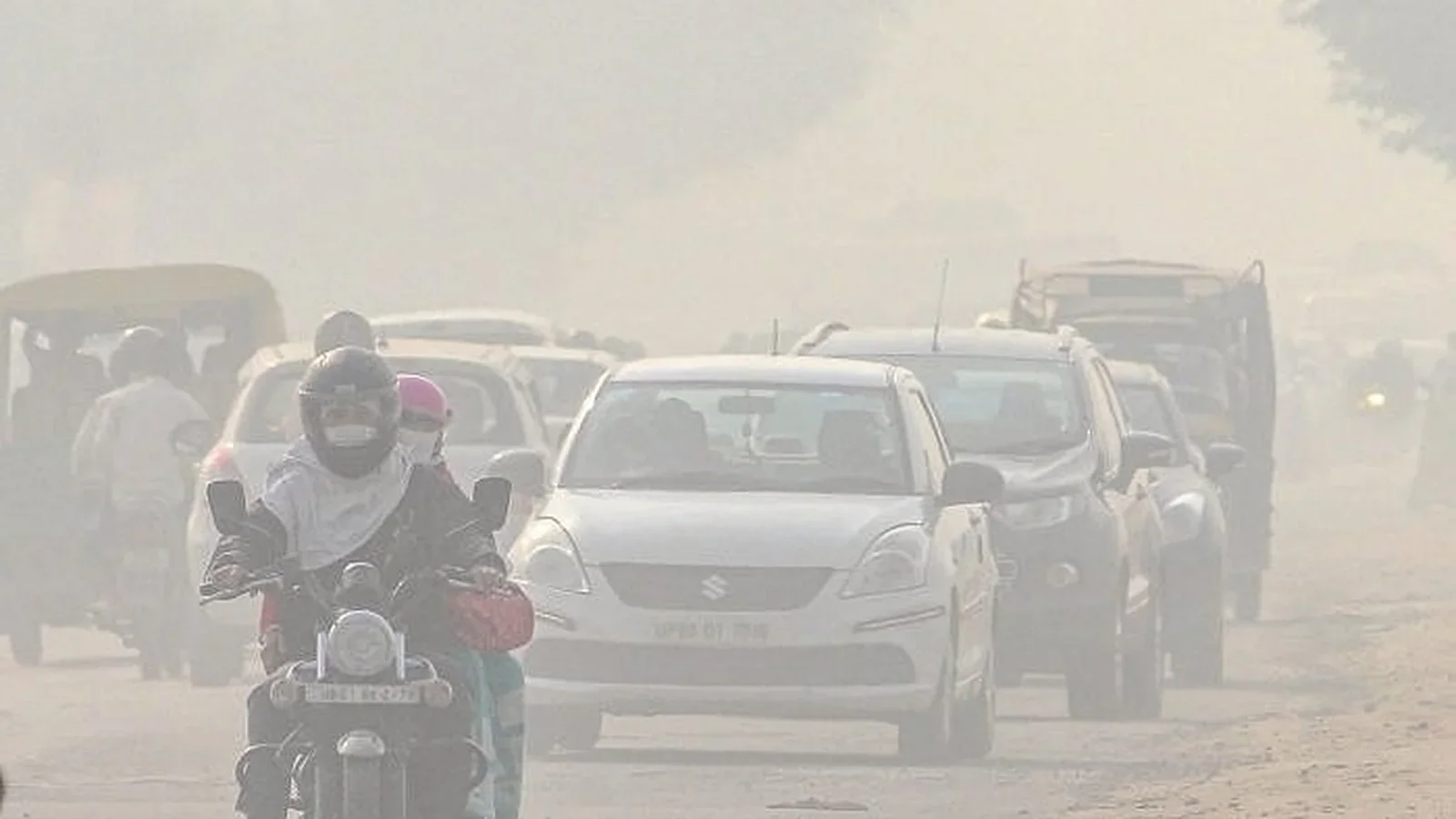
Bengaluru's pollution spiked during Deepavali, but the city appeared to escape the worst compared with other metros. Its average Air Quality Index stood at 133, in the moderate category, against Delhi's 376, in the very poor category, and Mumbai's 172, also moderate. On those figures alone, Bengaluru fared considerably better than the national capital.
The problem, the editorial points out, is what was not measured. Of Bengaluru's 14 continuous ambient air quality monitoring stations, six reported insufficient data during the crucial period. Under the Central Pollution Control Board's protocol, a station needs at least 16 hours of valid readings for a pollutant and data for at least three pollutants, one of which must be PM2.5 or PM10, to calculate overall AQI. Six stations failed to meet that standard when it mattered most.
The editorial notes that the Supreme Court directed pollution boards in 2018 to monitor air quality before, during and after Deepavali. Yet pre-festival audits and preventive maintenance appear to have been treated as routine formalities, the editorial says. When six stations fail to provide adequate data on Deepavali night, the Karnataka State Pollution Control Board must explain how it discharged its monitoring responsibilities.
What the gaps mean
The editorial's central argument is about measurement, not about ranking cities. If nearly half the monitoring stations in a city cannot produce valid readings during the year's worst pollution episode, the published average rests on incomplete data, and the true exposure of residents may have been worse than the official figure suggests. People making decisions about their health, whether to keep children indoors or to wear masks, rely on those readings.
The point carries weight beyond Bengaluru. Air quality monitoring networks across Indian cities face similar pressures during festival peaks, when the combination of firecrackers, weather and traffic pushes pollution to its highest levels of the year. A monitoring system that works in ordinary conditions but fails at the peak is of limited use for public health protection.
The editorial does not claim that Bengaluru's air was worse than Delhi's. The available data shows the capital's pollution far exceeded Bengaluru's. Its argument is narrower and more specific: that the gaps in Bengaluru's data mean the city's moderate reading should be treated with caution, and that the pollution control board owes the public an explanation for why so many stations failed at the critical moment.
The remedy the editorial implies is straightforward. Monitoring stations need pre-festival audits and preventive maintenance that are treated as serious obligations rather than formalities, so that the network holds up when pollution peaks. Without reliable measurement, neither the public nor policymakers can judge how bad the air really was, or what needs to change before the next festival season.