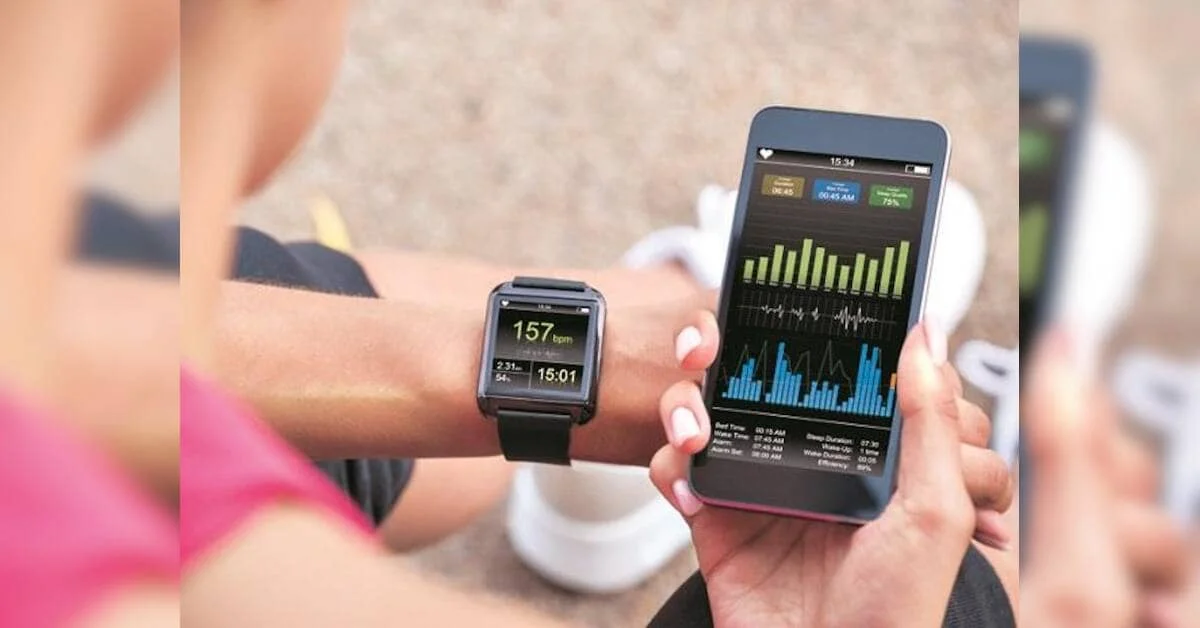
Indian consumers are increasingly taking charge of their health through everyday wellness, digital tools and new interventions, with nine in ten using health apps or wearable devices, according to PwC India's Voice of the Consumer 2026: India perspective report.
PwC presented the India edition of its annual Voice of the Consumer report on Tuesday, exploring how Indian consumers connect food, wellness and health. The survey covered 21,808 consumers across 27 countries and territories in February and March 2026, including 1,005 respondents across 15 states and two Union Territories in India.
Around 90 per cent of Indian respondents use health apps or wearables, compared with around 80 per cent globally, the report found. And 81 per cent of Indian consumers said they would pay more for wearable data trusted by healthcare professionals, compared with 65 per cent globally.
The report also found that 97 per cent of Indian respondents want to integrate nutrition, fitness, sleep and mental health into their long-term wellness routines.
Tracking every bite and every step
Nutrition awareness among Indian consumers is strong. More than half of Indian respondents regularly track their protein intake, 53 per cent, compared with just 35 per cent of global respondents. Half track their fibre intake and nearly half track calories, compared with 33 per cent globally for each.
Home cooking is also more common in India, with 42 per cent of respondents saying they always prepare their own meals, compared with 30 per cent globally.
Food safety matters as much as nutrition. The survey found 71 per cent of Indian respondents were very or extremely concerned about pesticides and 67 per cent about microplastics, compared with 46 per cent of global respondents.
Digital health goes mainstream
The study found 42 per cent of Indian consumers exercise daily, more than twice the global average of 19 per cent. But among Indian respondents with health and wellness goals, 67 per cent identified stress, fatigue or low energy as hurdles.
PwC said the opportunity for companies now lies in turning engagement and health data into useful insights and informed decisions, by connecting self-tracking with personalised guidance and ongoing support.
Adoption of GLP-1 weight-loss therapies in India is also higher than the global average, at 18 per cent against 10 per cent globally, the report found.
Food, trust and the road ahead
Looking ahead, 44 per cent of Indian respondents expect to considerably increase fresh produce consumption, while 24 per cent expect to increase dairy consumption and 19 per cent expect an increase in plant-based protein.
Longevity-focused foods, including high-protein and gut-health products, were the leading category among qualified buyers in India at 22 per cent, compared with 17 per cent globally.
The report identified five consumer segments: data-driven optimisers at 29 per cent, value-seeking optimisers at 21 per cent, social wellness seekers at 19 per cent, holistic harmonisers at 13 per cent and low-engagement consumers at 19 per cent.
PwC cautioned that the findings should not be treated as representative of all Indian consumers.