Indian food is having a moment on the world stage. A photograph from Diwali celebrations at the White House, featuring US President Donald Trump and chef Vikas Khanna, recently went viral. Khanna had already made headlines after being named among TIME magazine's 100 Most Influential People of 2026. Together, the two moments capture how Indian cuisine has travelled from home kitchens to the global table, finding new audiences in supermarkets, restaurants and cultural celebrations across the world.
The numbers back the story. India exported spices and spice products worth about 4.72 billion dollars in 2024-25, according to the Spices Board of India. Garam masala, curry leaves, cumin, asafoetida, pickles, papad and turmeric are now familiar sights in supermarkets abroad, alongside basmati rice, lentils, flour, sattu, ragi and jowar. The Michelin Guide now lists 21 restaurants under Indian cuisine in its starred selection, a mark of how far the food has travelled.
From corner shops to the global table
The journey began with migration. The Immigration and Nationality Act of 1965 opened new pathways for Indians to move to the United States, and food travelled with them. In 1974, brothers Mafat and Tulsi Patel opened the first Patel Brothers store in Chicago. The chain has now completed 52 years and runs more than 50 stores across the US. As the Indian workforce grew after the IT, BPO and Y2K boom, Indian grocery stores and restaurants grew with it, with familiar flavours helping new migrants fight homesickness.
Indian chefs have carried the cuisine further. Asma Khan's Darjeeling Express in London is known for its all-women kitchen of home cooks. Manish Mehrotra's Indian Accent offers contemporary interpretations of Indian food, while Gaggan Anand, Garima Arora's Gaa in Thailand and Himanshu Saini at Tresind Studio in Dubai have each brought distinct approaches to Indian flavours. Chefs such as Sanjeev Kapoor and Ranveer Brar have popularised the cuisine through television and the internet.
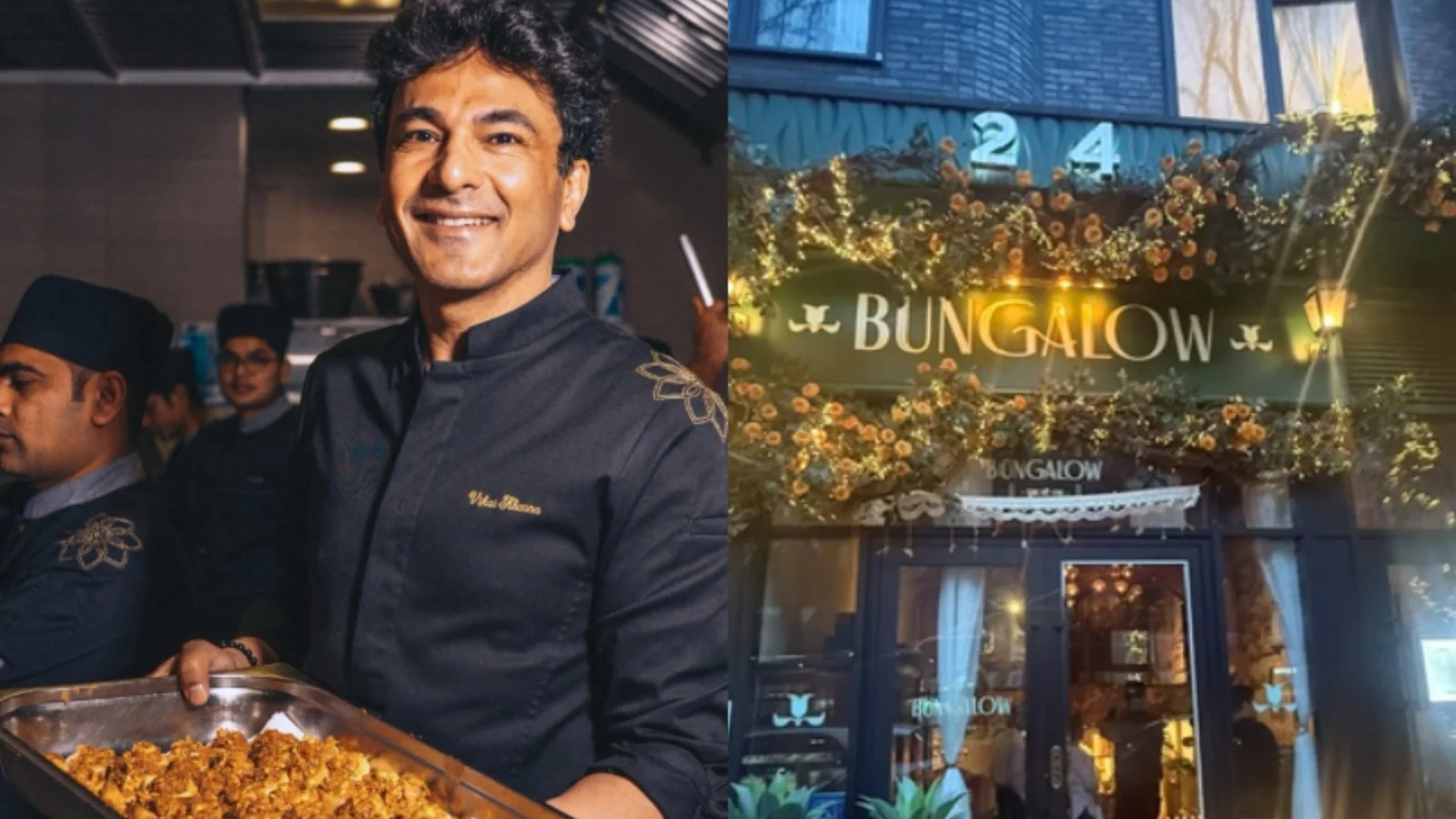
Khanna's own restaurant, Bungalow in New York, shows how the food is being presented now. Guests are greeted by a Konark wheel installation, floral rangolis, diyas and music, and the menu includes gulab jamun doughnuts and cardamom breads. Bungalow recently collaborated with New York's Kolkata Chai Co, pairing fusion dishes with fine Indian teas. Flowers such as rajnigandha and Kashmiri nargis bring Indian floral heritage into the dining room.
More than a meal
The spread of Indian food is also spreading Indian values of hospitality. The ethos of Atithi Devo Bhava, the guest is god, is practised in the personal attention given to guests, including elderly visitors and people with disabilities. Food has become an informal introduction to India at summits such as the G20 and BRICS, and former US President Bill Clinton's fondness for dal Bukhara once made headlines of its own. Even at the South Pole, the Indian research station Maitri serves piping-hot chole puri breakfasts and Sunday biryani, while Indian restaurants now operate in places as far apart as Tromso in Norway, Fairbanks in Alaska and Reykjavik in Iceland. As the United Nations marks 2026 as the International Year of the Woman Farmer, Indian cuisine has a chance to contribute to global conversations on food, sustainability and heritage in more meaningful ways.
**Q:** Why is Indian food gaining global attention now? A: A viral White House Diwali photograph featuring chef Vikas Khanna, his place on TIME's 100 Most Influential People of 2026 list, 21 Michelin-starred Indian restaurants and spice exports worth $4.72 billion have all put Indian cuisine in the spotlight. **Q:** What is Vikas Khanna's restaurant Bungalow? A: Bungalow is Khanna's New York restaurant, serving India-inspired dishes such as gulab jamun doughnuts and cardamom breads in a dining room decorated with a Konark wheel installation, floral rangolis and diyas. **Q:** How large are India's spice exports? A: India exported spices and spice products worth about $4.72 billion in 2024-25, according to the Spices Board of India.