The United States has proposed tariffs of up to 25 percent on goods imported from India, with the rate falling to 17 percent if New Delhi signs a trade agreement with Washington. The Office of the United States Trade Representative (USTR) unveiled the proposal on Wednesday, November 25, after an eight-month probe into what it calls structural excess industrial capacity. The proposal covers 14 trading partners, including China, the European Union, Japan and South Korea.
Under the proposal, Indian shipments face a 25 percent ceiling, net of existing Section 301 tariffs, with exemptions for certain products. The 17 percent rate applies if India signs an Agreement on Reciprocal Trade addressing the investigation's findings. The duties will not take effect immediately. The USTR will publish the proposal in the Federal Register, accept written comments until January 5, 2027, and hold public hearings from January 25, with final enforcement expected as early as January 2027.
The new duty will not stack on top of tariffs India already faces. It will not be added to the 10 percent tariff imposed in July 2026 after a separate Section 301 probe into forced-labour goods, or to standard most-favoured-nation rates. Where more than one measure covers the same goods, US customs will apply only the higher single rate. Generic pharmaceuticals, spices, tea, coffee and cashews have specific carve-outs, while steel, aluminium and automobiles remain governed separately under Section 232 national security duties.
What Washington alleges, and how New Delhi has responded
The USTR alleges that India has built excess capacity in steel, petrochemicals and solar power equipment, with solar module capacity at nearly three times domestic demand. India formally rejected the claims in April, and Commerce Minister Piyush Goyal has said India does not suffer from structural overcapacity. Officials said on Wednesday that New Delhi awaits the full findings before raising the issue with Washington. "Once we have clarity on the measures, we will take it up with our US counterparts. It will be a priority," a Commerce Ministry official said.
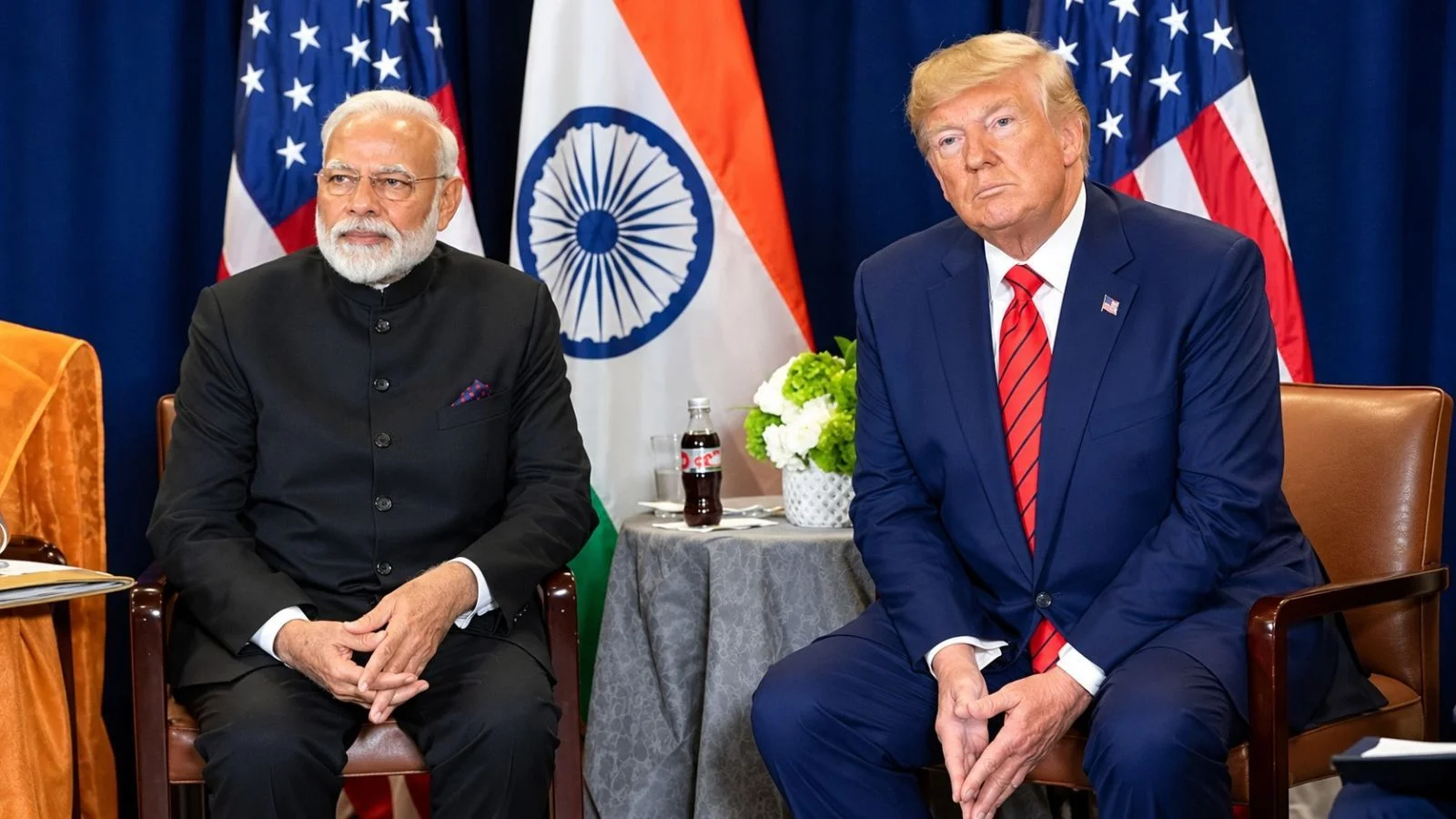
The proposal lands in the middle of trade deal talks. The two countries agreed an interim deal framework in February, with an 18 percent rate on most Indian goods, but the deal is still unsigned. Commerce Secretary Rajesh Agrawal said on November 18 that the deal could be signed only after the US finalises its tariff architecture. The new tariffs replace the reciprocal tariffs meant to form the deal's legal basis, after the US Supreme Court struck down President Donald Trump's sweeping emergency tariffs in February 2026. The Section 301 route, which follows a formal investigation, stands on firmer legal ground.
Other economies face steeper rates
Vietnam faces the highest proposed rate at 35 percent, falling to 20 percent with a trade deal. China faces a 20 percent duty that could double to 40 percent if it breaks commitments from the October 2025 Busan trade truce, and that duty stacks on 2018 tariffs, pushing effective rates as high as 65 percent. The European Union has a pegged working rate of 15 percent, with headroom to rise to 20 percent. In a separate action, the USTR also proposed additional tariffs on certain Brazilian goods, including aircraft.
The announcement comes weeks before the December G20 summit in Miami, where Trump is expected to host world leaders. A senior US official played down concerns that the tariff proposals would strain ties at the summit. For Indian exporters, the closest-watched sectors are pharmaceuticals, steel, solar equipment and information technology, and the next two months of comments and hearings will decide what exporters actually pay.