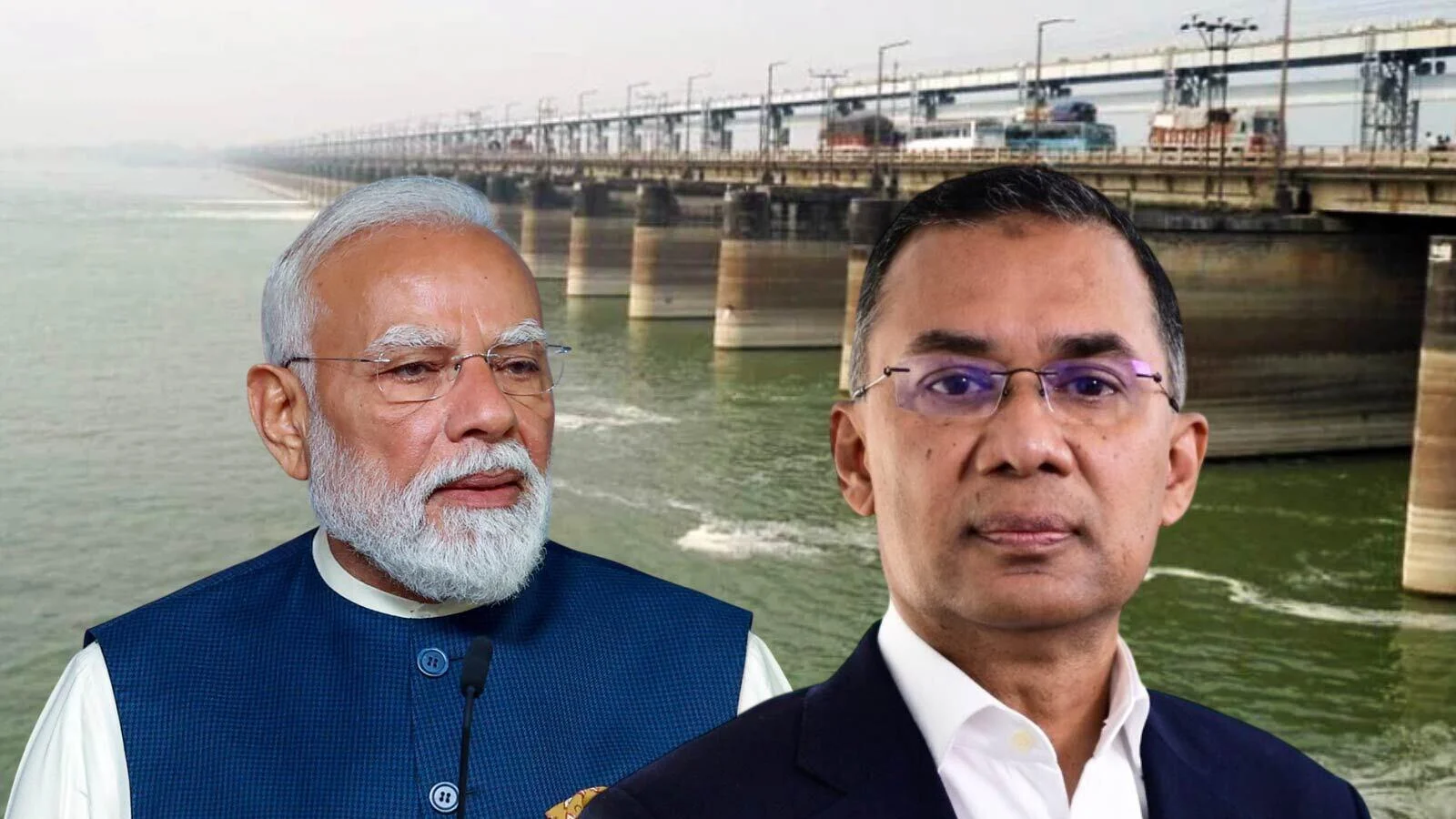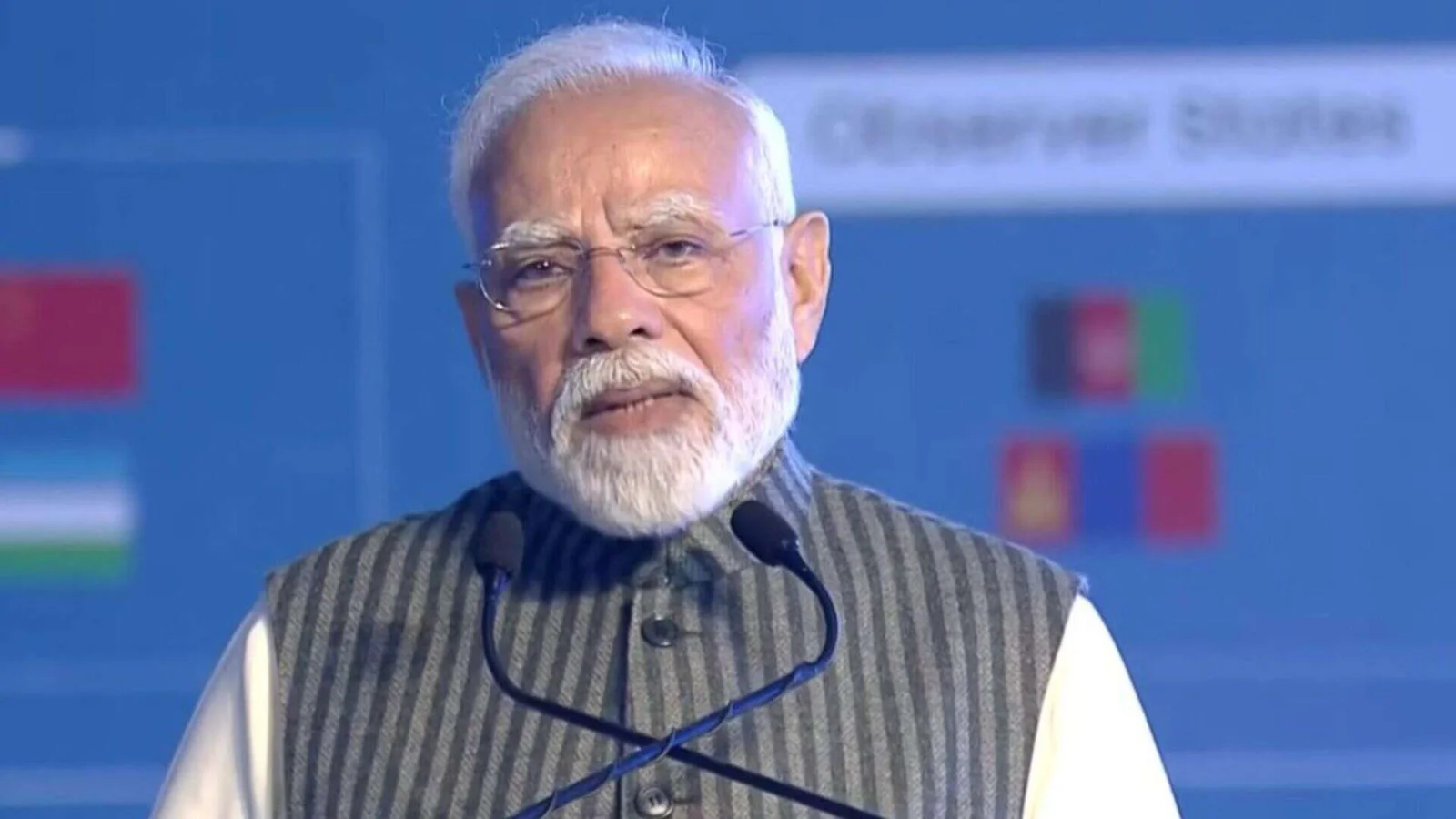
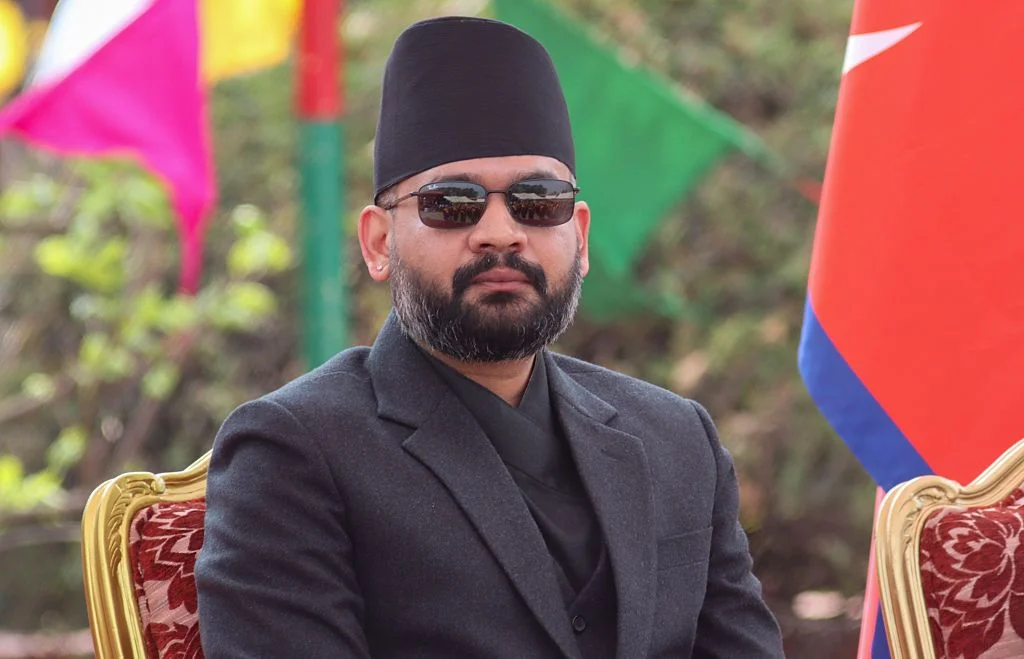
Nepal Prime Minister Balendra Shah arrived in New Delhi on Sunday for a two-day state visit, his first bilateral trip abroad since taking office in March. The visit, at the invitation of Prime Minister Narendra Modi, runs from November 22 to 23, with delegation-level talks between the two leaders scheduled for Monday.
Shah is accompanied by a 34-member delegation that includes Finance Minister Swarnim Wagle, Foreign Minister Shishir Khanal, Chief Adviser Kumar Byanjankar and other senior officials, along with businesspeople and journalists. He flew to New Delhi aboard a Nepal Airlines flight and is staying at the Taj Hotel, where External Affairs Minister S Jaishankar is scheduled to call on him on Sunday evening.
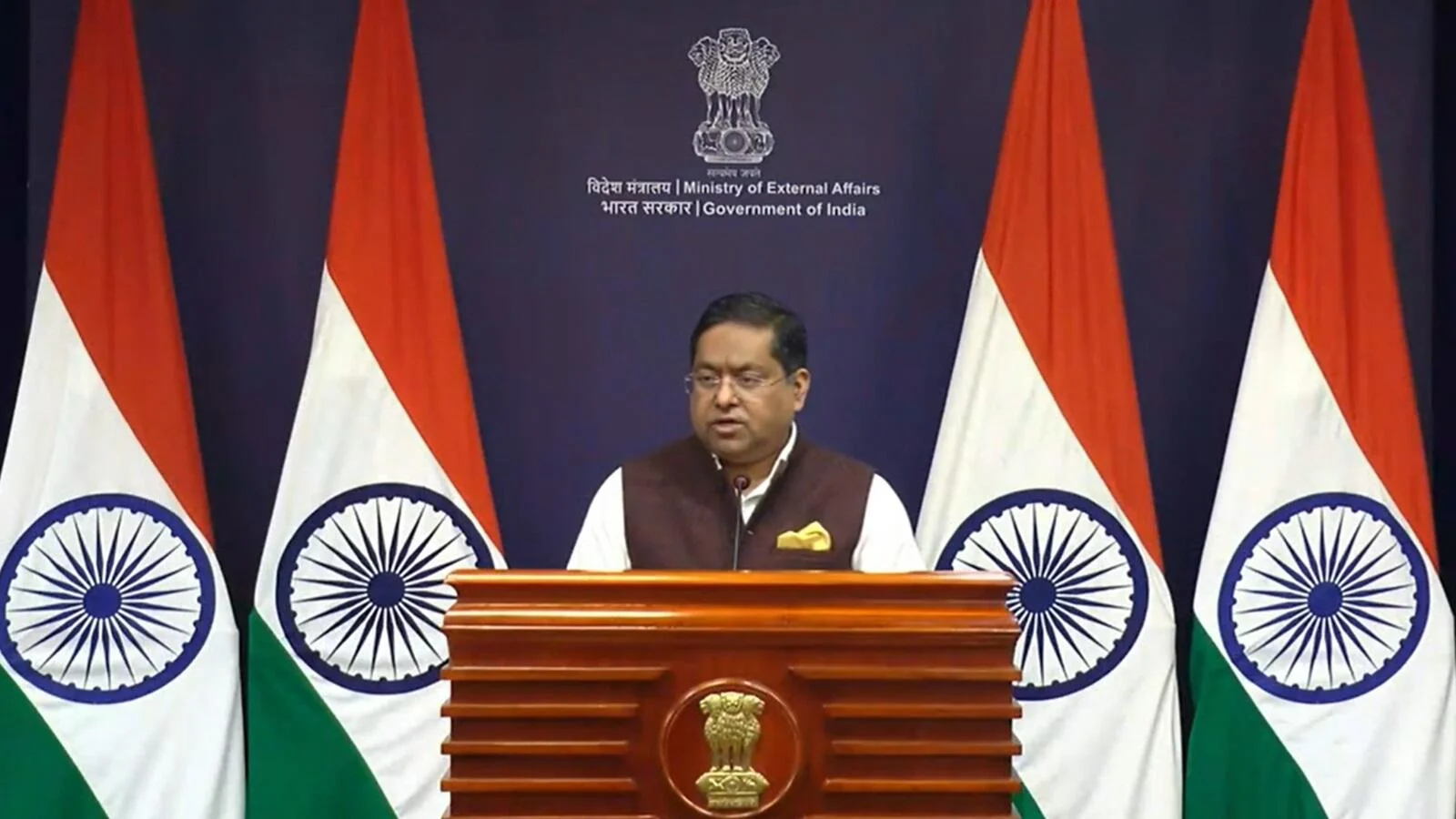
According to the Ministry of External Affairs, the visit will provide an opportunity to review the entire spectrum of India-Nepal relations and further strengthen bilateral cooperation across several sectors. During the visit Shah will call on President Droupadi Murmu and pay floral tributes at Mahatma Gandhi's memorial at Rajghat on Monday.
What is on the agenda for the Modi-Shah talks
The talks in New Delhi are expected to centre on three pillars of cooperation, DD India reported. The first is reconstruction: devastating floods in the Bhotekoshi region in August severely damaged roads, bridges and vital infrastructure, and a proposed $2 billion Indian assistance package for reconstruction and rehabilitation is a central item on the agenda.
The second is connectivity. Nepal is seeking additional air-entry routes through Indian airspace to boost international flight operations at its airports in Bhairahawa and Pokhara, where limited route access has so far kept major international carriers away. The third is energy and trade: Kathmandu aims to expand electricity exports to India and Bangladesh, building on New Delhi's long-term commitment to purchase 10,000 MW of power, while attracting fresh Indian investment in hydropower.
The two sides are also set to unveil a 10-point Joint Vision Document titled "Samriddha Nepal, Samunnat Bharat" (Prosperous Nepal, Developed India), designed to turn past pledges into measurable targets across trade, energy, education, healthcare and digital connectivity.
Railway, hydropower and pipeline projects on the table
Several infrastructure milestones are slated for launch during the visit, including the flagging-off of a cross-border train linking Ayodhya in India to Janakpur in Nepal, and foundation-stone ceremonies for the Lower Arun hydropower project and a cross-border oil pipeline from Siliguri to Jhapa. Memorandums of understanding on education, health, agriculture and energy are also expected to be signed, and a Nepal-India Business Forum discussion will take place during the visit.
Shah's schedule breaks with the pattern of his predecessors in several ways. The visit lasts only around 25 hours, he will remain in Delhi throughout rather than travelling to other Indian cities, and apart from Jaishankar he has no other ministerial meetings scheduled. He is due to return to Kathmandu on Monday evening.
Shah swept to power following the Gen-Z-led protests that toppled K P Sharma Oli's government, and his early diplomatic style, including meeting foreign ambassadors collectively rather than through individual courtesy calls, raised eyebrows in diplomatic circles. Opposition leaders in Nepal have urged him to use the visit to rebuild mutual trust and resolve longstanding bilateral issues.