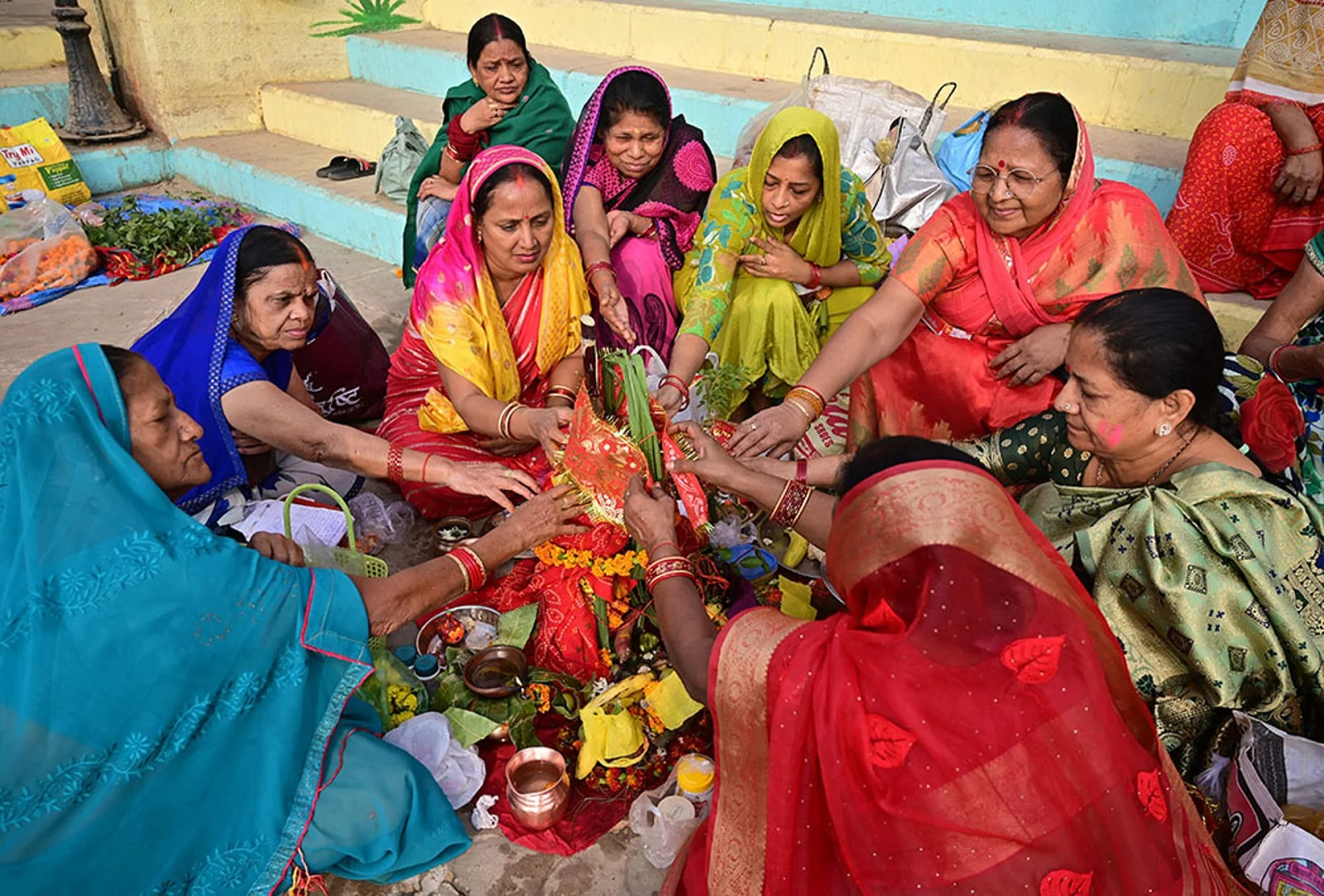
Dev Uthani Ekadashi, also known as Prabodhini Ekadashi, is being observed on Friday, November 20, 2026, across India. Devotees following the Smarta tradition are keeping the fast today, while those following the Vaishnava tradition will observe it on Saturday, November 21. The Ekadashi tithi began at 7:15 am on November 20 and ends at 6:31 am on November 21. In Prayagraj, devotees offered prayers in the Yamuna river and on its banks on Friday morning to mark the occasion.
The day falls on the eleventh day of the bright fortnight of the month of Kartik. It marks the end of Chaturmas, the four month period during which Lord Vishnu is believed to remain in divine sleep. His awakening is traditionally associated with the return of auspicious activities, including weddings and housewarming ceremonies, which many Hindu families avoid during Chaturmas. Devotees observe a fast, offer prayers to Lord Vishnu and Goddess Lakshmi, and perform special rituals through the day.
What the day marks, and why weddings resume now
According to Hindu belief, Lord Vishnu enters divine sleep on Devshayani Ekadashi, which falls in the month of Ashadha. The four months that follow, Shravan, Bhadrapada, Ashwin and Kartik, are known as Chaturmas. During this period, many families traditionally avoid major auspicious ceremonies such as weddings, engagements and housewarming rituals. Dev Uthani Ekadashi marks the awakening of Lord Vishnu, and with it the end of that pause. That is why the day is also called Prabodhini Ekadashi, from the idea of awakening, and why the wedding season is counted as beginning from this day. The first wedding muhurats of the season fall in the days that follow, and Tulsi Vivah, the symbolic first wedding of the season, is observed the next day.
How devotees observe the fast and the Tulsi Vivah
Devotees begin the day with an early bath and clean clothes, then clean the home temple and place an image or idol of Lord Vishnu or a Shaligram stone on a yellow cloth. Yellow flowers, Tulsi leaves, fruits and panchamrit are offered, a ghee lamp is lit, and Vishnu mantras are recited. The mantra Om Namo Bhagavate Vasudevaya is widely recited on the day. According to the panchang, the main puja muhurats on November 20 are Brahma Muhurta from 5:01 am to 5:54 am, Abhijit Muhurta from 11:45 am to 12:28 pm, Vijay Muhurta from 1:53 pm to 2:35 pm and Godhuli Muhurta from 5:26 pm to 5:52 pm. Lamps are lit near the Tulsi plant in the evening, and sugarcane, amla and seasonal fruits are included in the worship in several regions.
Tulsi Vivah will be celebrated on Saturday, November 21, 2026. The ceremony marks the symbolic wedding of Goddess Tulsi with Lord Vishnu in his Shaligram form or Lord Krishna. Dwadashi tithi begins at 6:31 am on November 21 and ends at 4:56 am on November 22. Many households decorate the Tulsi plant and its surroundings with flowers, rangoli and lamps before the rituals begin in the evening. Devotees observing the fast on November 20 under the Smarta tradition will break it on November 21. Published panchang timings for the parana window differ slightly by source, so devotees should check their local panchang for the exact time. Families following the Vaishnava tradition observe the fast on November 21 and break it on November 22.