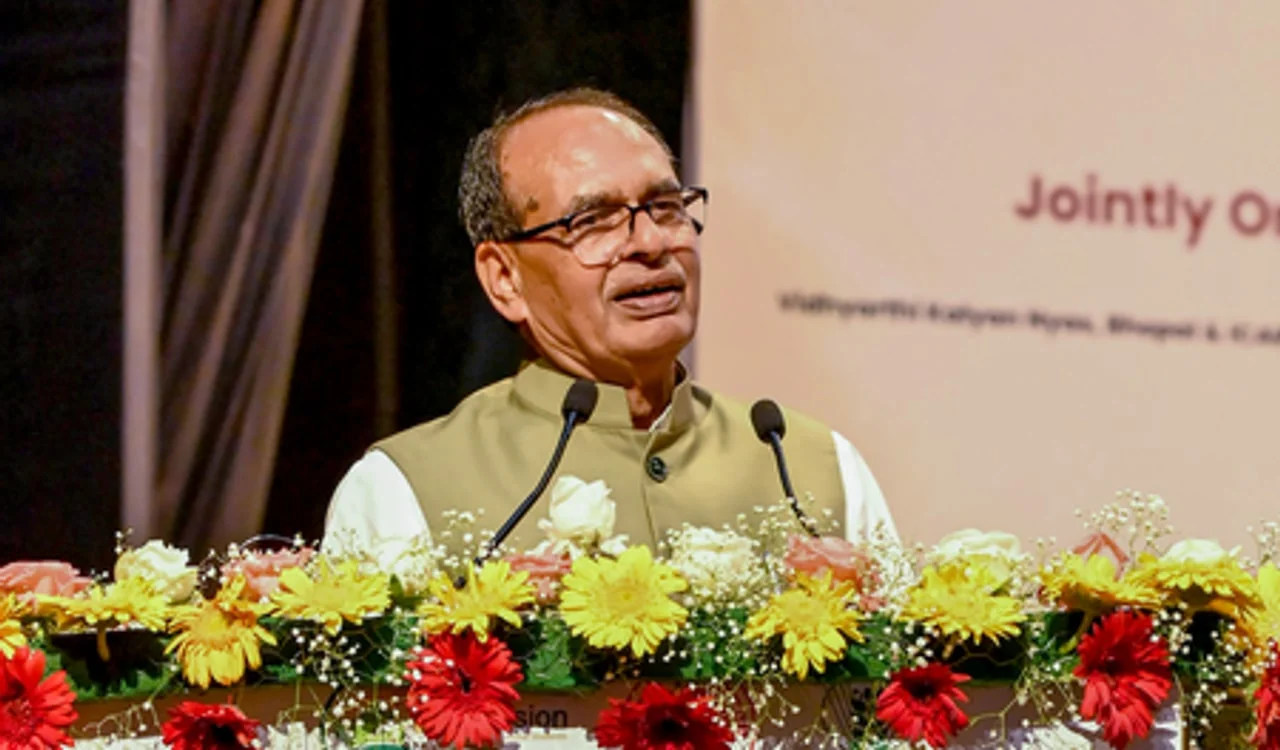
Union Agriculture Minister Shivraj Singh Chouhan dedicated India's first indigenous inactivated H5N1 bird flu vaccine for poultry to the nation on Friday, 20 November 2026, at the ICAR-National Institute of High Security Animal Diseases, known as ICAR-NIHSAD, in Bhopal. Scientists at the Bhopal institute developed the vaccine against highly pathogenic avian influenza, commonly called bird flu.
The vaccine targets the H5N1 Clade 2.3.2.1a strain, which is responsible for most bird flu outbreaks in chickens in India. Until now, no specific commercial vaccine was available to protect poultry against this circulating strain. An inactivated vaccine contains a virus that has been rendered non-infectious. When it is given, it exposes the chicken's immune system to viral components, helping it recognise the pathogen and build protection.
In experimental trials, the vaccine protected chickens for up to six months and prevented transmission to other chickens kept in contact with vaccinated birds. The institute said the vaccine met sterility, safety and efficacy standards in trials involving specific pathogen free layer and grower chickens. The technology is available for commercial production, particularly for use in layers and breeders. The team was led by Director Dr Aniket Sanyal, with team leader Dr S. Nagarajan and scientists Dr C. Tosh, Dr Manoj Kumar, Dr Yogesharadhya and Dr H. V. Murugkar.
Why bird flu matters for farmers
Highly pathogenic avian influenza can kill large numbers of chickens, force mass culling and disrupt chicken and egg supplies. Since the first reported case in India in 2006, the country has recorded more than 500 outbreaks involving the H5N1 and H5N8 subtypes. The 2006 outbreak alone caused estimated direct and indirect losses of Rs 2,200 crore to Rs 3,000 crore. Officials estimate that a major outbreak could reduce India's GDP growth by 1.5 per cent and put more than 20 per cent of the nation's poultry population at risk.
The stakes are high because poultry is a large part of rural livelihoods. India's poultry industry was valued at around Rs 2.636 lakh crore in 2025. The country is the world's second largest egg producer and fourth largest broiler producer. The sector supports more than 60 lakh small and medium farmers and around 30 lakh rural households engaged in backyard poultry farming.
Human health risk and what comes next
Bird flu is not only an animal health issue. According to the World Health Organization, 1,003 human cases of H5N1 avian influenza, resulting in 479 deaths, have been reported across 25 countries, including India, since 2003. A joint assessment published in May 2026 by the World Health Organization, the Food and Agriculture Organization and the World Organisation for Animal Health rated the risk to the general public as low, but noted a higher risk for people who work closely with infected animals.
ICAR-NIHSAD's indigenous vaccine fills a critical gap by helping to protect poultry from the circulating strain, reducing economic losses for farmers and limiting the virus's transmission from chickens to other animals and humans. Details about its commercial availability, pricing and vaccination schedule are yet to be announced. Experts also note that vaccination alone cannot end outbreaks, and it must work alongside disease surveillance, early testing, farm level biosecurity and quick reporting of unusual bird deaths.