The Commission for Air Quality Management revoked Stage III of the Graded Response Action Plan in Delhi-NCR on Tuesday, after the daily average air quality index fell to 204, ten days after the curbs were imposed a day before Diwali.
In a post on X, the Commission said its sub-committee on GRAP had decided to revoke Stage III as the daily AQI showed a downward trend, reaching 204 on Tuesday. All actions under GRAP Stages 1 and 2, and the restrictions under its order of 30 October, will remain in force.
With Stage III lifted, the ban on BS-III petrol and BS-IV diesel four-wheelers in Delhi and the districts of Gurugram, Faridabad, Sonipat, Ghaziabad and Gautam Buddha Nagar now ends. The hybrid learning mandate for classes up to grade 5 and the Stage 3 construction curbs are also withdrawn.
The Delhi government's fixed-time winter measures will continue, including a ban on dust-generating demolition and outdoor construction, a ban on non-Delhi vehicles below BS-VI norms, mandatory 50 percent work from home in government and private offices, and doubled parking charges at authorised sites. The measures run from 1 November to 31 January, except the doubled parking rates, which stay till 28 February.
GRAP-3 was imposed a day before Diwali
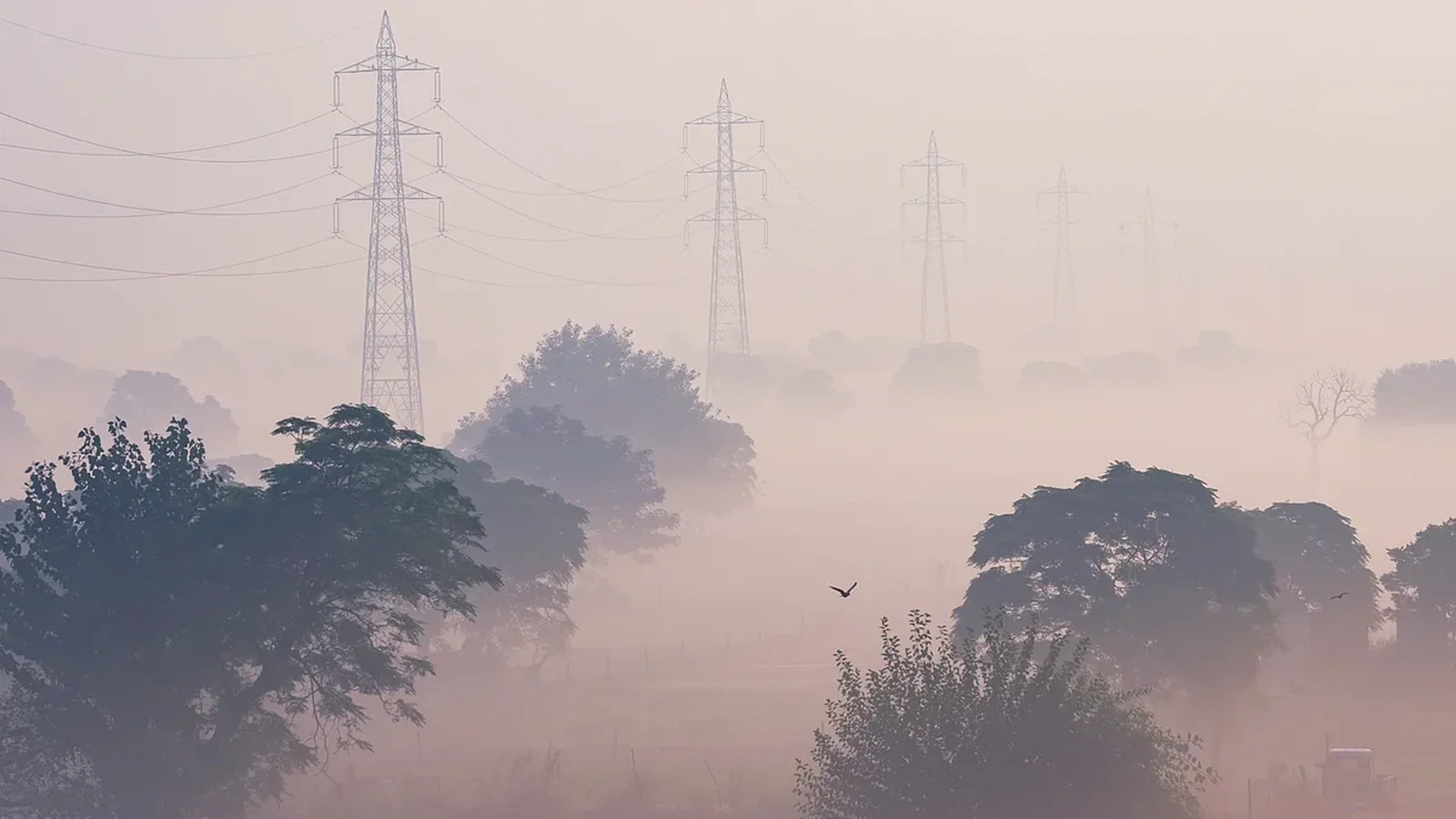
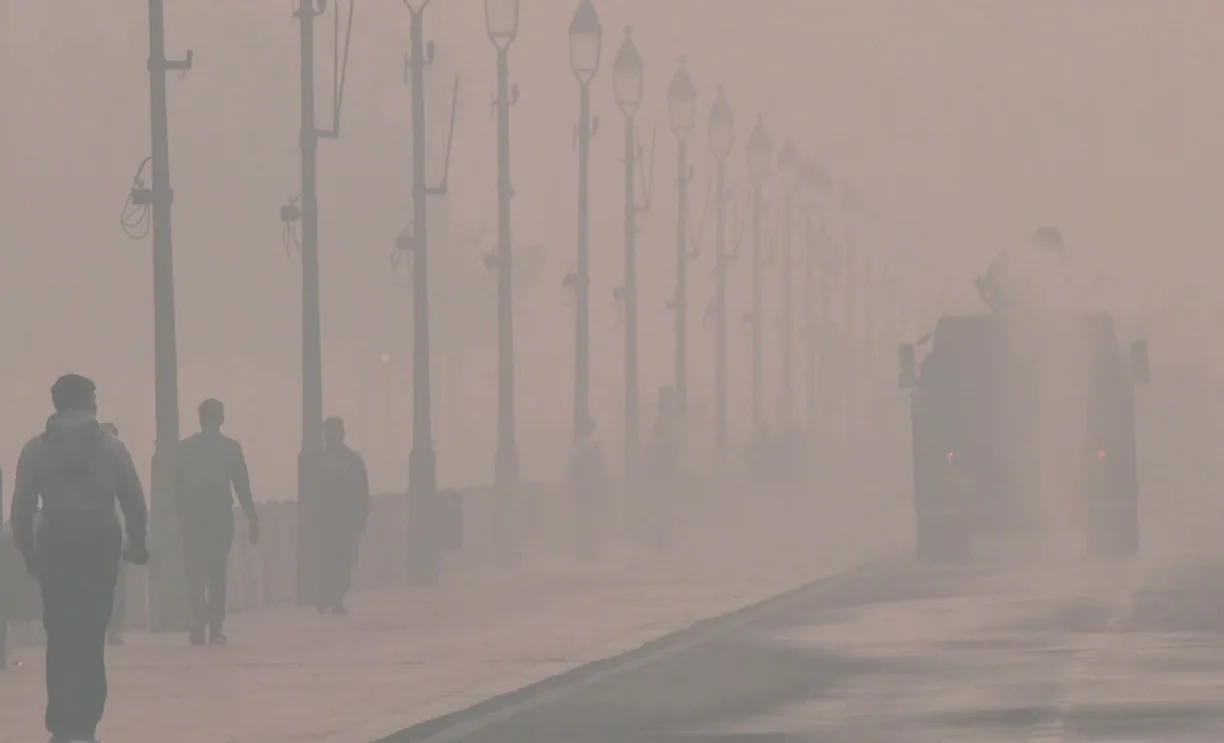
GRAP Stage III was invoked on 7 November, a day before Diwali, as air quality across Delhi and the National Capital Region plummeted and pollution stayed above 400. The weather department had pointed to adverse conditions, including calm winds, changing wind direction and rising moisture in the lower atmosphere, which stopped pollutants from dispersing.
The daily average AQI stood at 376 on Diwali day, 8 November, and at 368 to 371 on 9 November, with many areas crossing 400. It fell to 299 on 10 November, then to 131 on 14 November and 136 on 15 November, before rising to 221 on 16 November. Tuesday's reading of 204, in the poor category, was the lowest for the capital this month.
Tuesday also brought the season's coldest morning so far, with the minimum temperature settling at 14.8 degrees Celsius.
What the pollution watchdog ordered
Under its order of 30 October, the Commission had directed additional restrictions from 5 to 20 November, including curbs on dust-generating demolition and outdoor construction across the region. Projects related to Railways, Metro services, airports, inter-state bus terminals, hospitals, water supply and sanitation, national security and defence, and other projects of national importance were exempted.
The Commission has also raised concerns over heavy traffic congestion at Sarojini Nagar Market, Sadar Bazar and Lala Lajpat Rai Market, saying it adds to the pollution load. Its chairperson Rajesh Verma met senior officials of the Delhi government, Delhi Police, the Municipal Corporation of Delhi and the New Delhi Municipal Council to discuss corrective steps.
Officials were directed to carry out checks at petrol pumps to enforce the No PUCC, No Fuel order, to clean markets and streets every day in the early morning, and to bring biomass and waste burning to a complete halt. The Commission said it would deploy flying squads to inspect implementation and act against officials if it found laxity.
The Commission noted that an assessment of daily AQI data from November between 2018 and 2025 showed Delhi-NCR repeatedly witnessing high pollution in the early and middle parts of the month, with the AQI reaching the severe and severe-plus categories on some days. It said timely intervention is needed to cut emissions at source before pollutants accumulate.