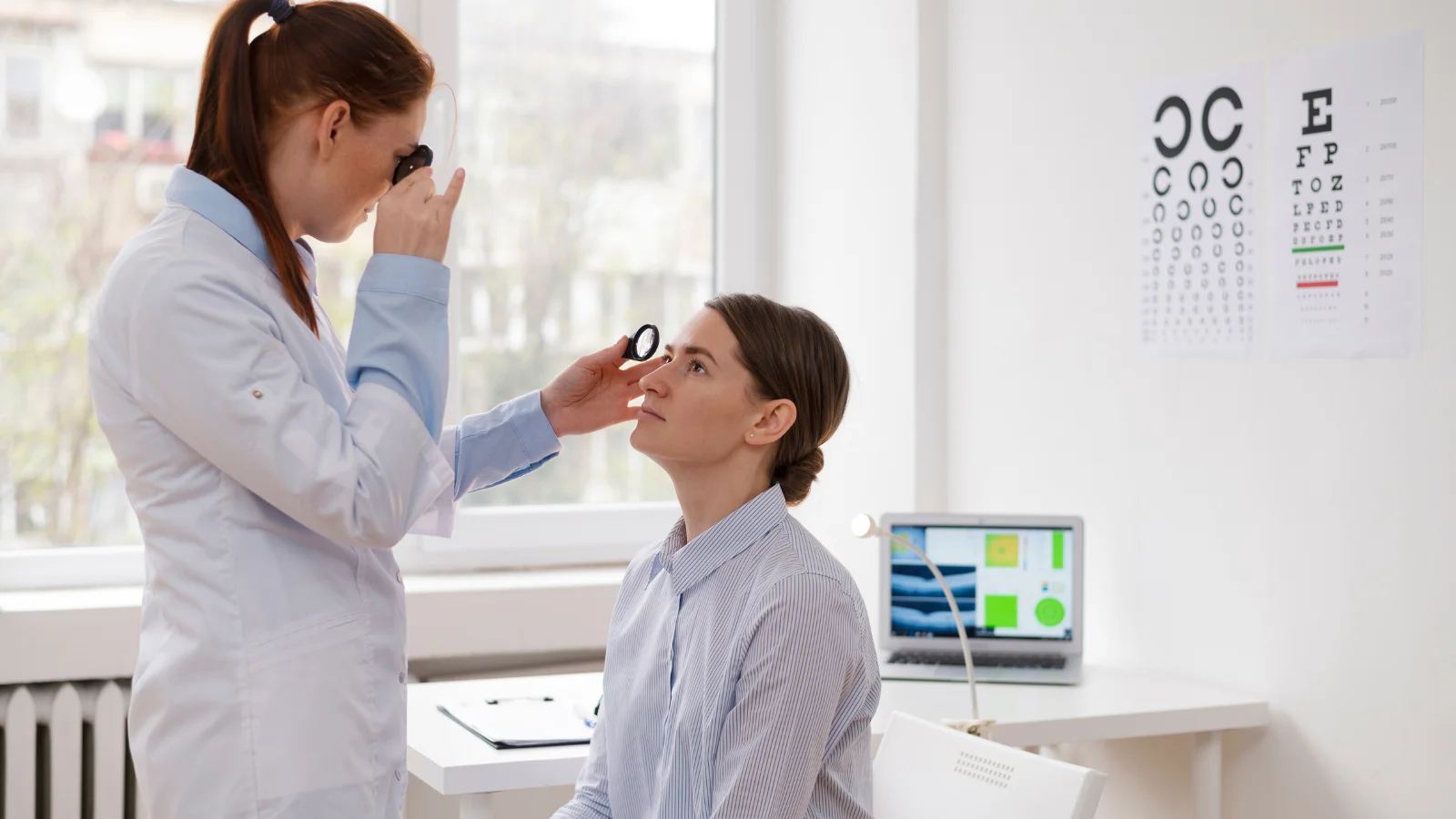
Fading vision in adults is usually blamed on age or a changed glasses prescription, but some signs point to serious disease. That is the warning from eye doctors, including Dr Tushar Grover, medical director of Vision Eye Centre.
Many adults put off an eye check because the change feels gradual. Vision gets a little worse, glasses get a little stronger, and life goes on. The problem is that some eye diseases do not announce themselves with pain, and by the time the change is obvious, damage may already be done.
Sudden vision loss in one eye
Sudden vision loss in one eye is one of the clearest warning signs. It can signal a blocked blood vessel in the retina or a problem with the optic nerve. Either way, it is not something to wait out. Sudden loss of vision needs an eye doctor the same day.
Floaters, flashes and a curtain over vision
A sudden rush of new floaters, flashes of light, or a feeling that a curtain is closing over part of the vision can mean a retinal tear or detachment. This needs treatment within hours, not days. Waiting can turn a treatable tear into permanent vision loss.
Painless loss of side vision
Painless, unnoticed loss of side vision is a main sign of glaucoma. In glaucoma, rising pressure inside the eye slowly damages the optic nerve, and the loss of side vision happens so gradually that most people do not notice it until it is advanced.
Straight lines looking wavy, or a dark spot in the centre of vision, can point to the macula and macular degeneration. The macula is the part of the retina that handles sharp central vision, so damage there affects reading and recognising faces.
A red eye with blurred vision, halos around lights, severe headache and nausea can mean a sudden dangerous rise in eye pressure. This is an emergency, and it needs treatment at once.
Glaucoma and diabetic retinopathy often advance silently, with no pain and no obvious change in the early stages. That is why a full eye check at least once a year is advised, even when vision seems fine.
The message from eye doctors is simple. Do not treat every change in vision as a matter of new glasses. If vision changes suddenly, if side vision narrows, if lines look wavy or a dark spot appears, get checked promptly. An annual eye check can catch problems while they are still treatable.