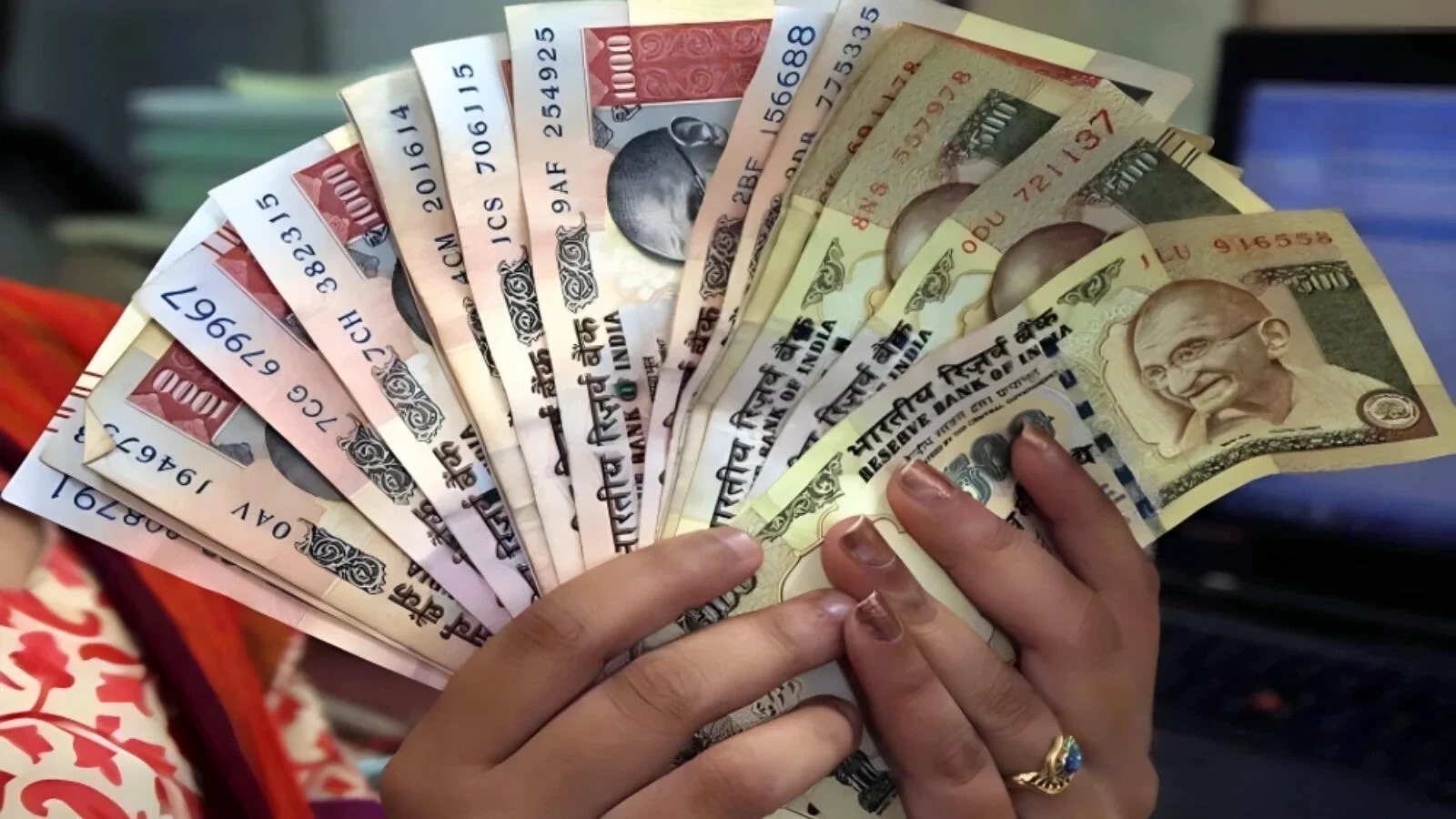
8 November 2026 marks 10 years since Prime Minister Narendra Modi announced on the night of 8 November 2016 that old Rs 500 and Rs 1,000 notes would cease to be legal tender. About 86 percent of the value of currency in circulation was withdrawn at one stroke. The stated aims were black money, corruption, fake notes and terror funding, along with more digital payments and more taxpayers.
The Reserve Bank of India's annual report for 2017-18 showed that of Rs 15.42 lakh crore of notes withdrawn, Rs 15.31 lakh crore, about 99.3 percent, returned to the banking system. That raised questions about the aim of destroying black money held as cash.
Cash in circulation fell to Rs 13.10 lakh crore in March 2017, crossed the pre-demonetisation level by March 2018, and reached Rs 41.24 lakh crore by March 2026. Dependence on cash has not ended despite the growth of digital payments.
The digital surge
UPI tells the other side of the story. There were about 20 lakh UPI transactions in December 2016, and about 24.07 billion in September 2026. In FY2025-26 there were 24,162 crore UPI transactions worth about Rs 314 lakh crore. As many as 741 banks were on UPI by July 2026.
Fake notes have not gone away. RBI data shows 1,41,907 fake new-design Rs 500 notes were detected in FY2025-26, up from 1,17,722 in 2024-25, a rise of about 20.5 percent.
The cost of printing notes rose sharply in the year of demonetisation, from Rs 3,421 crore in FY2015-16 to Rs 7,965 crore in FY2016-17.
The human cost
The impact on small business and workers was severe. Sales were hit, farmers struggled to buy seed and fertiliser, and daily-wage workers faced work and payment problems. The Azim Premji University report, State of Working India, found that at least 50 lakh people's employment opportunities were affected and at least 33 deaths were linked to the note-exchange process. The Economic Survey of 2016-17 estimated real GDP growth could fall by 0.25-0.5 percent.
The Rs 2,000 notes introduced after demonetisation were withdrawn from circulation by the RBI in May 2023, though their legal tender status was not removed.
More taxpayers, more tax
Income-tax return filers rose steadily. According to the Central Board of Direct Taxes, there were 3.51 crore filers in FY2014-15, 3.90 crore in 2015-16, 4.47 crore in 2016-17, 5.45 crore in 2017-18, 6.33 crore in 2018-19 and 8.56 crore in 2024-25. Not all ITR filers pay tax.
Direct tax collection rose from Rs 6.95 lakh crore in FY2014-15 to Rs 22.26 lakh crore in 2024-25. The direct tax-to-GDP ratio rose from 5.55 percent in 2014-15 to 6.73 percent in 2024-25. Net direct tax collection was up 13.21 percent to Rs 13.38 lakh crore till 14 October in FY2026-27. The source itself notes the rise cannot be credited to demonetisation alone, since GST and tax administration reforms also mattered.
Follow-up steps included Operation Clean Money from 31 January 2017 and the Pradhan Mantri Garib Kalyan Yojana from 17 December 2016 to 31 March 2017. Then finance minister Arun Jaitley said in 2018 that the aim was to move from a non-tax-paying to a tax-paying economy.
India had demonetised before. In January 1946, under British rule, Rs 500, Rs 1,000 and Rs 10,000 notes were withdrawn. On 16 January 1978, the Morarji Desai government withdrew Rs 1,000, Rs 5,000 and Rs 10,000 notes.