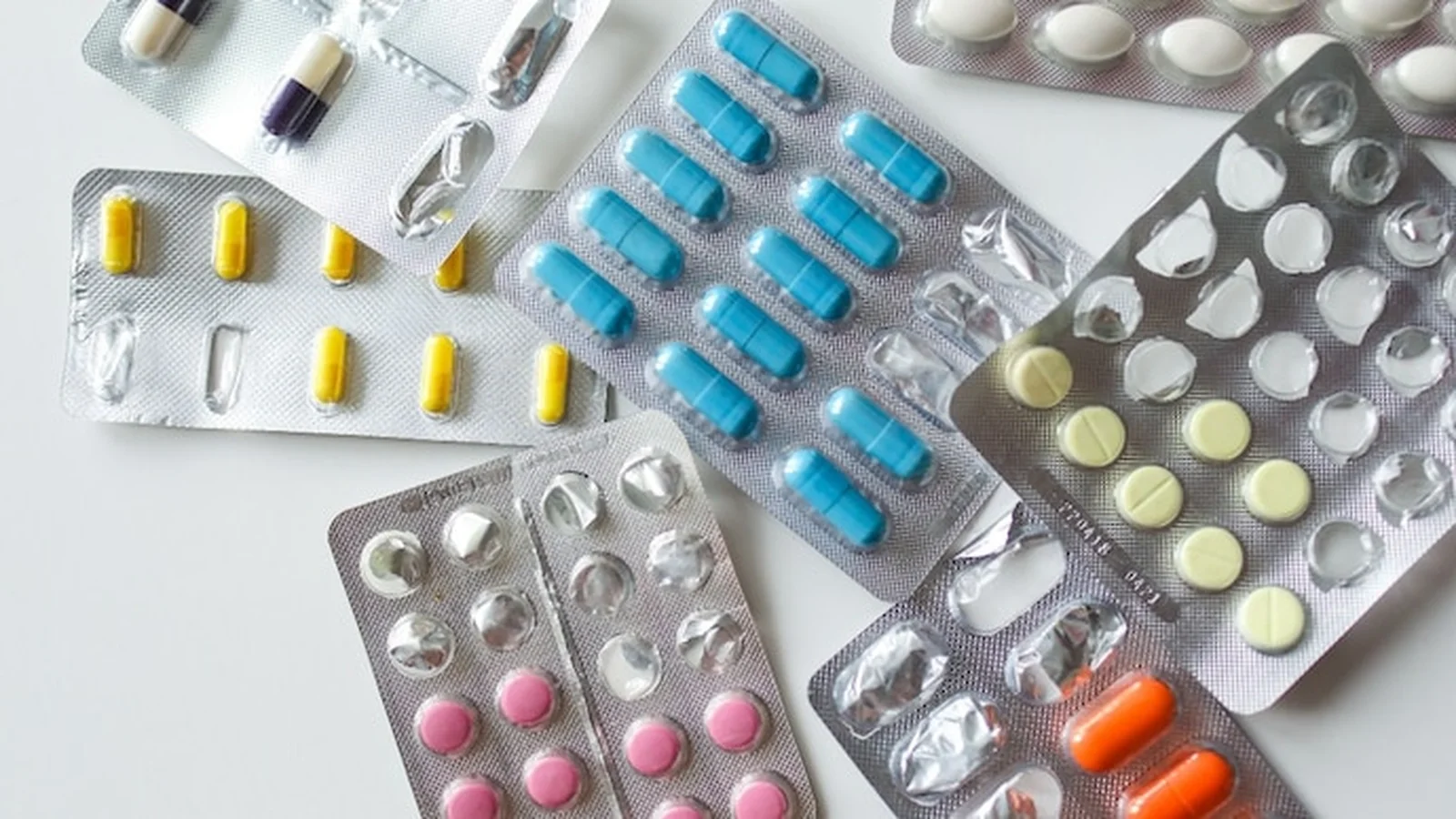
Starting 9 November, prices for 137 anti-cancer drugs across various brands will drop significantly after the government capped trade margins. The move is expected to generate an estimated annual savings of Rs 3,502.31 crore for consumers. The National Pharmaceutical Pricing Authority, or NPPA, enforced the trade margin caps across the 137 targeted cancer medications.
What the margin cap does
The NPPA, under the Department of Pharmaceuticals, notified the expanded trade margin rationalisation measure on 17 October 2026, under Paragraph 19 of the Drugs (Prices Control) Order, 2013. The order covers formulations containing any of the 137 specified non-scheduled anti-cancer drugs, including patented medicines.
The decision follows recommendations issued on 17 October by an expert committee formed under the Directorate General of Health Services. The cap applies to the maximum retail price excluding goods and services tax. It targets the difference between the prices charged to distributors or stockists and the maximum retail price billed to patients.
Identified medicines include immunotherapies used to treat more than 20 types of cancer, denosumab for certain breast and prostate cancer indications, pegfilgrastim to prevent neutropenia in cancer patients, and bevacizumab for cancers including colorectal, ovarian and cervical cancer. The list also includes widely used therapies such as pembrolizumab, durvalumab and osimertinib.
How much prices will fall
To date, 76 pharmaceutical companies have turned in revised MRPs for 1,225 formulations across 121 drugs. Price reductions apply to 1,031 of these formulations, with 600 brands reporting cuts exceeding 50 percent and the steepest decline reaching 96.45 percent.
Price capping delivers sharp reductions in specific cases. Palbopro, a breast cancer capsule by RPG Life Sciences containing palbociclib 125 mg, has been reduced from Rs 40,421.33 to Rs 2,720. Abirone, a prostate cancer tablet by Arvincare Pharma containing abiraterone acetate 250 mg, has been cut from Rs 41,250 to Rs 3,218.23.
Bryxta, a bevacizumab 100 mg injection by Zydus Lifesciences used for lung and cervical cancer, has been lowered from Rs 25,995 to Rs 3,318. DenOsteoRel, a denosumab 60 mg injection by Reliance Life Sciences, has dropped from Rs 24,955 to Rs 6,240. Lupiher 2, a pertuzumab 420 mg breast cancer injection by Lupin Limited, has been reduced from Rs 83,520 to Rs 37,358.30.
Not every drug gets cheaper
Samtepa will fall from Rs 80,071.86 to Rs 7,150.33 for a vial containing 100 mg, saving about 91.1 percent. Hertumab, containing pertuzumab for certain breast cancers, falls from Rs 94,951 to Rs 30,593 per vial.
Keytruda remains Rs 216,000 for a vial containing 100 mg. Patients should check the price of the specific medicine rather than assuming every brand has fallen.
The government expects the measure to reduce the MRPs of the identified medicines by up to 70 percent, depending on their existing price structures. A separate estimate in the NPPA's own material put expected annual savings at Rs 2,500 crore, while the ministry's release put it at Rs 3,502.31 crore. The projected savings are a government estimate, not an amount already saved.
How patients can check prices
Consumers can track updated rates through the NPPA portal or the Pharma Sahi Daam app and report violations through designated helplines. Retailers, dealers and hospitals must prominently display the revised price lists on their premises and websites, with State Drug Controllers tasked with monitoring compliance.
Manufacturers must submit the revised MRP information to NPPA and the concerned state drug controller within seven days of publication of the order in the Official Gazette. Around 10 to 15 identified drugs not yet launched in India will also fall under trade margin rationalisation upon release.
The notification will remain in force until further orders. Manufacturers can avail annual price increases in accordance with the Drugs (Prices Control) Order, 2013, subject to continued compliance with the maximum permissible trade margin of 30 percent. The revised prices must be implemented from 9 November 2026.