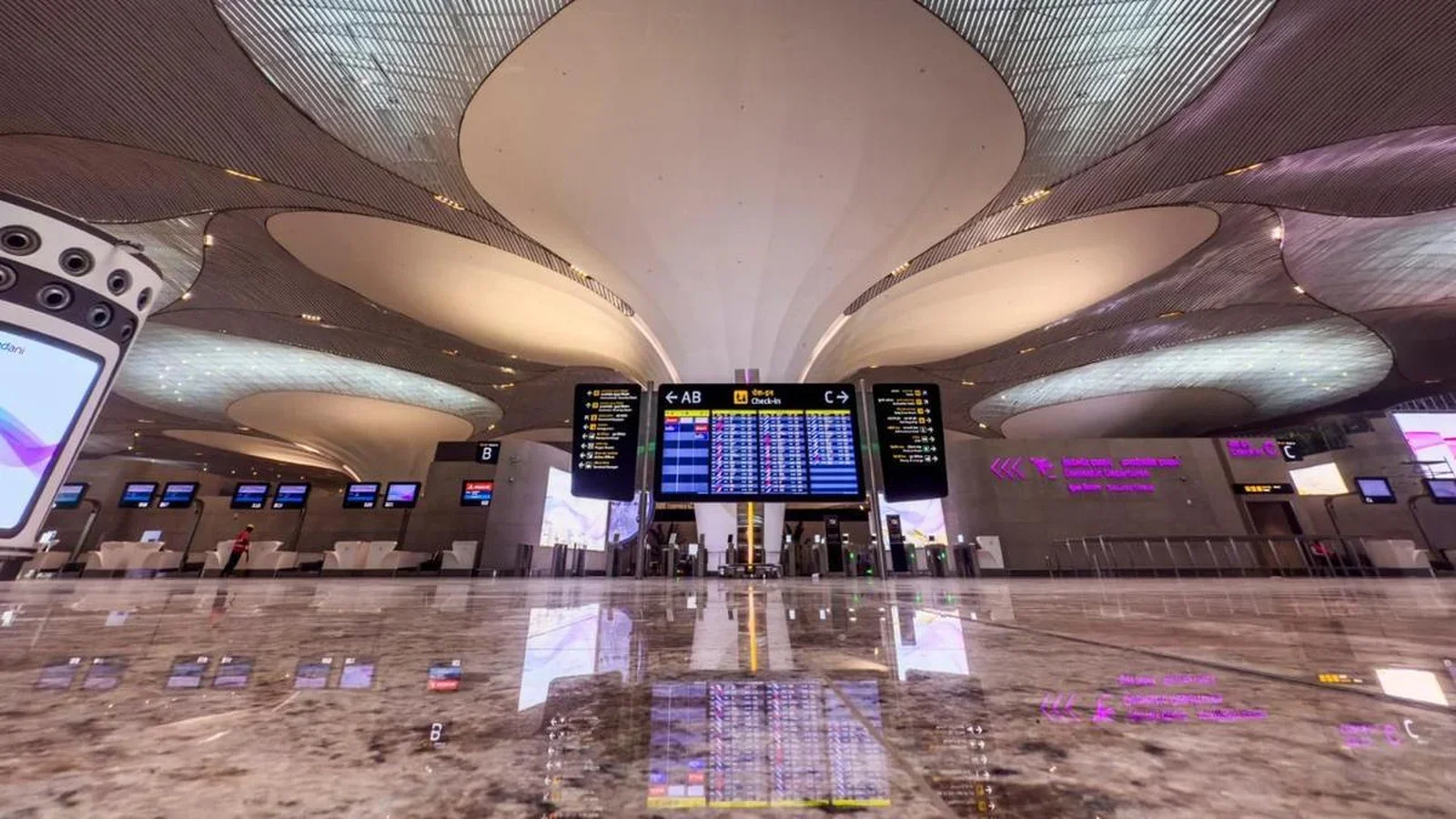
The story began on 9 September, when the International Air Transport Association, the body representing international carriers, wrote to the Ministry of Civil Aviation objecting to the proposal from Adani's Mumbai International Airport. The plan required foreign airlines to shift roughly one-third of their movements from Terminal 2 at Mumbai airport to Navi Mumbai from 1 October 2026. It included cutting 265 of Terminal 2's 770 weekly international departure slots from 26 October, a reduction of about 34 percent affecting 46 carriers.
The scale of the proposed cuts varied sharply by airline. IndiGo faced 74 slot cuts and Air India 33, while Emirates and Etihad Airways faced 10 each, according to The Hindu. The association said it was opposed to what it called forced relocation and said the proposal had not been developed through collaborative consultation with the carriers it would affect.
The airport operator, Adani Airport Holdings Limited, says the shift is needed to make room for the phased redevelopment of Mumbai airport's ageing Terminal 1. The north section of Terminal 1B is to be demolished because of safety concerns about the roughly 60-year-old structure, and a fire at the terminal in April made the redevelopment more urgent, the operator says. The work will temporarily reduce the airport's capacity by around five million passengers a year, about 9 percent of its annual traffic.
Although Terminal 1 handles domestic flights, the operator plans to move some of those operations to Terminal 2, while shifting some international flights from Terminal 2 to Navi Mumbai. It describes the relocation as temporary and says airlines will not lose their historical slots at Mumbai airport. Redevelopment is scheduled to begin in January 2027, and the expanded terminal is expected to handle 20 million passengers a year, up from 15 million.
Why the airlines object
The airlines' central complaint is that Navi Mumbai's operational ecosystem is not fully ready. The association pointed to ground handling, engineering and maintenance, catering, cargo facilities, crew arrangements and passenger connectivity, and said carriers had not received clear information about maintenance services for different aircraft types or about equipment and stands for widebody aircraft.
The association also warned that reduced capacity at Mumbai airport should not be used to compel airlines to shift flights to Navi Mumbai, which, like Mumbai airport, is owned by the Adani Group. The new airport, about 35 km from the city, has struggled to attract foreign airlines, partly because of its distance. The airlines' position is that a two-airport system should develop through airline choice and market forces rather than mandated transfers, and they worried they could be required to surrender their historical rights to fly to Mumbai.
Carriers plan schedules, aircraft deployment and ticket sales months ahead, the association said, and it called for any capacity reduction at Mumbai to follow established slot-coordination procedures. It also sought disclosure of the demand-capacity analysis behind the plan, the expected duration of the constraint and the basis for selecting one-third of each carrier's operations.
What has happened since
After the association raised the issue with the Ministry of Civil Aviation, the Centre deferred the 26 October deadline and asked the two sides to reconvene and find a mutually agreeable solution. The Adani Group later postponed the transition until the summer schedule, which begins at the end of March.
For the summer 2027 schedule, Mumbai airport allocated slots to 38 of the 50 international airlines. The remaining 12 airlines, 11 of them from the Gulf region, operating around 16 daily departures to 14 destinations concentrated in the Gulf, were not allocated Mumbai slots from the end of March 2027. The operator said they may operate these services from Navi Mumbai. They are Oman Air, Gulf Air, Air Arabia, Kuwait Airways, Qatar Airways, Jazeera, Flyadeal, Flynas, Riyadh Air, SAUDIA, Salam Air and Nepal Airlines.
Domestic carriers, including IndiGo, Air India and Akasa Air, had already announced plans last week to shift flights serving 14 destinations to Navi Mumbai. While Gulf carriers have objected to the proposed move, with warnings of possible reciprocal action against Indian airlines, the revised plan appeared to have averted a much larger confrontation by sparing some of the biggest international players, including Emirates, Etihad, Lufthansa and Air France-KLM.
The Chief Minister's alternative
The dispute took a new turn when Fadnavis said no airlines would be moved out of Mumbai. He has written to the Union Civil Aviation Minister proposing an alternative plan to redevelop Terminal 1 without disrupting its existing operations.
Speaking on Tuesday, 10 November, Fadnavis said he had suggested that the airport first develop Terminal 1B, shift operations from Terminal 1A to the newly developed facility, and then demolish and rebuild Terminal 1A. The proposal envisages a phased redevelopment, allowing the existing facility to remain operational while construction is carried out in stages.
If accepted, the alternative could remove the need to shift international flights from Mumbai to Navi Mumbai to make room for displaced domestic operations. It now remains to be seen whether the airport operator will consider the Chief Minister's alternative or whether further negotiations will be needed to arrive at a solution.