For years, a one-way flight was enough to put a criminal beyond the reach of Punjab Police. Today, ground-level sources, Interpol references, court warrants and quiet diplomacy work together to track down fugitives, establish their location and bring them back. Seventeen foreign-based gangsters have been deported or extradited so far, but the process behind their return is long and arduous.
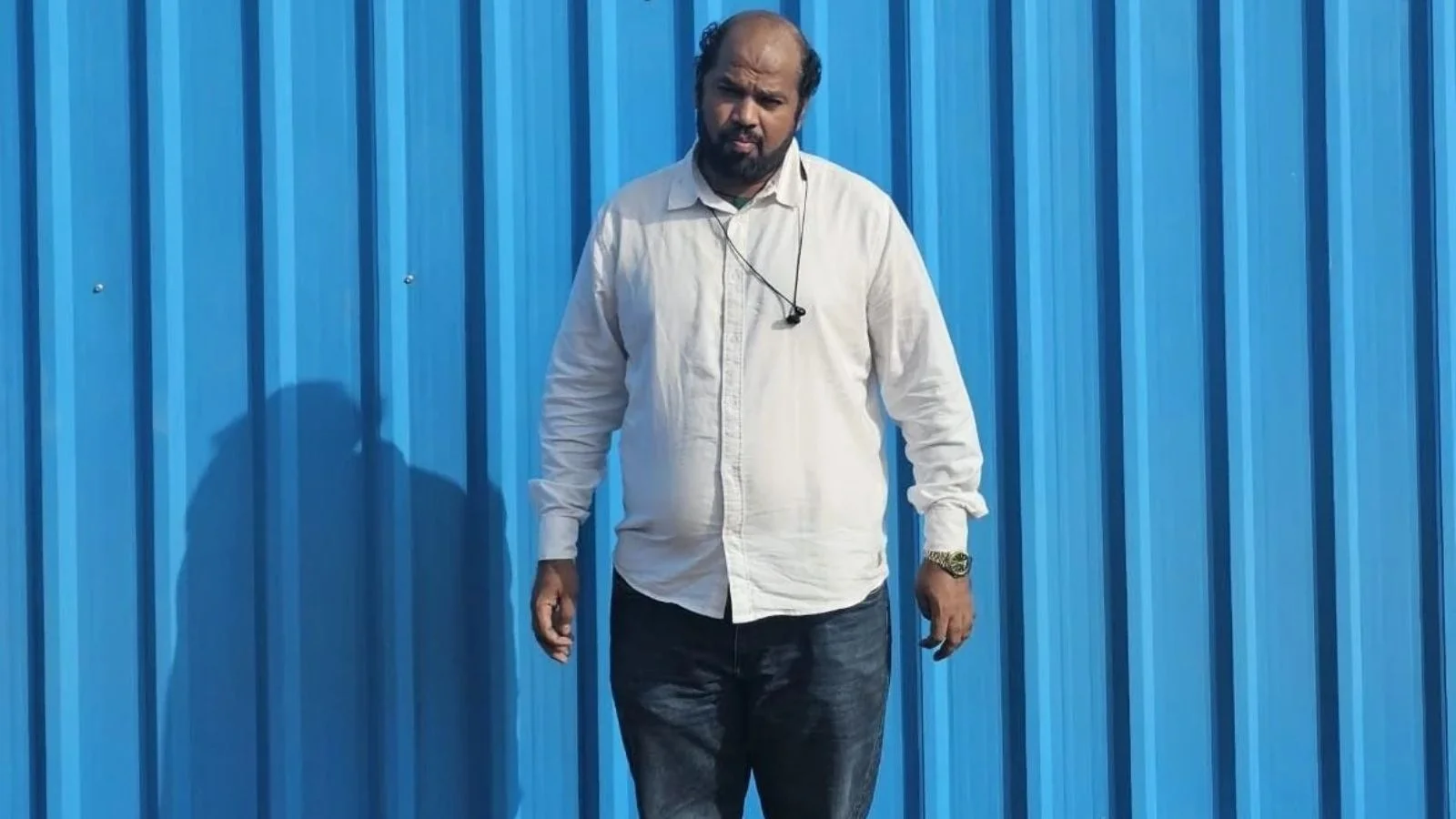
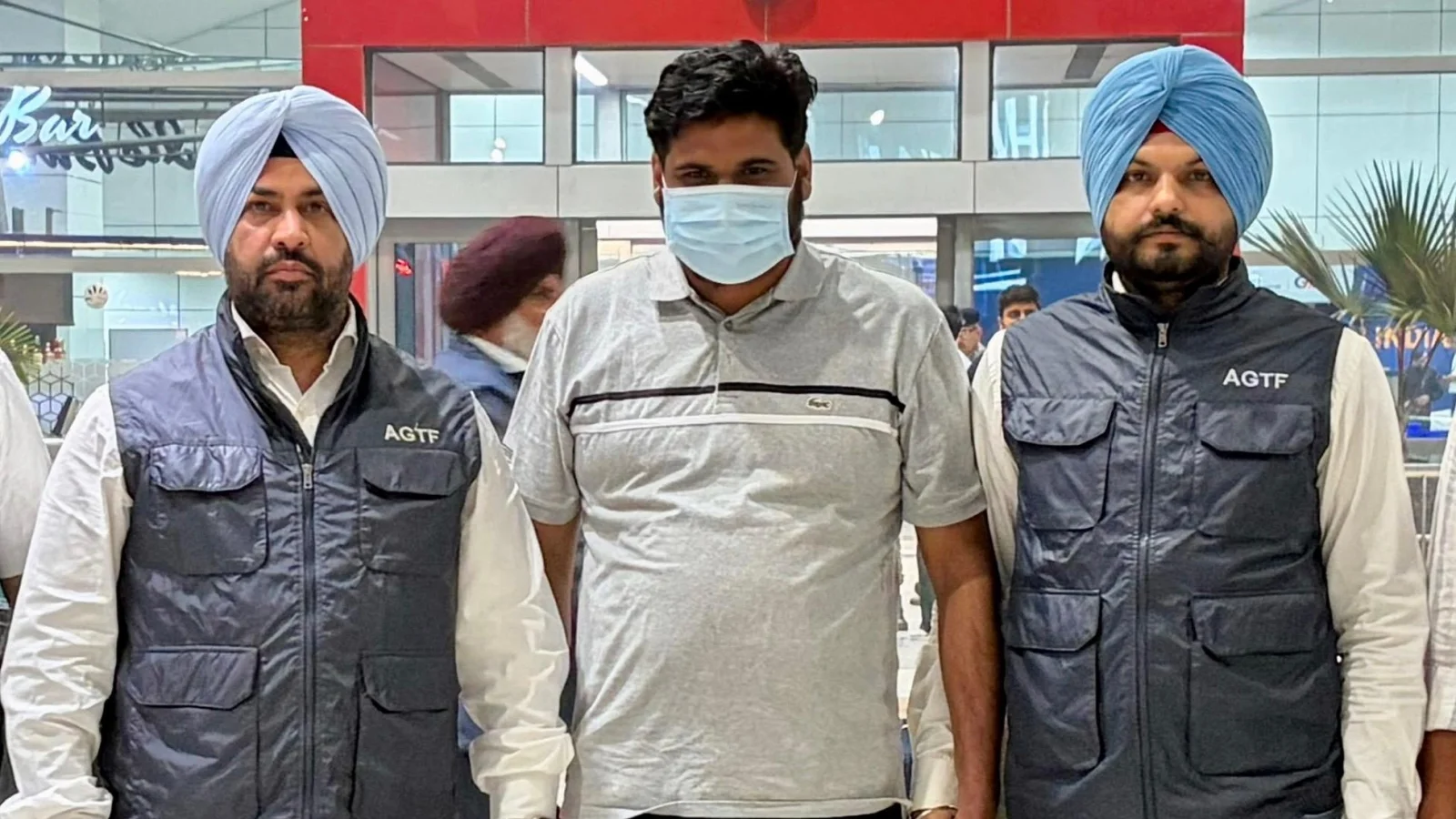
The latest return is that of Gurwinder Singh alias Afridi, who was deported from Ethiopia and brought back to India on November 7. Afridi carried a reward of Rs 5 lakh and faces more than 30 criminal cases. Punjab Finance Minister Harpal Singh Cheema, announcing the breakthrough on November 9, said Afridi is accused in several murders, including those of Sarpanch Rajwinder Singh, 12-year-old Gursewak Singh, Vicky Chugh, Jaswant Singh and Congress block president Gurmail Singh.
The Afridi trail shows why these cases take so long. His passport, issued in Lucknow on February 12, 2025, was in the name of Vijendra Singh, a Gorakhpur resident. The police traced him to the UAE in January 2026, but he evaded arrest, following which a Red Notice was issued on priority. He attempted to fly to Mexico via Istanbul but was sent back. Subsequently, he moved to Kenya in April and Angola in June, and seven Interpol references went to countries in Asia, Africa and South America. In November, his presence was confirmed in Ethiopia, from where he was deported.
Punjab's Anti-Gangster Task Force ran the manhunt with the Overseas Fugitive Tracking and Extradition Cell. Special DGP Promod Ban supervised it, and IGP Ashish Chaudhary coordinated with international agencies.
The two legal routes
There are two ways a fugitive comes home: deportation and extradition. Deportation is the quicker route. It happens when the host country removes the person, often for immigration violations such as travelling on a fake passport, and India takes custody on arrival. Extradition is a formal legal process in which India asks the host country's courts to hand the person over to face trial, and it can take years of paperwork and hearings.
Both routes run on the same machinery. The process starts with ground-level sources and court warrants, moves through Interpol references and Red Notices, and needs coordination between district authorities, the Bureau of Investigation, the Home Department, the Ministry of External Affairs and the National Crime Records Bureau. A Provisional Arrest Request can ask a foreign police force to hold a fugitive while the formal papers are prepared.
The scale of the paperwork is visible in the numbers. Police have issued 49 Red Corner notices through NCB-India, while 13 are pending and 72 are in the process. Red Notices, called Red Corner Notices in India, ask police forces worldwide to locate and provisionally arrest a wanted person pending extradition.
Who has been brought back
Those brought back so far include Ramanjit Singh Romi from Hong Kong, Amrit Singh from the Maldives, Prabhpreet Singh from Germany and Parminder Singh Pindi from the UAE. Sajjan Mahesh and Sukhdev Kumar alias Manish Baidi came from Indonesia, Ajay Singh, Pawandeep Singh and Jaspreet Singh from Malaysia, and Karmbir Singh Deol from Canada.
Joban Billa was apprehended following a Red Notice. Joban Saiduke and Manjot were traced but were not deported, and extradition proceedings are under way in their cases.
Who is still on the run
Punjab Police have notified 28 wanted criminals, with rewards of Rs 10 lakh on nine of them and Rs 5 lakh on the remaining 19. Six have been brought to book: Joban Billa, Aditya Kapoor alias Makhan, Shakti Kumar, Jaskaran Singh alias Katta, Rajinder Singh alias Billa and Afridi.
Still on the radar, all in the Rs 10 lakh category, are Goldy Brar, Lakhbir Singh alias Landa Harike, Harwinder Singh alias Rinda, Satbir Singh alias Satta Naushera and Balwinder Singh alias Doni Bal. More than 100 gangsters are said to be operating from foreign countries in all.
The returns sit inside a wider crackdown. Under the Gangstran Te Vaar campaign, Punjab Police conducted 1,61,266 raids between January 20 and November 7, 2026, and arrested 2,162 proclaimed offenders. The lesson of the Afridi case is that no single tool brings a fugitive home. It takes a fake passport unravelling, a Red Notice, seven Interpol references across three continents and a tip-off in Ethiopia, and even then the flight home is only the start of the trial.