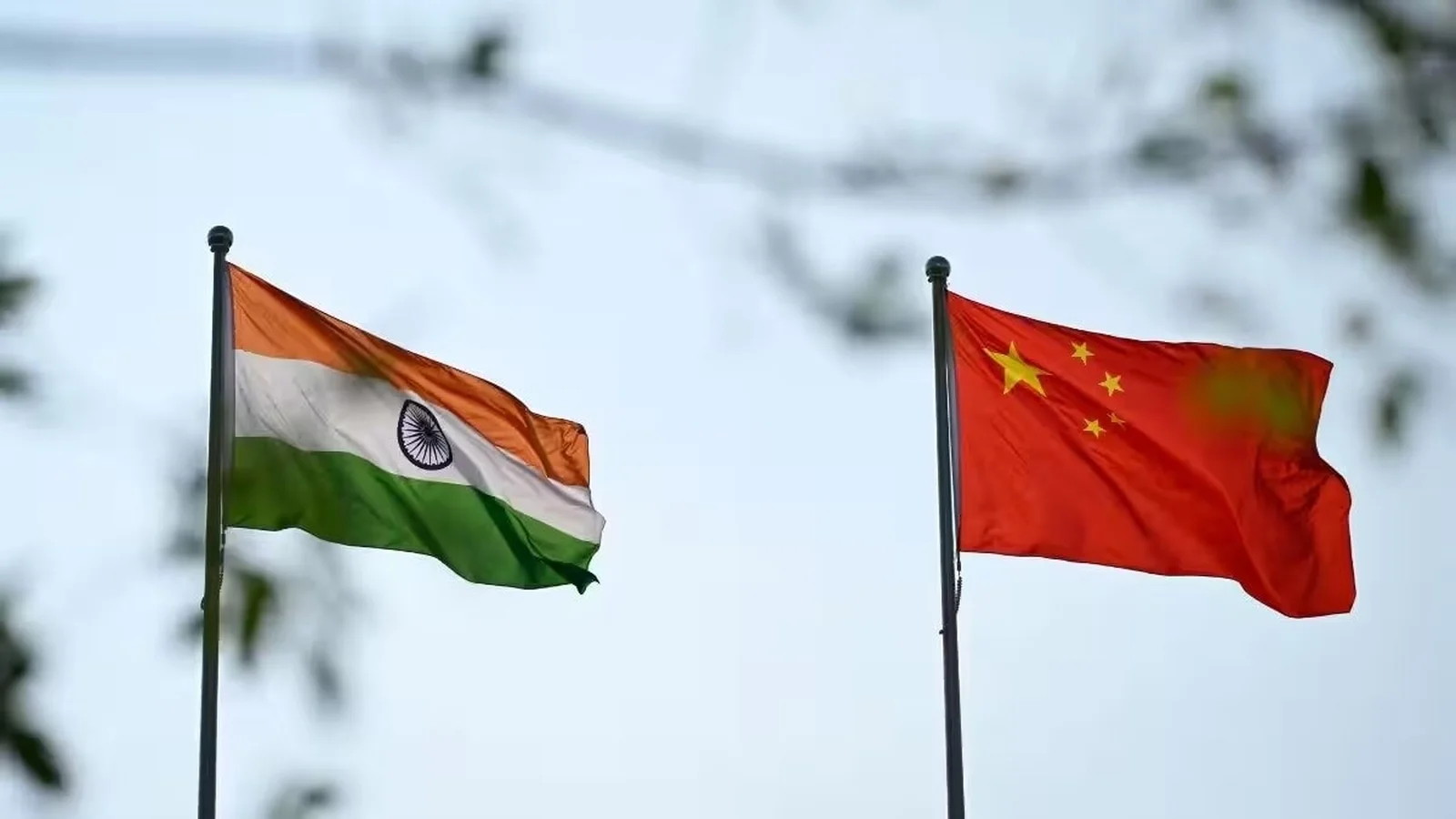
HSBC has upgraded Indian equities to overweight from neutral and downgraded China to neutral, saying Indian valuations have turned attractive after the market lagged its peers. The call comes as foreign investors reassess Asia's two largest markets, with India looking cheaper than it has in years relative to its own history.
Why HSBC turned positive on India
HSBC said the story should not be one of concern about India losing its way in a world of artificial intelligence, but one of valuations that have corrected enough to look attractive. Indian stocks have underperformed this year as foreign investors pulled money out, and the bank argues that the selloff has created an entry point. The upgrade reflects a view that earnings growth in India remains intact even as global worries about AI disruption weigh on sentiment.
The China downgrade
At the same time, HSBC cut China to neutral, saying the market's recent rally has left less room for further gains. Chinese stocks have surged on AI related optimism, and the bank sees the risk reward as more balanced now. The shift in stance between the two markets is notable because global investors have long debated which of the two offers better value, and HSBC is now firmly in India's camp.
What it means for Indian markets
An overweight call from a major global bank can influence how foreign funds allocate money to India. If other brokerages follow, it could bring fresh inflows into Indian stocks, which have been under pressure from sustained foreign selling. Domestic investors have so far absorbed much of the selling, keeping the market resilient. HSBC's call adds to a growing view that Indian equities are due a recovery after a weak year.
The risks to the call
The upgrade is not without risks. Earnings growth needs to deliver, and global factors such as US interest rates, oil prices and the AI trade could still move markets sharply. But HSBC's message is that at current valuations, India offers a better balance of growth and price than it has in some time, and that is enough to justify an overweight stance.