India spoke to both sides of the Russia-Ukraine conflict on Monday evening, with Prime Minister Narendra Modi calling Ukrainian President Volodymyr Zelenskyy and External Affairs Minister S. Jaishankar calling Russian Foreign Minister Sergey Lavrov. The calls came a day before officials from Russia, Ukraine and the United States are due to meet in Abu Dhabi for talks aimed at ending the war.
Modi's call with Zelenskyy
Prime Minister Modi held a telephone conversation with President Zelenskyy on Monday. According to the Prime Minister's Office, Zelenskyy shared his perspective on the latest developments related to the ongoing conflict. Modi reaffirmed India's human-centric approach and reiterated India's consistent position that the conflict must be resolved through dialogue and diplomacy. He conveyed India's readiness to contribute to all efforts aimed at a peaceful resolution of the conflict. The two leaders also discussed measures to further strengthen India-Ukraine bilateral cooperation in various sectors for the mutual benefit of the two peoples, the Prime Minister's Office said.
In a post on X after the conversation, Modi described the discussion as productive. He said the two leaders had reviewed their wide-ranging bilateral cooperation and agreed to further strengthen India-Ukraine ties. He also thanked Zelenskyy for sharing his assessment of the conflict and efforts to restore peace. Zelenskyy, in his own post on X, said the two leaders had discussed preparations for the upcoming meeting in Abu Dhabi and the diplomatic developments surrounding the conflict. He said their teams would remain in contact on global and bilateral issues.
India ready to help with food corridors
Zelenskyy said India was ready to mediate in establishing food corridors, according to Business Standard. The offer matters because the war has disrupted grain shipments through the Black Sea, and food security in the Global South depends on those routes staying open. India has said it wants to protect grain shipments, and the food corridor idea gives New Delhi a practical role in the diplomacy around the conflict. The Hindu reported that Modi's call with Zelenskyy and Jaishankar's call with Lavrov came as India sought to protect grain shipments and food security in the Global South.
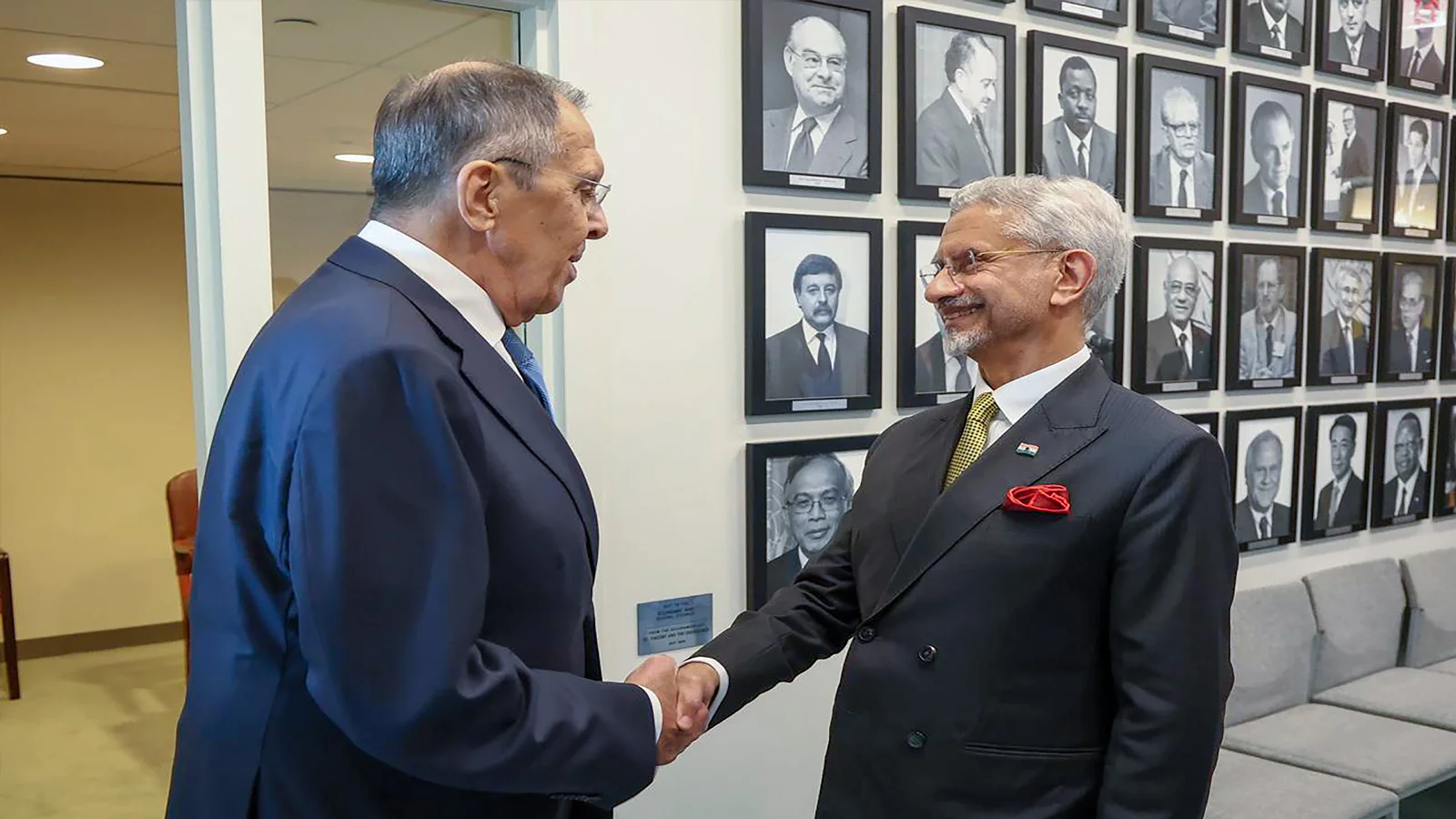
External Affairs Minister S. Jaishankar spoke with Russian Foreign Minister Sergey Lavrov on Monday evening. In a post on X, Jaishankar said their conversation focused on the Ukraine conflict and ongoing diplomatic initiatives. DD India reported that the call took place hours after Modi's conversation with Zelenskyy. Jaishankar had also met Lavrov in Atlanta on the sidelines of a G20-related event, where the two had discussed the Ukraine conflict. The back-to-back calls on Monday meant India had engaged both Moscow and Kyiv on the same day, just before the Abu Dhabi talks.
Abu Dhabi talks open on Tuesday
Officials from Russia, Ukraine and the United States are set to meet in Abu Dhabi on Tuesday and Wednesday. The talks are the first trilateral meeting of the three sides since February, and they come as the war approaches the five-year mark. Security guarantees are expected to top the agenda, along with territorial questions and arrangements to prevent further escalation. Earlier rounds of negotiations this year failed to yield visible progress, according to News18. The two-day meeting is aimed at finding a way to end Europe's deadliest conflict since World War II.
India has kept up contact with both sides through the war without taking a public position against either. The Monday calls follow that pattern, with Modi speaking to Kyiv and Jaishankar speaking to Moscow within hours of each other. India has also submitted a proposal to contribute to peace efforts, and the food corridor offer is part of that engagement. The approach lets India stay involved in the diplomacy without having a seat at the Abu Dhabi table, and it keeps New Delhi's channels open with both capitals.
What to watch in Abu Dhabi
The Abu Dhabi talks will test whether the three sides can move beyond the positions that stalled earlier rounds. For India, the outcome matters on two counts: the safety of grain shipments that feed countries across Asia and Africa, and the course of a war that has shaped energy prices and global diplomacy for nearly five years. Modi and Zelenskyy agreed that their teams would stay in contact, so New Delhi will be watching the talks closely even from outside the room.