
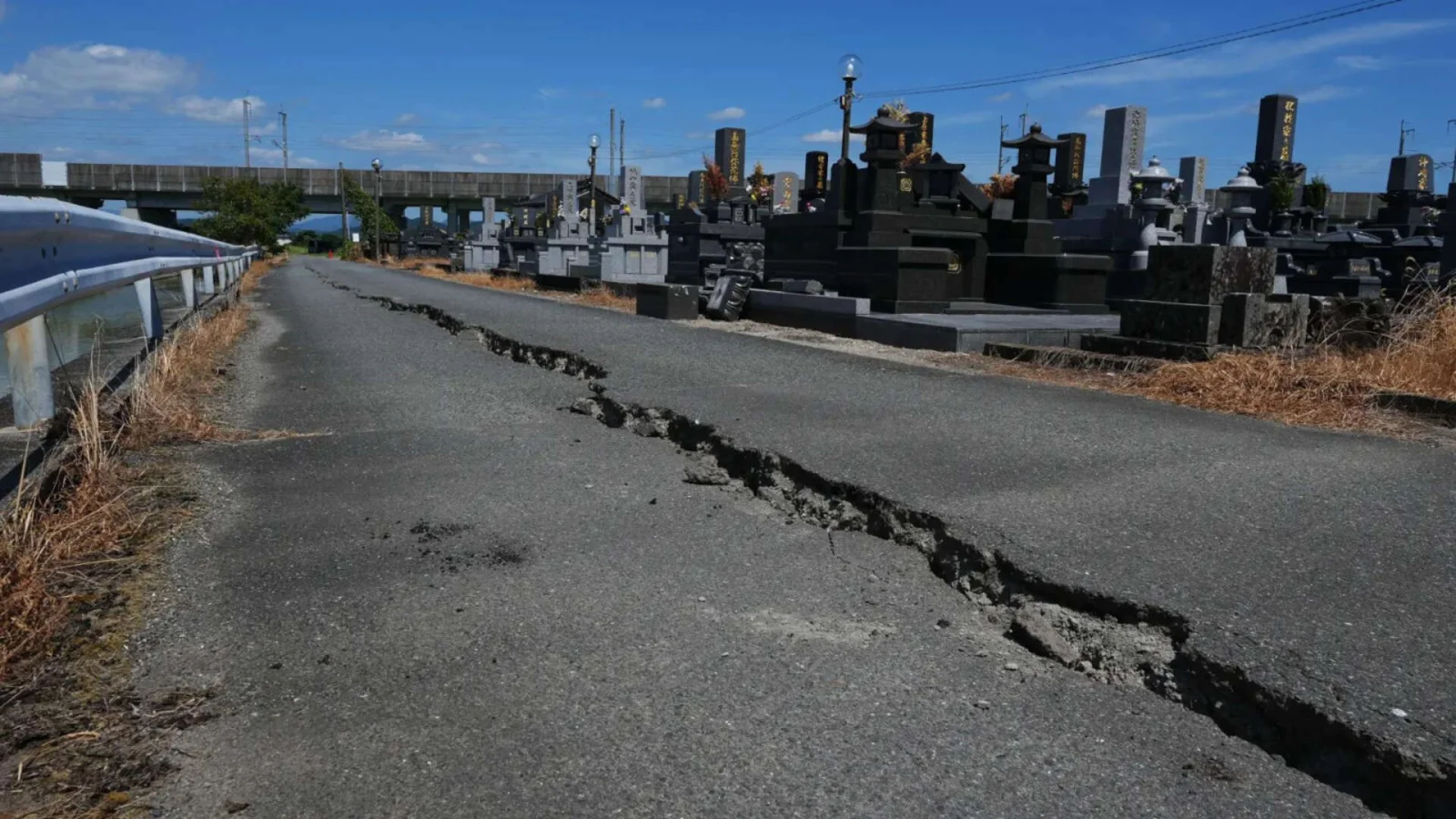
A powerful earthquake of 6.8 magnitude struck Peru on Friday evening local time, shaking the capital Lima and sending frightened residents out of their homes. Officials have reported no loss of life or property so far, and no tsunami threat has been issued for the quake.
Peru's Geophysics Institute located the quake in the Andean region of Junin, at a depth of 129 km underground. The German Research Centre for Geosciences put the magnitude at 6.8, while the US Geological Survey put it slightly lower, at 6.7. Tremors were felt in Lima, where television footage showed lawmakers walking out of Congress as the ground shook.
The US National Tsunami Warning Center confirmed there is no tsunami threat to California, Oregon, Washington, British Columbia or Alaska. No tsunami warning was issued for Peru's own coast either, according to the reports available so far.
Deep quake in the Andes
The depth of the quake, 129 km below the surface, is one reason the damage appears limited so far. Deep earthquakes spread their energy over a wider area but often cause less surface destruction than shallow quakes of the same size. Even so, officials in Peru are still assessing buildings and infrastructure in Junin and in Lima, and the casualty picture could change as reports come in from remote areas.
Peru has faced several strong quakes this year. In August 2026, a 6.7 magnitude quake in the Andes region injured two people and damaged homes, schools and health centres. In July 2026, a 5.5 magnitude quake in Junin killed six people and injured about 30. Friday's quake was stronger than both, which is why the first hours of checking matter so much.
Peru and the Ring of Fire
Peru sits in the Pacific Ring of Fire, a 40,000 km zone of volcanoes and fault lines where most of the world's earthquakes occur. The country lies where the Nazca tectonic plate slides beneath the South American plate, a collision that regularly produces large earthquakes along the Andes and the Peruvian coast.
The region's history makes preparedness a constant concern. Buildings in Lima and other cities are built to quake-resistant standards, and residents are drilled on what to do when tremors hit. On Friday evening, that practice showed in the capital, where people moved out of their homes and into open spaces as the shaking began, and lawmakers left the Congress building mid-session.
Authorities are expected to release a fuller damage assessment once teams reach the worst-hit areas around Junin. For now, the official position is that no casualties have been reported, no tsunami is expected, and monitoring continues.
**Q:** How strong was the Peru earthquake? A: The German Research Centre for Geosciences put the magnitude at 6.8, while the US Geological Survey put it at 6.7. It struck in the Andean region of Junin at a depth of 129 km. **Q:** Were tremors felt in Lima? A: Yes, tremors were felt in the capital Lima, where residents came out of their homes and lawmakers walked out of Congress as the ground shook. **Q:** Is there a tsunami threat after the Peru quake? A: No, no tsunami threat has been issued, and the US National Tsunami Warning Center confirmed there is no threat to the west coast of North America.