
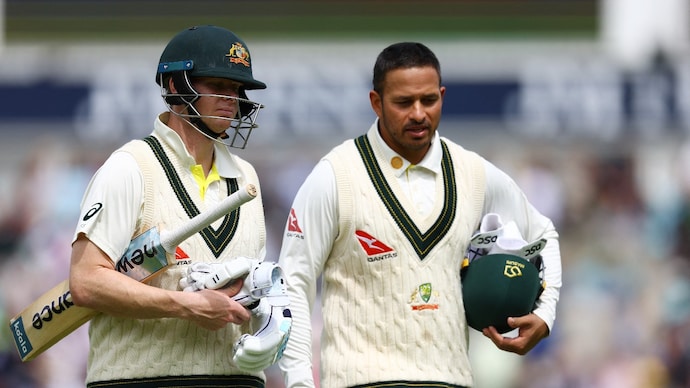
Former Australia batter Usman Khawaja has reopened one of cricket's darkest chapters, claiming the entire team knew about and was involved in ball tampering during the 2018 tour of South Africa. Speaking to Nine newspapers ahead of the release of his autobiography “Sabr” on Tuesday, November 10, Khawaja alleged that sandpaper was used on the ball in the previous Test in Port Elizabeth, now Gqeberha, before Cameron Bancroft was caught on camera in Cape Town. He said, “It was all of us. Not the batters, not the bowlers, not the staff. All of us,” a claim that, if accepted, would widen responsibility far beyond the three players who were punished.
The questions he raises
Khawaja questioned why Cricket Australia's investigators never interviewed him despite him sitting next to Bancroft during the Cape Town Test. The point goes to the heart of his claim: that the investigation did not speak to everyone who was there. The scandal broke during the third Test at Newlands in March 2018, when Bancroft was caught using sandpaper to rough up the ball. David Warner, Bancroft and then-captain Steve Smith were sent home and banned. The bans that followed were among the heaviest in the sport's history, and the episode has shadowed Australian cricket ever since.
Cricket Australia's response
Cricket Australia said it remained comfortable with its investigation findings and that all relevant information had been properly considered. The board has not reopened the investigation. The statement stands in contrast to Khawaja's account, and the gap between the two versions is now the story. One side says the investigation was complete, the other says it never asked the right people.
Why it matters now
Khawaja's claims come in the week his autobiography is published, and they revive a debate that many in Australian cricket had hoped was closed. The timing means the claims will be read alongside the book, not apart from it. Whether the claims lead to any fresh action is unclear. For now, they have put Sandpapergate back in the headlines, eight years after the ball was first tampered with in Cape Town.