
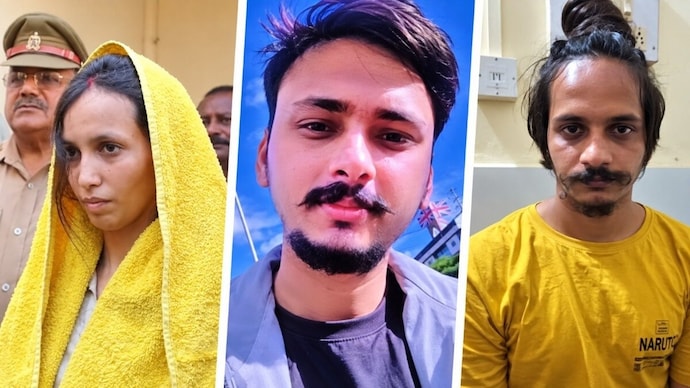
Inmates at Meerut District Jail are making diyas, candles, decorative garlands and rangoli posters for Diwali, with products sold through prison outlets for wages. The work is part of the jail's programme to give inmates occupation and income ahead of the festival. Among them are Muskan Rastogi and Ravita, both sentenced to death with their lovers in the blue drum murder and snakebite murder cases respectively. Their presence in the workshop has drawn attention to the programme, since both cases were widely reported. The prison bakery is also producing nearly 30 varieties of biscuits, including Meerut's naan khatai. The bakery work runs alongside the Diwali products, and together they keep a large number of inmates occupied.
Work, wages and skills
Senior Jail Superintendent Viresh Raj Sharma said the aim was to give inmates work, income and vocational skills to support rehabilitation. The statement sets out the purpose plainly: the work is meant to help inmates, not simply to keep them busy. The products are sold through prison outlets, which means the work earns wages for the inmates who make them. The diyas, candles and garlands made in the jail will reach buyers outside, and the money goes back to the people who made them.
The two cases behind the headlines
Muskan Rastogi was sentenced to death with her lover in the blue drum murder case, and Ravita was sentenced to death with her lover in the snakebite murder case. Both cases were widely reported when they were decided, and the names are familiar to readers in the state. Their participation in the Diwali work does not change their sentences. It shows only that the jail's work programme covers all inmates, including those on death row, and that the programme is open to everyone in the jail.
A festival programme inside the jail
The nearly 30 varieties of biscuits from the prison bakery, including naan khatai, show the scale of the programme. Naan khatai is a Meerut speciality, and its production in the jail bakery connects the prison's work to the city's own food traditions. For the jail administration, the Diwali programme is part of a wider approach to rehabilitation. Work, income and vocational skills are the three aims named by the Senior Jail Superintendent, and the festival work serves all three at once.