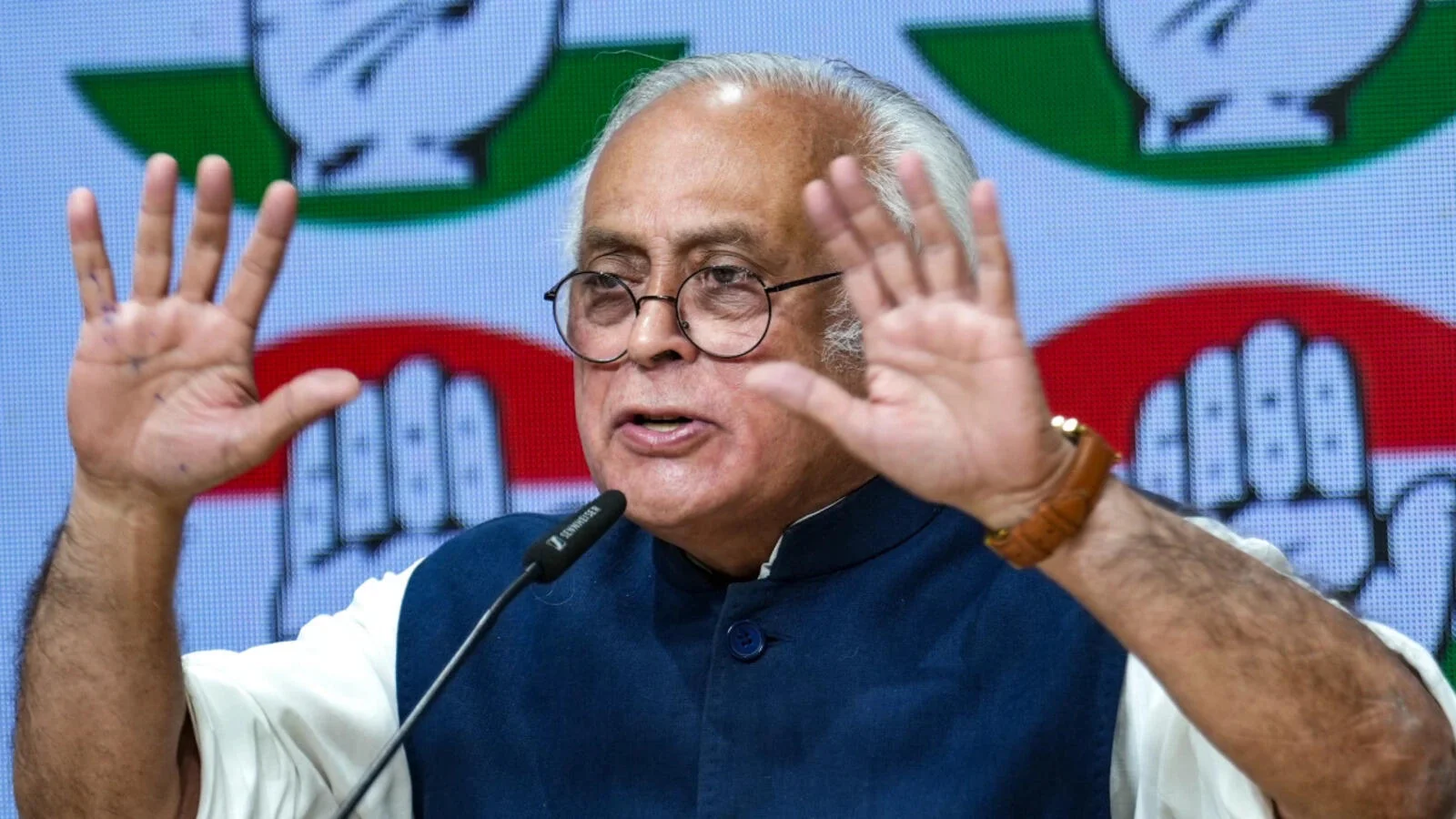
The Congress on Friday reiterated its four-point formula on delimitation ahead of Parliament's Winter Session, demanding a 25-year freeze on the Lok Sabha's strength of 543 seats and the current state-wise allocation of seats, along with the immediate implementation of women's reservation. Party general secretary Jairam Ramesh said the opposition INDIA bloc was united on the demands, even as speculation grows that the Centre may bring a fresh Delimitation Bill in the session expected to begin in early December.
The four points, as set out by Ramesh, are: the Lok Sabha's strength stays at 543 seats; the present state-wise distribution of seats remains unchanged; one-third of the existing seats, 182 in all, are reserved for women; and all three arrangements are frozen for 25 years. Ramesh said the Congress was not opposed to delimitation as such, but wanted the exercise settled through consultations with all political parties so that no state was placed at a disadvantage.
Ramesh accused the government of making no effort to engage the Opposition on the matter. He said the Centre had not shared a concrete proposal on delimitation even with its own allies in the National Democratic Alliance. The Congress favours resolving the issue through consultations with all political parties, he said, adding that the need for consensus had become pressing because Article 82 of the Constitution would come into force once the results of the first Census conducted after 2026 were published.
The DMK question
Ramesh claimed that all INDIA bloc parties, including the DMK and the Nationalist Congress Party (Sharadchandra Pawar), were on the same page on the formula. He said NCP (SP) MP Supriya Sule was "100 per cent in agreement" with the demands, and pointed to a DMK-backed resolution opposing any increase in Lok Sabha seats and seeking safeguards for Tamil Nadu. The claim, however, sits uneasily with the DMK's own position: the party has officially exited the opposition bloc, a fact noted in reports of Ramesh's briefing.
The Congress argues that a population-based redrawing of constituencies could unfairly penalise states that have controlled population growth, particularly in the south. The party therefore opposes using the 2027 Census as the basis for delimitation, and wants the Women's Reservation Act implemented within the existing seat structure instead of waiting for a fresh delimitation exercise.
Winter Session showdown ahead
With the Winter Session approaching, the Congress has signalled that it is prepared to resist any delimitation legislation that ignores its four demands. The party's position has not changed from its earlier stand against a constitutional amendment on the issue. The Monsoon session of Parliament has remained unprorogued since both Houses adjourned sine die on August 13, and the government has so far given no public indication of the contents of any delimitation Bill.
The Congress has now set out its terms in public. What the government brings to the Winter Session will decide whether delimitation becomes the session's biggest flashpoint.
**Q:** What is the Congress's four-point formula on delimitation? A: Keep the Lok Sabha at 543 seats, keep the current state-wise seat distribution, reserve 182 seats for women immediately, and freeze all three arrangements for 25 years. **Q:** Why does the Congress oppose using the 2027 Census for delimitation? A: The party says a population-based redrawing could penalise states, particularly in the south, that have successfully controlled population growth. **Q:** When will delimitation take place? A: Under Article 82 of the Constitution, delimitation follows the publication of the results of the first Census conducted after 2026. The Winter Session of Parliament is expected to begin in early December.