India faces a substantial diabetes diagnosis gap. According to figures cited by the Sentinel Assam, 8.98 crore adults in the country are living with diabetes, and approximately 3.86 crore of them, or 43 percent, remain undiagnosed. The gap means that close to half of all Indian adults with the condition do not know they have it.
The picture is similar worldwide. The International Diabetes Federation (IDF), which organises the global campaign, estimates that 589 million adults are living with diabetes across the world, while 252 million of them, more than 40 percent, do not know they have the condition. A further 635 million adults worldwide are considered at high risk of developing Type 2 diabetes.
The stakes of late diagnosis are high. Up to 50 percent of people with diabetes may already have complications by the time they receive their diagnosis, according to the campaign. Acting early, the IDF says, can save lives, prevent complications and improve health for all.
Screening camps across India
Across India, the Union Ministry of Health and Family Welfare and the National Health Mission are delivering non-communicable disease services through health centres and clinics. Hospitals, health agencies and community organisations are running free blood glucose screening drives, awareness programmes and lifestyle education activities to mark the day.
In Guwahati, Assam, community initiatives include public screening camps and walkathons to encourage participation in diabetes awareness activities. Similar drives are being held in cities and towns across the country, with the aim of reaching people who have never had their blood sugar tested.
The World Health Organization has also highlighted the importance of recognising symptoms and ensuring timely medical assessment. "Recognize the symptoms of diabetes to support timely testing, diagnosis and referral," the WHO said in its 2026 World Diabetes Day brief.
A target for 2030
The WHO has set a global target of diagnosing at least 80 percent of people living with diabetes by 2030. The target places early detection at the centre of efforts to reduce the number of people living with undiagnosed diabetes.
One obstacle is a common misunderstanding about the early stages of the condition. IDF survey findings for the 2026-2027 campaign indicate that 75 percent of at-risk Indian adults mistakenly believe prediabetes causes obvious symptoms. In fact, raised blood sugar often develops without clear warning signs, which is why testing matters even for people who feel well.
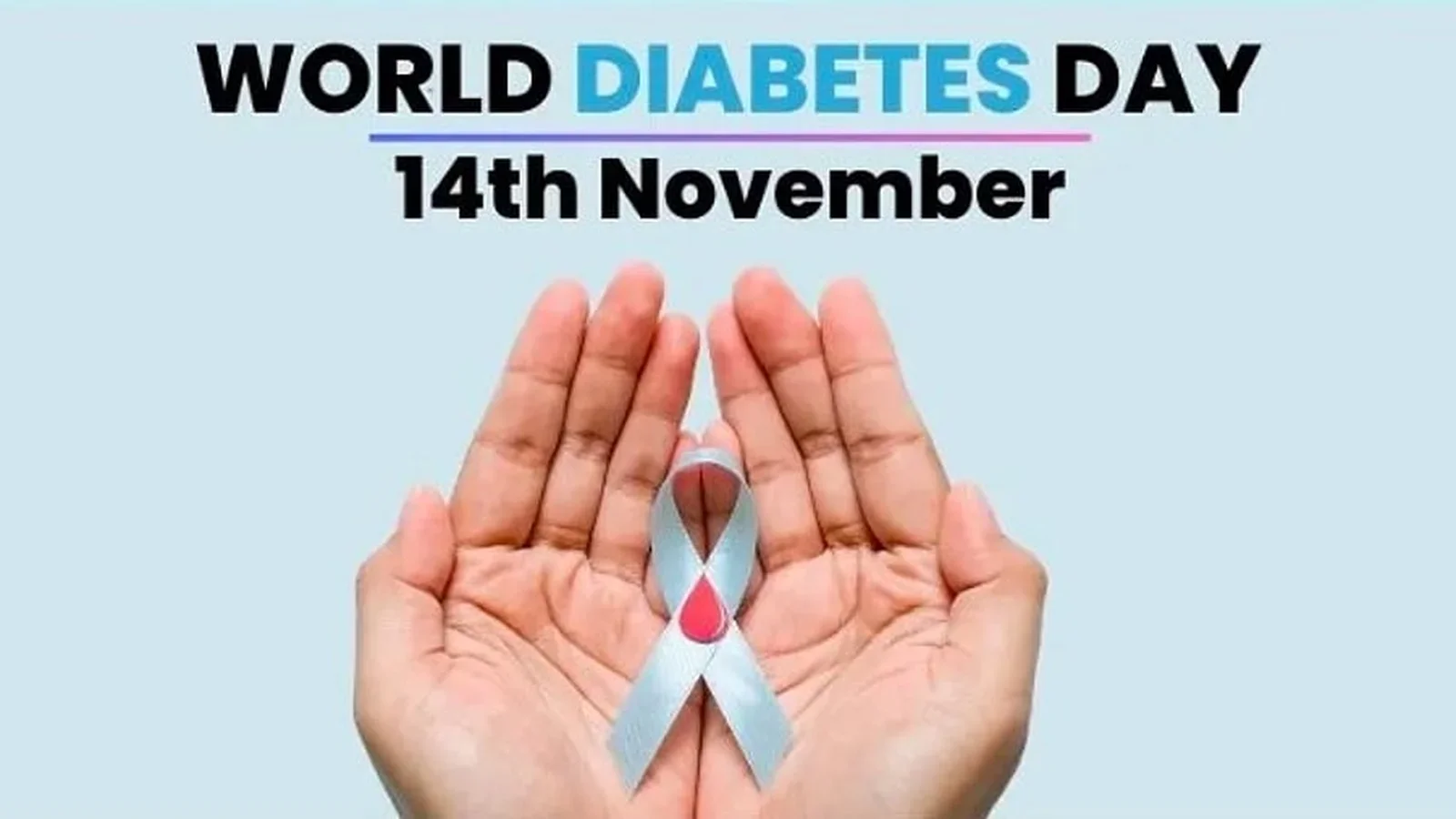
World Diabetes Day is observed every year on 14 November to mark the birthday of Sir Frederick Banting, the co-discoverer of insulin. The 2026 campaign calls on communities, healthcare institutions and individuals to prioritise early testing rather than wait for noticeable symptoms.
With millions of affected adults still undiagnosed in India and worldwide, the campaign's central message is clear: recognising risk, seeking timely screening and obtaining an early diagnosis can help prevent complications and improve health outcomes.