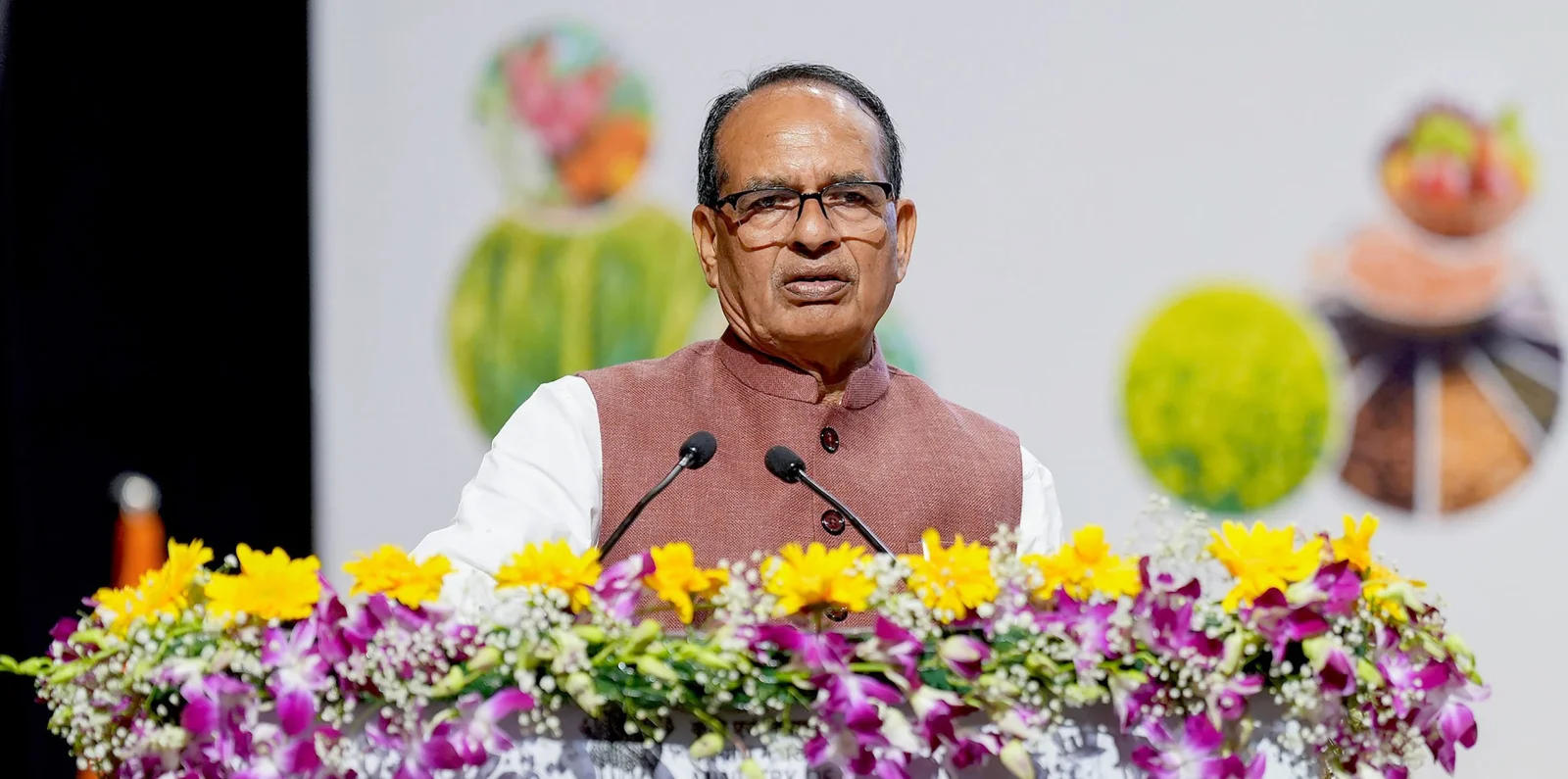
India has developed its first indigenous vaccine against the H5N1 strain of highly pathogenic avian influenza, commonly known as bird flu, for chickens. Union Minister of Agriculture and Farmers Welfare Shivraj Singh Chouhan will dedicate the vaccine to the nation on 20 November at the ICAR-National Institute of High Security Animal Diseases in Bhopal.
The announcement was made on Wednesday, 18 November, in a Press Information Bureau release from the Ministry of Agriculture and Farmers Welfare. The vaccine was developed by the Bhopal-based ICAR-National Institute of High Security Animal Diseases, known as ICAR-NIHSAD.
It is the first vaccine developed in India specifically to protect chickens against the H5N1 virus belonging to Clade 2.3.2.1a, the strain responsible for most bird flu outbreaks in Indian poultry. At present, no specific commercial vaccine is available against this clade.
The vaccine is an inactivated vaccine, meaning it uses a killed version of the virus to stimulate an immune response without causing the disease. According to reports, a single dose is expected to protect chickens for up to six months, and the vaccine is primarily intended for commercial poultry farms, particularly those raising layer chickens for egg production and breeder birds.
Why bird flu matters for poultry and farmers
Highly pathogenic avian influenza can cause up to 100 per cent mortality in chickens, according to the government's release, leading to massive economic losses for farmers, trade restrictions and wider effects on livelihoods.
India has recorded more than 500 combined H5N1 and H5N8 outbreaks since 2006. The release also cites World Health Organization figures of 1,003 human H5N1 cases with 479 deaths globally since 2003, and notes that the clade has recently been found in mammals and in three reported human infections.
Human infections remain uncommon, and sustained human-to-human transmission has not been established. The risk is highest for people who have close, unprotected contact with infected birds or contaminated environments.
Fresh outbreaks in Tamil Nadu and Andhra Pradesh
The vaccine announcement comes amid fresh bird flu outbreaks in India. In Tamil Nadu's Cuddalore district, H5N1 infection was confirmed in November after sudden bird deaths were reported at poultry farms. As of 13 November, 35,647 birds had died in the affected zone, and around 40,000 chickens were subsequently culled as part of containment measures within a one-kilometre radius, with poultry movement restricted.
Andhra Pradesh has also reported outbreaks. In October, bird flu was confirmed in poultry in Anantapur district, including Siddarampuram village in Bukkarayasamudram mandal. The state government declared infected and surveillance zones and restricted poultry movement to limit the spread.
Outbreak control has traditionally involved surveillance, testing, culling infected and exposed birds, restricting movement from affected areas and improving biosecurity on farms. Vaccination could add another preventive tool when used as part of a scientifically monitored control strategy.
According to the Department of Animal Husbandry and Dairying's 2025-26 annual report, outbreaks during 2025 affected states including Maharashtra, Chhattisgarh, Jharkhand, Andhra Pradesh, Madhya Pradesh, Telangana, Karnataka and Bihar, among others.
What remains unclear
The announcement does not by itself establish when the vaccine will become commercially available, how it will be deployed across poultry farms, or what vaccination protocols will be followed. Those details will be important in assessing its eventual impact.
People should avoid handling sick or dead birds with bare hands and report unusual bird deaths to veterinary authorities. Poultry and eggs should be handled hygienically and cooked thoroughly.
India's first indigenous H5N1 poultry vaccine marks an important research milestone. Its real-world value will depend on effective deployment, continued surveillance, biosecurity and coordination between animal-health and public-health authorities.