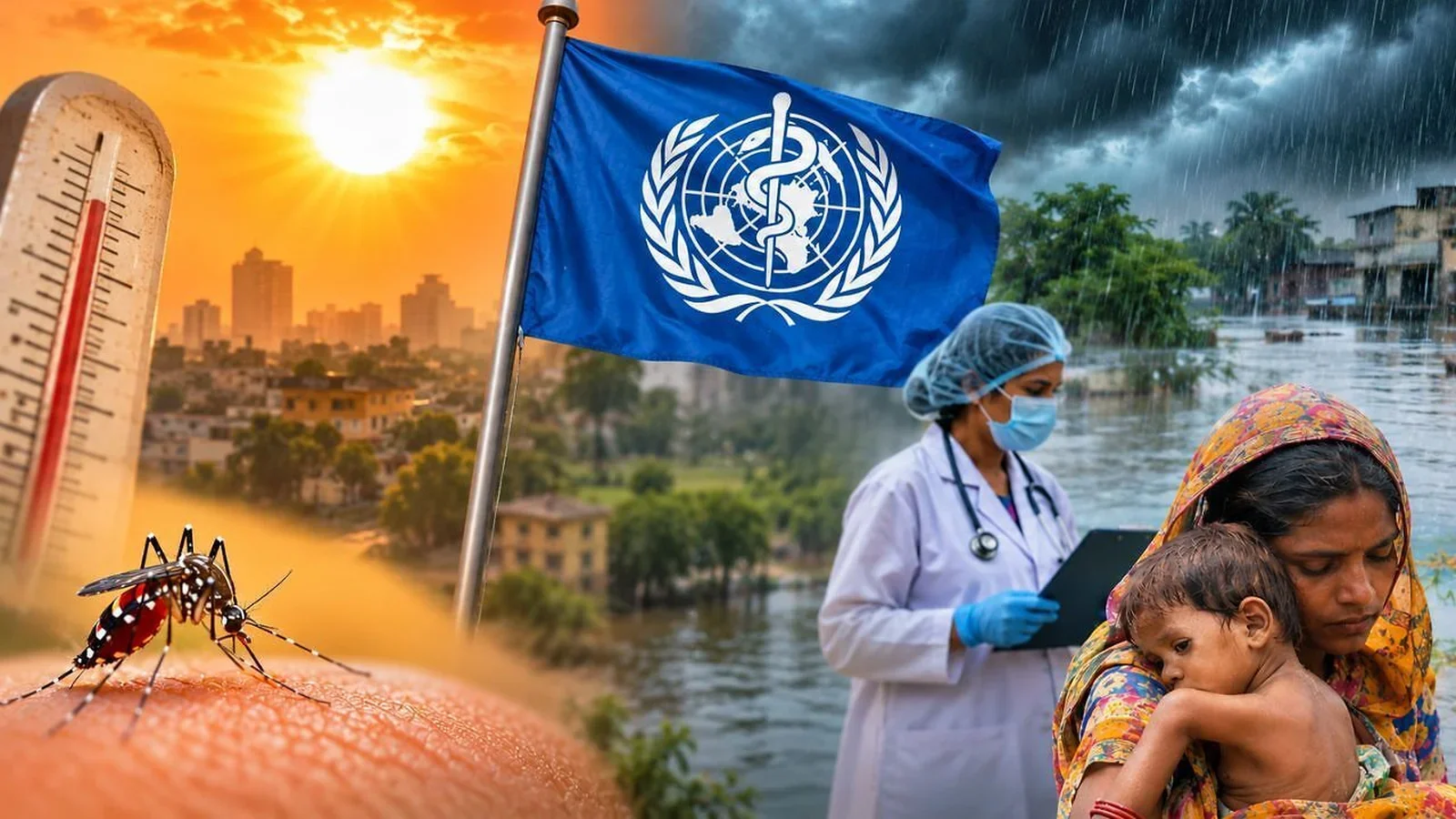
The escalation comes in the WHO's strategic preparedness and response plan, released on 2 November. The Grade 3 response runs from October 2026 to September 2027 and signals the need for coordinated action across the WHO's headquarters, regional offices and country offices. The agency has identified an initial resource requirement of about 35 million dollars for the first six months of operations, covering October 2026 to March 2027.
The plan sets out four strategic priorities: detection and monitoring, protection and prevention, care and support, and health leadership and coordination. Reports describe it as the first time the WHO has placed an El Nino event on Grade 3 emergency footing.
The WHO's Global Public Health Situation Analysis on El Nino 2026, published on 5 September, identifies India among countries facing high or very high public health risks. The assessment places India within a South Asian region expected to experience drier-than-normal conditions and above-normal heat, and groups India with Bangladesh, Bhutan, Nepal, Sri Lanka and the Maldives.
The health risks for India
Extreme heat is one of the main concerns. Prolonged exposure to high temperatures can cause dehydration, heat exhaustion and potentially life-threatening heatstroke. The WHO also warns that extreme heat can worsen existing cardiovascular, respiratory, kidney and metabolic conditions.
Dengue and other mosquito-borne diseases are a second concern. Changing temperature and rainfall patterns can influence mosquito breeding and disease transmission, and the WHO rates dengue as a high or very high risk for India. Malaria is also identified as a concern in parts of northeast India.
Leptospirosis and water-related infections form a third area of risk. Changes in rainfall, flooding and inadequate sanitation can increase exposure to contaminated water, and the WHO rates leptospirosis as a high or very high risk for India. Food shortages and malnutrition are further risks where drought affects crops and water supplies.
The WHO stresses that El Nino does not directly cause disease. Instead, it acts as a risk multiplier, altering environmental conditions in ways that can increase the likelihood of disease transmission, heat-related illness and disruption of essential health services.
Early preparation is essential
The WHO has called on countries to follow an "Anticipate-Mitigate-Respond" approach, preparing health systems before the worst effects arrive. Children, pregnant women, older adults and people with chronic illnesses are among the most vulnerable to the health effects of shifting weather patterns.
In India, the context adds to the concern. In August, the Ministry of Earth Sciences told Parliament that the India Meteorological Department expected below-normal rainfall during the monsoon, a pattern consistent with the drier conditions the WHO assessment describes for South Asia.
The warning does not mean a health emergency is certain in every part of the country. But with India on the WHO's high-risk list, health officials say early preparation, from disease surveillance to heat action plans, will be essential to protect lives through the months ahead.