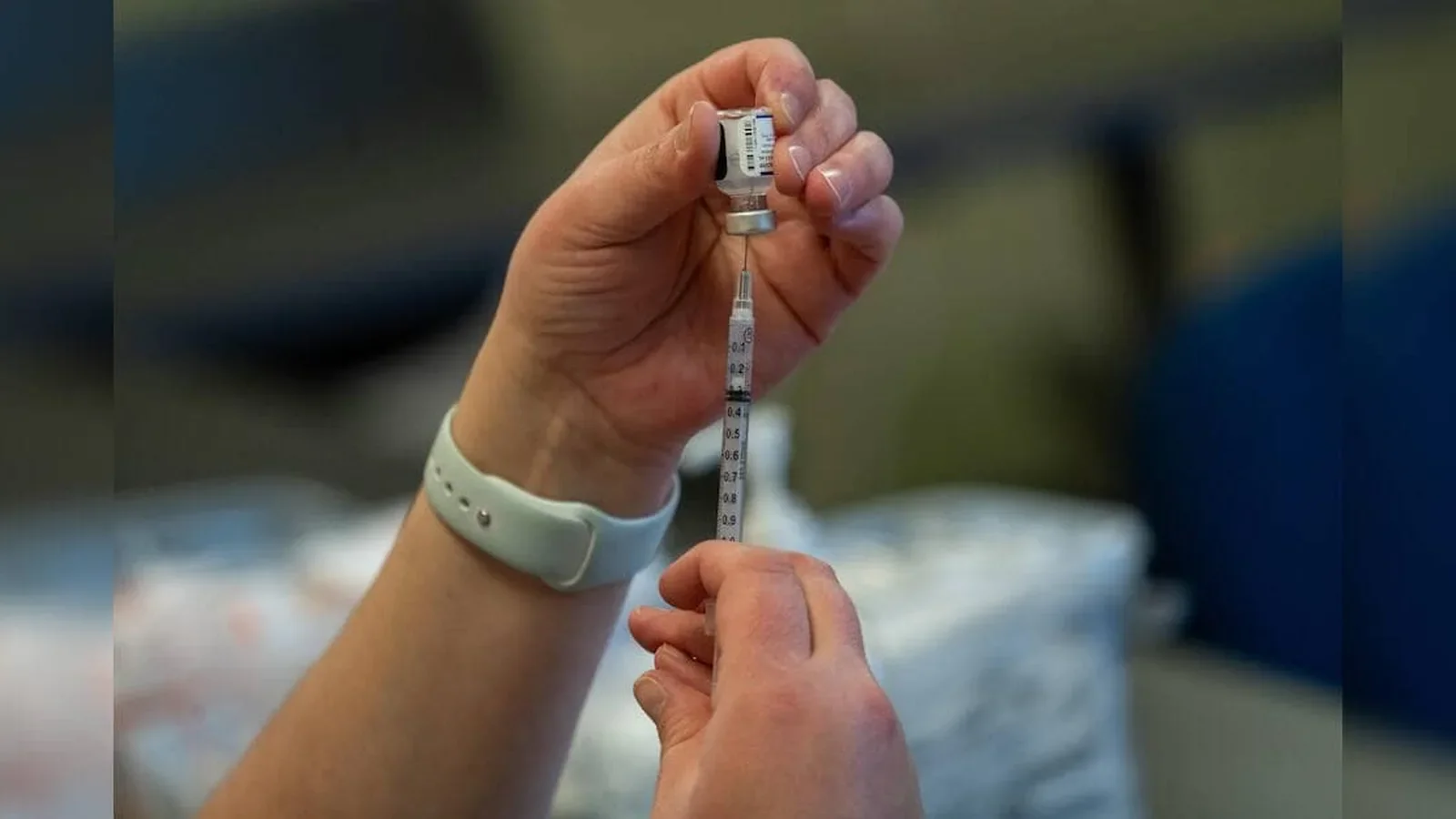
The recommendation was given to Human Biologicals Institute, the human health division of IIL, by the CDSCO Subject Expert Committee on vaccines, according to the panel's minutes of the meeting dated 12 November, reviewed by Business Standard. The vaccine was developed in partnership with Australia's Griffith University. It is a recombinant live attenuated Zika vaccine, freeze-dried.
The trial protocol proposes a randomised, double-blind, placebo-controlled study in healthy adult volunteers aged 18 to 50 years, to evaluate safety, reactogenicity and immunogenicity.
The questions the panel raised in September
Human Biologicals Institute first submitted its Phase I protocol in September 2026. At its meeting on 23 September, the committee noted the firm had completed acute-dose and repeat-dose toxicity studies, animal immunogenicity and challenge studies, but had not submitted the scientific rationale for dose selection, statistical justification for the sample size, the 3:1 randomisation ratio, or cohort selection based on non-clinical findings, and had submitted only a summary of the non-clinical studies rather than the complete reports.
At its November meeting, the committee reconsidered the proposal after the institute submitted the dose rationale and complete non-clinical study reports covering single-dose and repeat-dose toxicity, including immunogenicity studies.
Why Zika matters most in pregnancy
IIL signed a memorandum of agreement with the Indian Council of Medical Research (ICMR) two years ago to develop the vaccine. Under the agreement, ICMR will bear the costs of Phase I trials, including trial conduct, investigations and monitoring. The trials will be conducted at ICMR network sites across India.
The recommendation is a regulatory step towards human trials. Starting the study will depend on subsequent regulatory permission and trial arrangements. No date has been announced.
Zika is a mosquito-borne infection transmitted mainly by Aedes mosquitoes. No vaccine against the disease is currently available, according to UNICEF. Zika infection is typically mild and often does not need specific treatment, but it can have severe consequences for pregnant women, potentially causing microcephaly and other congenital abnormalities in infants. In some cases it may also result in Guillain-Barre syndrome, a neurological disorder. India has had sporadic, localised outbreaks of Zika since its first confirmed cases in 2016. No confirmed cases of Zika-associated microcephaly or Guillain-Barre syndrome have been reported in India to date.