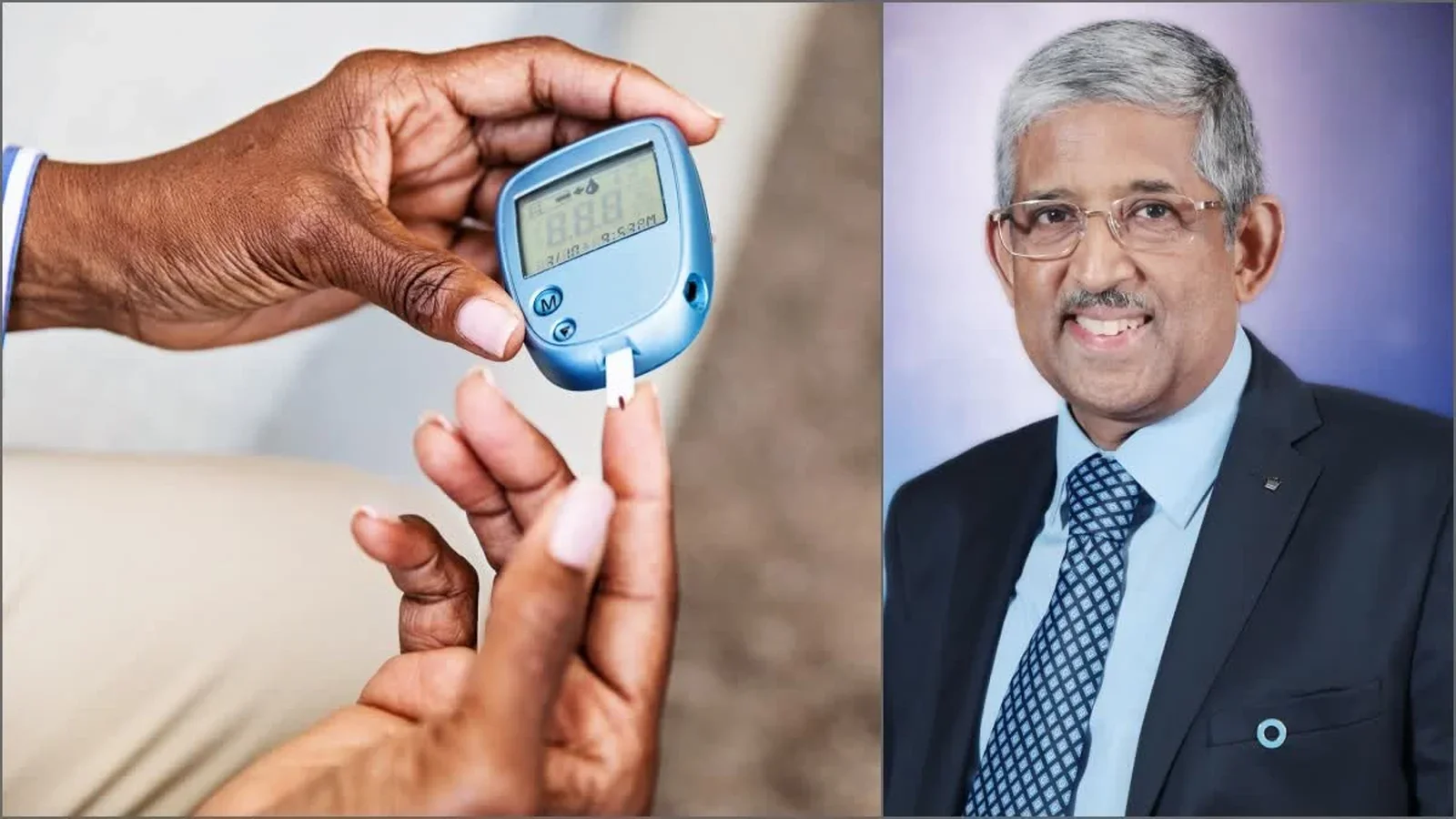
The Dr V Mohan Diabetes Golden Jubilee Awards recognise people who have lived with Type 2 diabetes for 50 years or more. The awards were created to challenge the belief that diabetes rules out a long, healthy and fulfilling life. They are organised by Dr Mohan's Diabetes Specialities Centre and the Madras Diabetes Research Foundation, in association with the Hinduja Foundation, and the awards also felicitated students with Type 1 diabetes who have achieved academic excellence.
Their stories reveal a common thread: consistency, discipline, regular medical care and the determination not to let the condition take over their lives. As Dr Mohan puts it, "Consistency is much more important than perfection."
One common feature he noticed among the survivors was discipline and consistency. They understood that diabetes management is not something done for a few months or years, but a lifelong commitment. All of them followed their doctors' advice, took their medicines regularly, paid attention to their food habits and remained physically active. They also learnt to live with diabetes without allowing it to dominate their lives.
No shortcuts, and no limits for children
Another important quality was a positive attitude. The survivors did not constantly worry about the disease, Dr Mohan said. Instead, they made diabetes management a part of their daily routine. One lesson modern medicine can learn from them, he said, is that there are no shortcuts: modern medicines and technologies are extremely useful, but they work best when combined with healthy habits, regular follow-ups and patient commitment.
For children with Type 1 diabetes, his first message to parents is never to limit a child's dreams because of diabetes. Children with Type 1 diabetes can become doctors, engineers, scientists, athletes or pursue any career they choose, he said. Parents and teachers should ensure children have access to their insulin, food, water and glucose monitoring devices when needed, and schools should have teachers who understand how to recognise and respond to low blood sugar levels.
Young adults, he advised, should learn to balance their meals, insulin doses, physical activity and daily schedules. Technology such as continuous glucose monitoring devices can help them understand their blood sugar patterns. Most importantly, children should never feel ashamed or embarrassed about having diabetes, he said: it is a medical condition, not a limitation on their abilities.
Eating wisely and moving daily
Dr Mohan highlighted three daily habits that separate long-term thriving from short-term burnout. The first is to eat wisely rather than follow extreme diets. People do not have to give up all their favourite foods, he said; they should learn to eat the right quantities, include more vegetables and fibre, choose healthy protein sources and avoid excessive sugar and highly processed foods.
His simple rule for balancing traditional carbohydrates like rice or roti is the plate method: fill half the plate with vegetables, one quarter with protein-rich foods such as dal, pulses, paneer, fish or eggs, and the remaining quarter with rice or roti. Whole grains and millets can be part of a balanced diet, and portion control matters, since even healthy foods can raise blood sugar if eaten in excessive quantities.
The second habit is to make physical activity a daily routine. Walking, cycling, swimming, yoga or even climbing stairs can make a difference, and no expensive gym membership is needed. Small "movement snacks" help too: a five to ten-minute walk after every meal, two to three minutes of walking every 30 minutes at a desk job, and using the stairs instead of the lift. Adults should aim for at least 150 minutes of moderate physical activity every week, along with suitable strength-building exercises.
The third habit is a positive and consistent approach to life: not becoming discouraged by one high blood sugar reading or an occasional lapse. Diabetes management is a long journey, and small improvements every day matter more than trying to achieve perfection.
Sleep, stress and one message
Stress and inadequate sleep can both affect blood sugar levels, Dr Mohan said. When a person is stressed, the body releases hormones such as cortisol and adrenaline, which can increase blood glucose. Poor sleep can affect the body's ability to use insulin effectively. He advises a regular sleep schedule of around seven to nine hours a night, short breaks during work, and avoiding excessive screen time close to bedtime.
On monitoring, he said the frequency depends on the individual. For someone with prediabetes, checking blood sugar every day is generally not necessary, though a periodic assessment, usually including fasting blood glucose and HbA1c, is important, at least once a year. People taking insulin or medicines that can cause low blood sugar need more regular monitoring. Monitoring should serve a purpose, he said, and should not become a source of unnecessary anxiety.
His one message to someone newly diagnosed is this: "Do not be afraid of diabetes, but do not ignore it either." Consult a qualified doctor, understand the condition, start the right treatment, make gradual changes to food habits, become physically active, maintain a healthy weight and attend regular follow-up appointments. His dream, he said, is a "Diabetes Complications Free World".