Senior cardiologists gathered at the annual conference of the Cardiological Society of India, Kerala Chapter, in Thiruvananthapuram have formally urged national health regulators to re-evaluate strict restrictions on reprocessing selected single-use cardiovascular devices.
Why cardiologists want a rethink
Specialist physicians argue that a scientifically validated, tightly monitored protocol for reusing specific high-cost equipment, such as certain diagnostic catheters and guidewires, could significantly reduce the out-of-pocket expenses associated with complex coronary angioplasties without compromising clinical safety.
The appeal arrives at a critical juncture for cardiovascular care in India, where an escalating burden of ischemic heart disease coincides with rising procedural expenses, putting advanced, life-saving therapies out of reach for millions of working families.
The cost squeeze in the cath lab
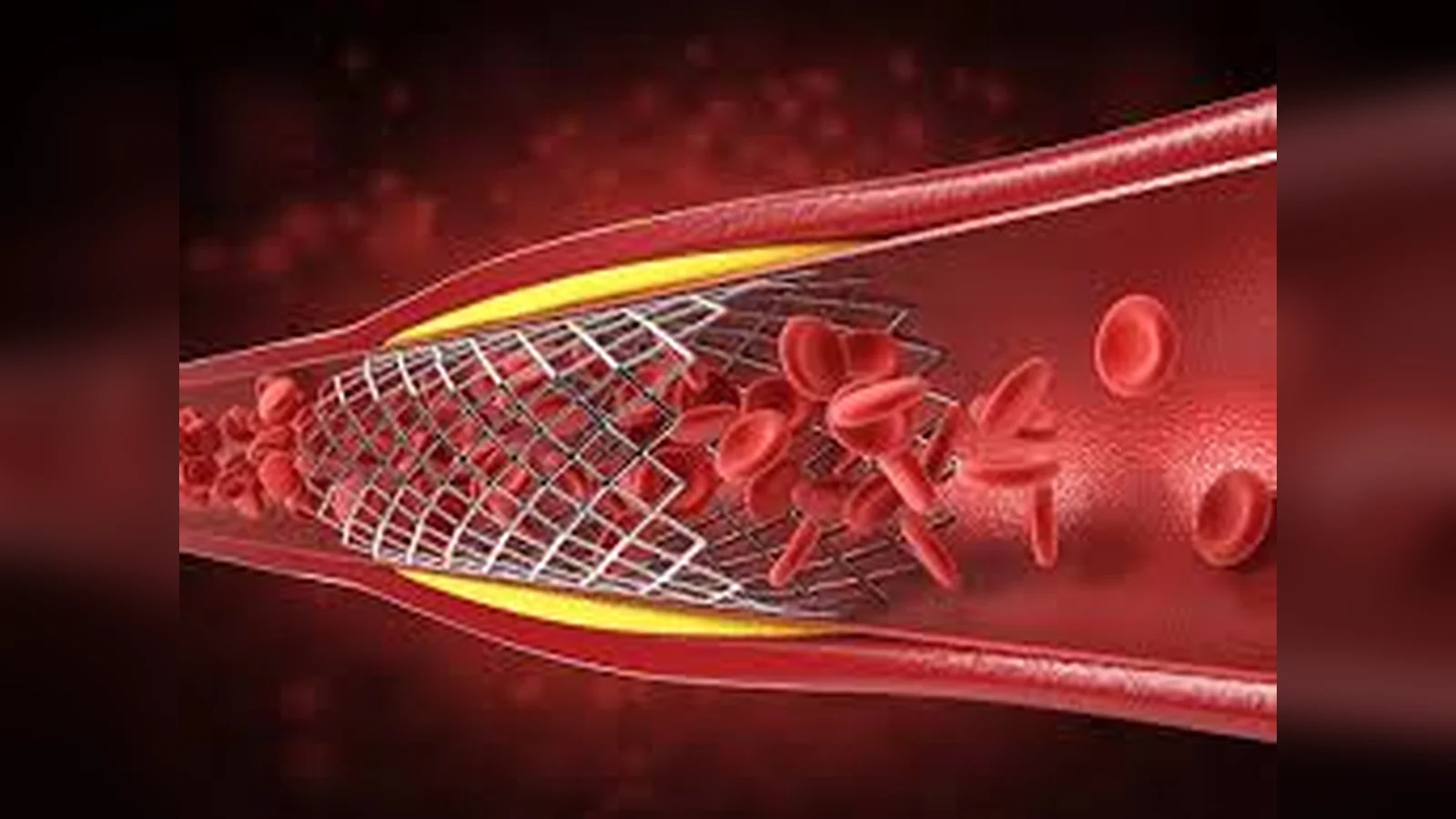
Coronary angioplasty, known clinically as percutaneous coronary intervention, is a minimally invasive procedure designed to clear blockages in heart arteries and restore vital blood flow. Interventional cardiologists thread a thin, flexible tube called a catheter through a blood vessel, typically in the wrist or groin, navigating it to the coronary circulation.
While routine angioplasty has become standardised, treating complex blockages such as heavily calcified arteries, bifurcations or total occlusions demands sophisticated intravascular imaging, specialised guiding catheters, microcatheters and multiple high-precision guidewires. These specialised consumables escalate procedure costs substantially.
What the conference leaders said
Addressing delegates at the conference, Dr Asokan P. K., President of the CSI Kerala Chapter, highlighted that technological innovations such as high-resolution intravascular ultrasound and newer-generation drug-eluting stents have dramatically improved survival and outcomes for high-risk patients. However, the accompanying financial strain remains a formidable barrier.
Dr Prathap Kumar N., Organizing Chairman of the conference, pointed to a widening disparity between hospital expenditure and public assistance. He said the increasing cost of complex angioplasty, particularly procedures requiring multiple specialised devices, has become a significant concern, adding that a marked gap persists between actual procedural expenses and reimbursement packages sanctioned under government-sponsored health insurance programs. This shortfall frequently leaves low- and middle-income families exposed to catastrophic medical expenses.
The regulatory impasse
The central hurdle confronting hospitals is the regulatory framework enforced by India's Directorate General of Health Services. Under current mandates, devices designated by original manufacturers as single-use must be discarded after a single patient contact.
Furthermore, standard hospital empanelment agreements under the Central Government Health Scheme, reaffirmed in guidelines dated December 22, 2025, explicitly prohibit the reuse of disposable equipment like catheters and guidewires, classifying any off-label reuse as a severe contractual breach. Manufacturers label devices as single-use primarily because their initial design specifications, narrow lumens and sensitive coatings are validated only for one-time performance.
What the evidence shows
The debate surrounding device reuse in cardiology is neither novel nor unique to India, but the clinical evidence presents a nuanced picture. A landmark consensus paper published in the Indian Heart Journal in 2017 by Dr Aditya Kapoor and colleagues highlighted that controlled cardiovascular catheter reprocessing could yield notable economic and ecological benefits, with strict preconditions including reuse restricted to validated, non-implantable devices, rigorous microbiological testing, physical inspection for structural fatigue, full patient informed consent and an ethical mandate ensuring that cost savings are passed directly to the patient.
A systematic review published in GMS Hygiene and Infection Control in June 2025 evaluated 10 international studies covering 2,657 participants across catheterization and implantable devices. In examining safety metrics between factory-new devices and those reprocessed once, the pooled analysis found no statistically significant difference in infection rates, with an odds ratio of 0.67 and a 95 percent confidence interval of 0.37 to 1.20. Despite these promising safety data, the study's authors urged caution, rating the overall certainty of existing evidence as very low.
Safety risks and the way forward
Reprocessing medical equipment involves far more than conventional sanitization. Catheters and guidewires feature microscopic lumens, hydrophilic coatings and delicate polymer jackets that come into direct contact with blood and vascular tissue. Inadequate cleaning risks leaving behind microscopic bioburden or endotoxins, which can trigger severe systemic infections or sterile inflammatory responses.
Conversely, aggressive chemical sterilization can cause micro-fractures, strip lubricious coatings or reduce tensile flexibility. A compromised guidewire could bend, unravel or even fracture inside a coronary artery during intervention, turning a routine case into a surgical emergency. Experts agree that if India revisits its policies, the regulatory architecture must include clear device-specific eligibility criteria, certified third-party reprocessor licensing, batch traceability, adverse-event tracking and formal informed consent protocols.
Costs beyond the stent
India has tackled cardiovascular affordability before. In February 2017, the National Pharmaceutical Pricing Authority imposed statutory price caps on coronary stents, slashing ceiling prices by up to 74 percent for bare-metal stents and 85 percent for drug-eluting stents.
While the move democratised access to stents, it left auxiliary consumables untouched. In high-complexity interventions, the cost of guide catheters, microcatheters, rotational atherectomy burrs and imaging probes can rapidly eclipse the cost of the stent itself. Independent health-policy analysts emphasise that any potential regulatory shift must guarantee financial transparency, so that if hospitals are granted permission to use validated reprocessed devices, itemised billing must reflect those savings for the patient.
FAQs
Q: What are cardiologists asking for?
A: A review of strict curbs on reprocessing selected single-use heart devices, such as certain diagnostic catheters and guidewires, under a validated and tightly monitored protocol.
Q: Why is reuse currently not allowed?
A: The Directorate General of Health Services mandates single-use disposal, and Central Government Health Scheme empanelment agreements explicitly prohibit reuse of disposable equipment.
Q: Is reuse of heart devices an approved practice now?
A: No. Regulated device reuse remains an active scientific proposal, not approved practice, and empanelled centres under public health coverage operate under strict single-use regulations.