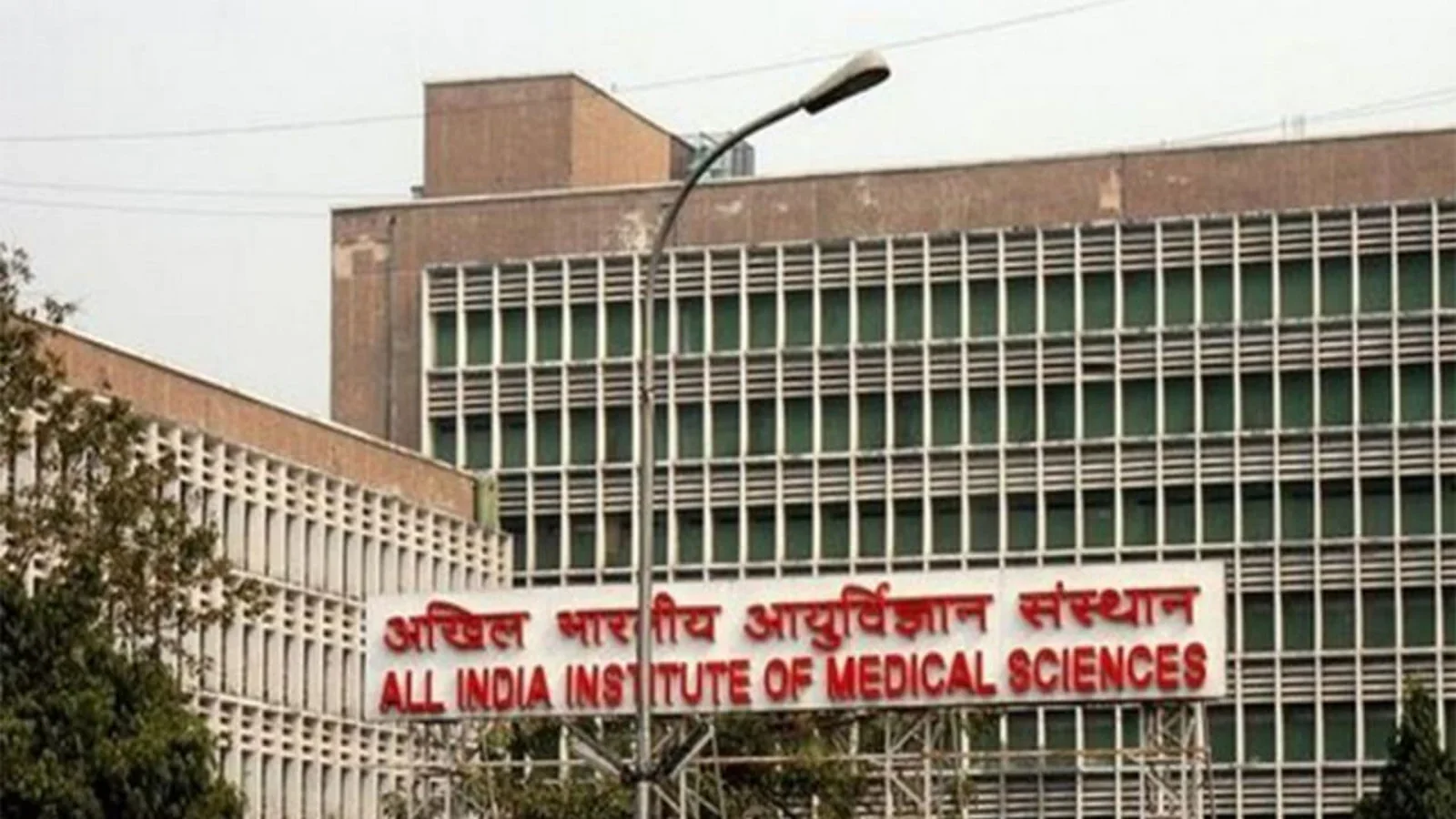
Myelomeningocele is an open neural tube defect in which the spinal cord and its coverings protrude through an opening in the spine. Children affected by the condition can develop paralysis, hydrocephalus and other lifelong neurological disabilities. The operation repaired the cerebrospinal-fluid-leaking defect in utero, aiming to prevent further damage to the developing spinal cord.
The surgery followed more than five weeks of multidisciplinary planning, detailed foetal imaging, counselling, anaesthetic preparation and operative simulation, the hospital said. More than 30 clinicians and nurses from obstetrics and gynaecology, maternal-foetal medicine, neurosurgery, obstetric and neuroanaesthesia, plastic surgery, radiodiagnosis and neonatology took part.
The neurosurgical component was led by Professor Deepak Gupta, while the maternal-foetal medicine and obstetric teams were led by Professor Neena Malhotra and Professor K Aparna Sharma. The multidisciplinary procedure was carried out at the Neurosciences Centre using high-end microscopy and continuous ultrasonography assistance.
A new capability for India
"This establishes an important new capability for fetal care and paediatric neurosurgery in India," said Dr Gupta, who is President of the Indian Society for Pediatric Neurosurgery. He stressed that the procedure is a treatment for carefully selected cases, not a cure.
"In rigorously selected cases, prenatal repair seeks to limit ongoing injury to exposed neural tissue, reduce the subsequent need for cerebrospinal-fluid diversion for hydrocephalus, and improve selected neurological outcomes. It is not a cure, and long-term multidisciplinary care remains essential," he said.
International evidence supports prenatal repair in carefully selected cases. The Management of Myelomeningocele (MOMS) trial found that 40 percent of children who underwent prenatal repair required cerebrospinal-fluid shunt placement by 12 months, compared with 82 percent after postnatal repair. Prenatal surgery was also associated with improved motor outcomes and reduced Chiari II hindbrain herniation.
Foetal surgery carries significant risks, however, including prematurity and complications related to the uterine scar, and it is recommended only in specialised centres and carefully selected pregnancies. "The safety of both mother and fetus depends on detailed counselling, high-quality anaesthesia, and coordinated surveillance before and after surgery," said Professor Sharma.
Free treatment, and a 14-year journey
The procedure was provided free of cost to the family under the Government of India's Janani Shishu Suraksha Karyakram (JSSK). The mother and foetus will continue to undergo close multidisciplinary monitoring through the remainder of pregnancy, delivery and the newborn period, the hospital said.
AIIMS said the procedure marked the culmination of efforts to develop foetal spinal surgery capability at the institute. "Fourteen years ago, we spoke of the possibility of foetal spinal surgery at AIIMS. Today, that possibility has become a reality. Our next responsibility is to make it safe and accessible to the Indian families who may benefit from it," the hospital said.
The doctors emphasised that foetal surgery is a treatment for selected pregnancies and not a substitute for prevention of neural tube defects. Neural tube closure occurs around 28 days after conception, often before a woman knows she is pregnant, so preconception folic-acid counselling, evidence-based folate fortification and stronger national surveillance remain important measures to reduce the burden of such defects.
A 2024 systematic review of 27 Indian studies estimated the pooled prevalence of neural tube defects in India at 9.46 per 1,000 births, while highlighting the need for stronger national surveillance.