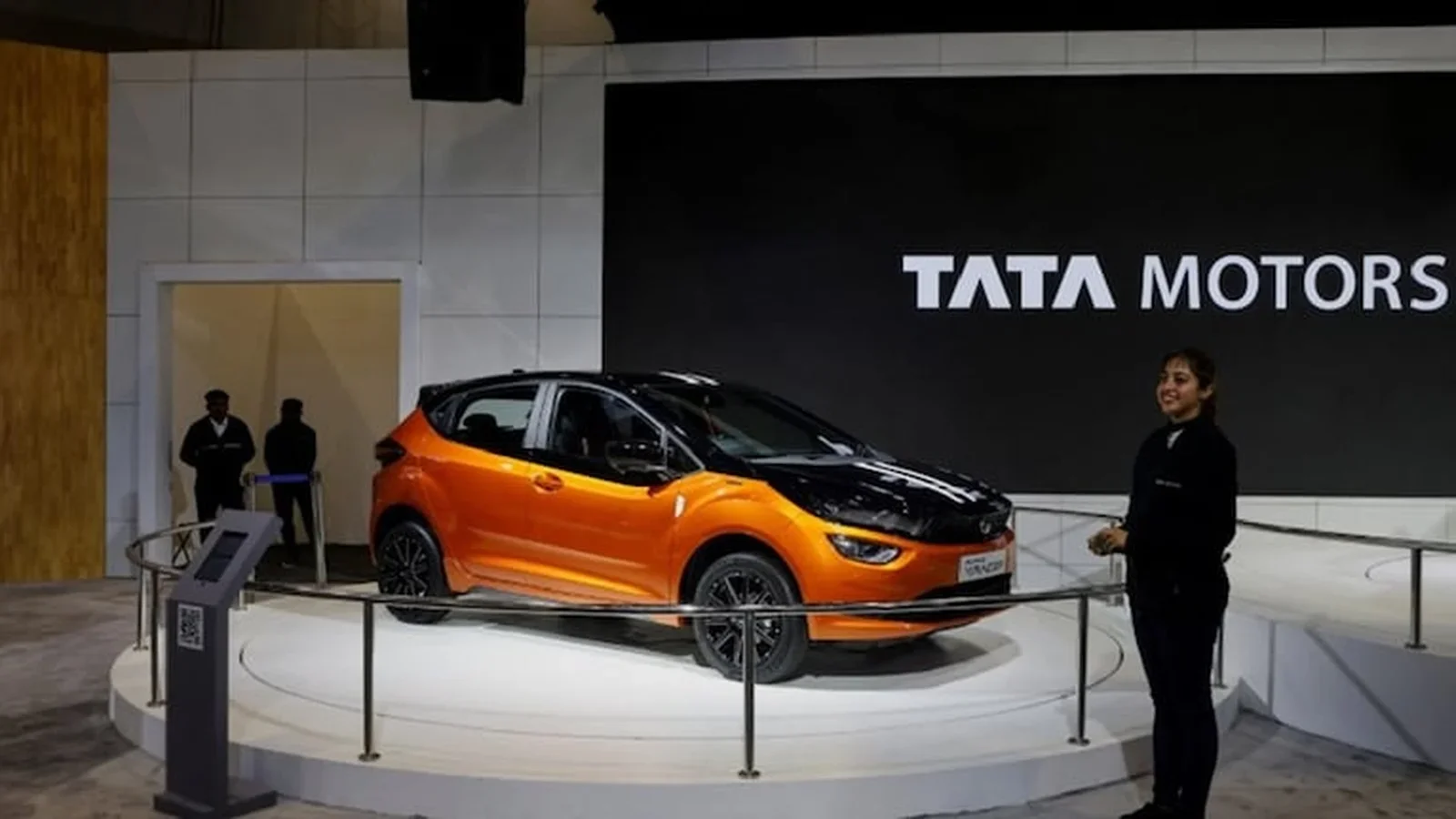
The result marks a turnaround of Rs 240 crore from the losses the passenger vehicle arm reported in the same quarter last year. Standalone revenue jumped by more than 48 percent to Rs 19,201 crore, driven by strong demand across the portfolio.
Tata Motors Passenger Vehicles was the last of India's four major carmakers to post its second-quarter earnings on Friday. Its revenue growth outpaced its rivals: Hyundai Motor India saw a rise of more than 18 percent, Maruti Suzuki a 26 percent rise and Mahindra and Mahindra a 27 percent rise.
Profits tell a mixed story across the industry
On standalone net profit, only Mahindra and Mahindra saw an improvement, of almost 13 percent. Both Maruti Suzuki and Hyundai Motor India saw their net profit fall by close to 25 percent.
Higher operating tax expenses and cost inflation weighed on all four major carmakers, according to the report. Mahindra and Tata seem to have kept a handle on operating margins, as well as cut down on exceptional and one-time losses.
Hyundai Motor India saw employee benefit expenses and operational costs weigh on its bottom line, while tax expenses ate a large chunk of Maruti Suzuki's earnings.
Alternative powertrains now more than half the business
One of the key things to note is that Tata Motors Passenger Vehicles saw alternative powertrain offerings take up more than half of its India business. Electric vehicle penetration at the end of the second quarter was 23 percent, and CNG stood at 28 percent.
Traditional petrol and diesel powertrains made up the rest, at 37 percent and 12 percent respectively. The shift shows how far electric and CNG models have moved from niche options to the core of the company's India sales.
The company noted robust demand momentum across the portfolio, with the Tata Punch emerging as its number one model in India in the second quarter.
Jaguar Land Rover delivered operating profits while navigating a challenging environment, the company said. JLR contributed operating revenue of Rs 75,420 crore in the quarter, taking Tata Motors Passenger Vehicles' consolidated quarterly revenue to Rs 96,920 crore.
Debt and the road ahead
Net debt stood at Rs 50,000 crore at the end of the quarter and is likely to peak in FY2027, the company said, adding that it remains committed to reducing debt.
Going forward, Tata Motors Passenger Vehicles will look to keep its electric vehicle market leadership as it widens its portfolio in India. On the global front, it plans to push the JLR brand harder in North America through strategic partnerships.