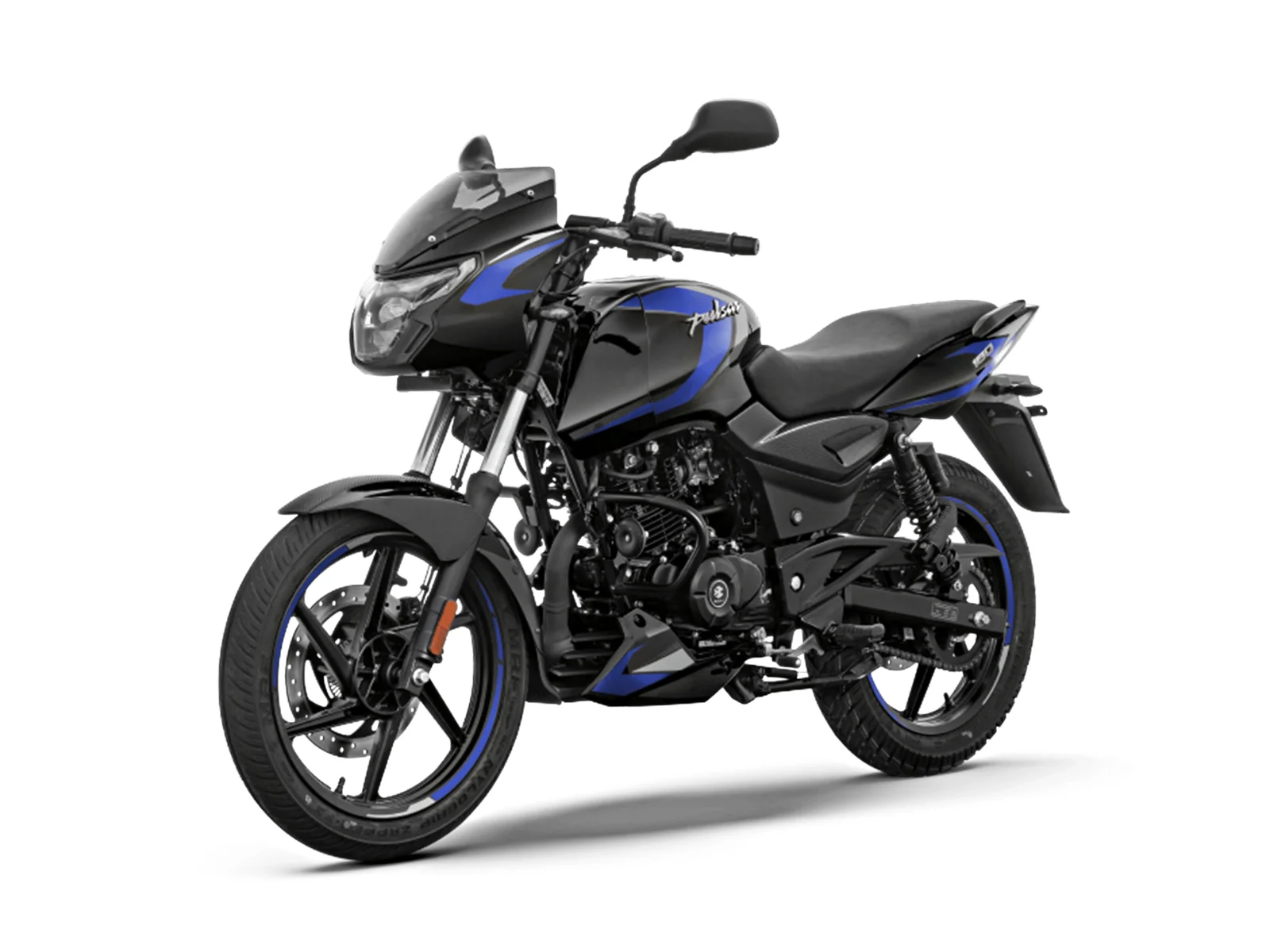
Bajaj has quietly removed the Pulsar 180 from its official website, barely six months after relaunching the sports commuter in April 2026. The move points to a second discontinuation for the model in five years, although Bajaj has not issued an official statement confirming it.
The Pulsar 180 has disappeared from the "Original" category on Bajaj's website, while the Pulsar 125, Pulsar 150 and Pulsar 220F remain listed. Autocar India reported the delisting on November 16, after Bajaj and KTM refreshed their India websites.
Pulsar 180: a short second innings
Bajaj brought the Pulsar 180 back in April 2026 at Rs 1.22 lakh ex-showroom, four years after discontinuing it in 2022. The relaunch was widely seen as a move to take on the TVS Apache RTR 180 in the sports commuter segment.
The second stint lasted only about seven months. Bajaj has not explained the removal, and it remains unclear whether the motorcycle will be relisted on the website. Dealers are expected to sell whatever stock they still hold.
Why Bajaj may have dropped the 180
The most likely reason is weak demand. Bajaj has a history of pulling motorcycles that fail to meet sales expectations, and it dropped the Pulsar N125 from its range in June this year. The Pulsar 180's short second innings suggests buyers did not return to the model in the numbers Bajaj hoped for.
Bajaj has also confirmed that the Pulsar 180 will not receive the next-generation treatment given to the Pulsar 125 and Pulsar 150, which were launched in updated form on August 24, 2026 for the brand's 25th anniversary. At a media question-and-answer session in Pune, the company said there would be no major updates to the Classic Pulsar 180 in the future.
Pulsar 180 engine, features and price
The 2026 Pulsar 180 went on sale with a 178.6cc, single-cylinder, air-cooled engine that makes 16.76hp at 8,500 rpm and 14.2Nm at 6,500 rpm, paired with a 5-speed gearbox. Real-world fuel efficiency was expected to be around 40 to 42 km/l.
The motorcycle used conventional telescopic front forks and twin rear shock absorbers, with disc brakes on both wheels and single-channel ABS. It rode on 17-inch alloy wheels with tubeless tyres.
For the 2026 update, Bajaj kept the Pulsar 180's core design intact and updated the details instead. The bike came with LED lights, fresh graphics and a semi-digital LCD cluster that showed call and SMS alerts, along with the familiar beefy fuel tank and upright riding posture.
At Rs 1.22 lakh ex-showroom, the Pulsar 180 sat between the Pulsar 150 and larger bikes such as the NS200. Buyers who still want one should check with local dealers for remaining stock before it runs out.