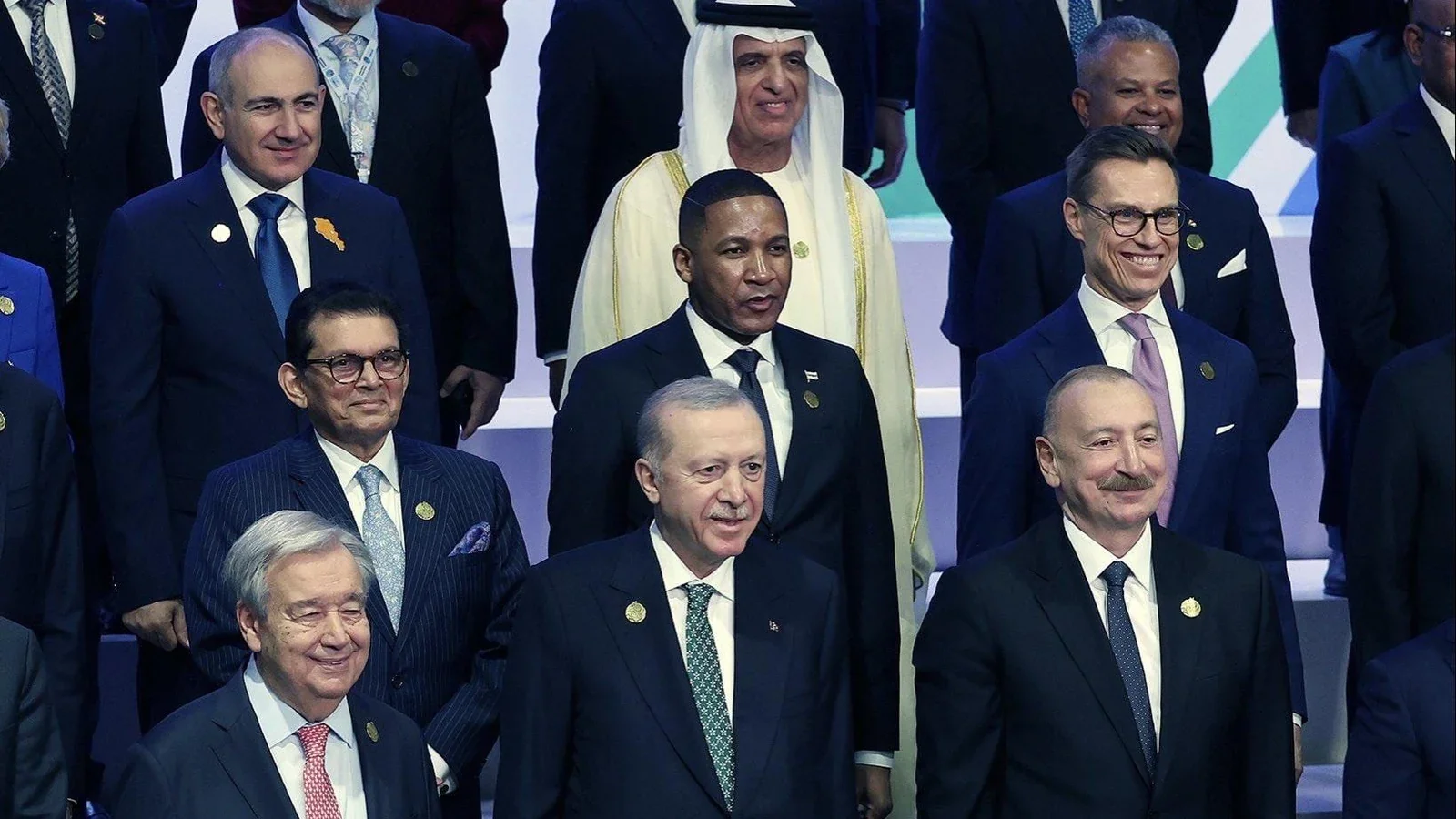
The UN's top climate official urged negotiators at the COP31 conference in Turkey on Saturday to move swiftly towards a deal and avoid tactical delays as the summit heads into its second and final week. Simon Stiell, the UN climate chief, told the summit that parties should move swiftly to the hardest issues as the annual conference confronts a deep divide over fossil fuels.
Big fossil fuel producers and consumers at the talks are resisting any deal that would specify firm new targets or a shift away from oil, gas and coal, observers said on Friday as the first week of talks drew to a close. That poses a challenge for summit host Turkiye and lead negotiator Australia, which has another week to land the kind of ambitious agreement climate advocates say is needed to address the worsening impacts of global warming.
Major oil producers such as Saudi Arabia and Russia have traditionally resisted language constraining fossil fuels, while large developing economies such as India have opposed measures they say could limit their development and energy choices, a dynamic that has compromised the outcomes of past deals.
The world's biggest oil consumer, the United States, has skipped the talks for the second year in a row under President Donald Trump, who has called global warming a hoax and promoted continued use of fossil fuels. A UN report last month found the world is already on course to exceed the 1.5 degrees Celsius warming threshold, a limit scientists say should prevent the worst effects of climate change.
Turkiye pushes electrification to the centre
COP31 host Turkiye is striving to place a proposal to expand global electrification at the centre of an eventual deal, saying the plan will lead to faster emissions cuts by speeding the shift away from fossil fuel-powered cars, boilers, furnaces and other equipment.
British Prime Minister Andy Burnham backed a proposal by Turkiye to increase electricity's share of world energy consumption to 35 percent by 2035, from a little over a fifth now. European leaders lined up behind the electrification proposal, while developing countries asked for more finance from rich ones.
Australia, which is leading negotiations under a split presidency arrangement, spent the first few days of the summit gathering views on what should be included in a political text agreed by consensus. Australia is taking further submissions from countries until Saturday night, with a view to formulating a draft text early next week.
On Friday, the COP31 Presidency released a summary of reflections on the proposed cover decision, setting out options for the outcome including proposals to advance the transition away from fossil fuels, recognition of the critical role of forests and oceans, and a response to the urgency of the 1.5 degree overshoot. Greenpeace said the options were not yet agreed commitments and needed to be strengthened, not diluted.
Island states plead for urgent cuts
Small island states, among the most vulnerable in the world as global warming makes sea levels rise, pleaded for urgent cuts to greenhouse gas emissions in two days of intense speech-making by world leaders. Amy Pope, director general of the International Organization for Migration, warned that more than 200 million people were living in highly climate-vulnerable communities at risk of displacement.
Fossil fuel producers defended continued use of hydrocarbons. Venezuela's acting President Delcy Rodriguez told the conference that her country reaffirmed its sovereign right to strengthen its energy and oil industry as a driver of national development.
Chris Bowen, Australia's COP31 president of negotiations, said his job was to steer consensus to the strongest, most ambitious possible outcome within the constraints of a consensus-driven process. The annual UN climate conference faces new challenges this year as a slew of crises from war to inflation push global warming down the list of priorities for world governments.