Kharna, the second day of the four-day Chhath Puja festival, is observed today, Saturday, 14 November, with devotees preparing traditional offerings and fasting from sunrise to sunset. Also known as Lohanda, the ritual holds special importance for devotees observing the Chhath vrat, as it marks the start of the festival's most demanding phase.
Chhath Puja 2026 runs over four days from 13 to 16 November, according to Drik Panchang. The festival began with Nahay Khay on Friday, 13 November. Kharna falls on Saturday, 14 November, followed by Sandhya Arghya, the offering to the setting Sun, on Sunday, 15 November. The festival concludes on Monday, 16 November with Usha Arghya, the offering to the rising Sun, and Parana, when the fast is finally broken.
On Kharna, devotees observe a fast from sunrise until evening. Traditionally, the fast is observed without consuming food or water. After sunset, devotees perform the evening rituals and offer freshly prepared food to Surya Dev and Chhathi Maiya. The devotee then consumes the prasad, marking the completion of the day's fast.
Once the vrati has eaten, the nirjala fast begins. There is no food and no water for approximately 36 hours, until the Usha Arghya at dawn on Monday. Kharna is considered a day of discipline, devotion and spiritual preparation.
Gur kheer, roti and seasonal fruits
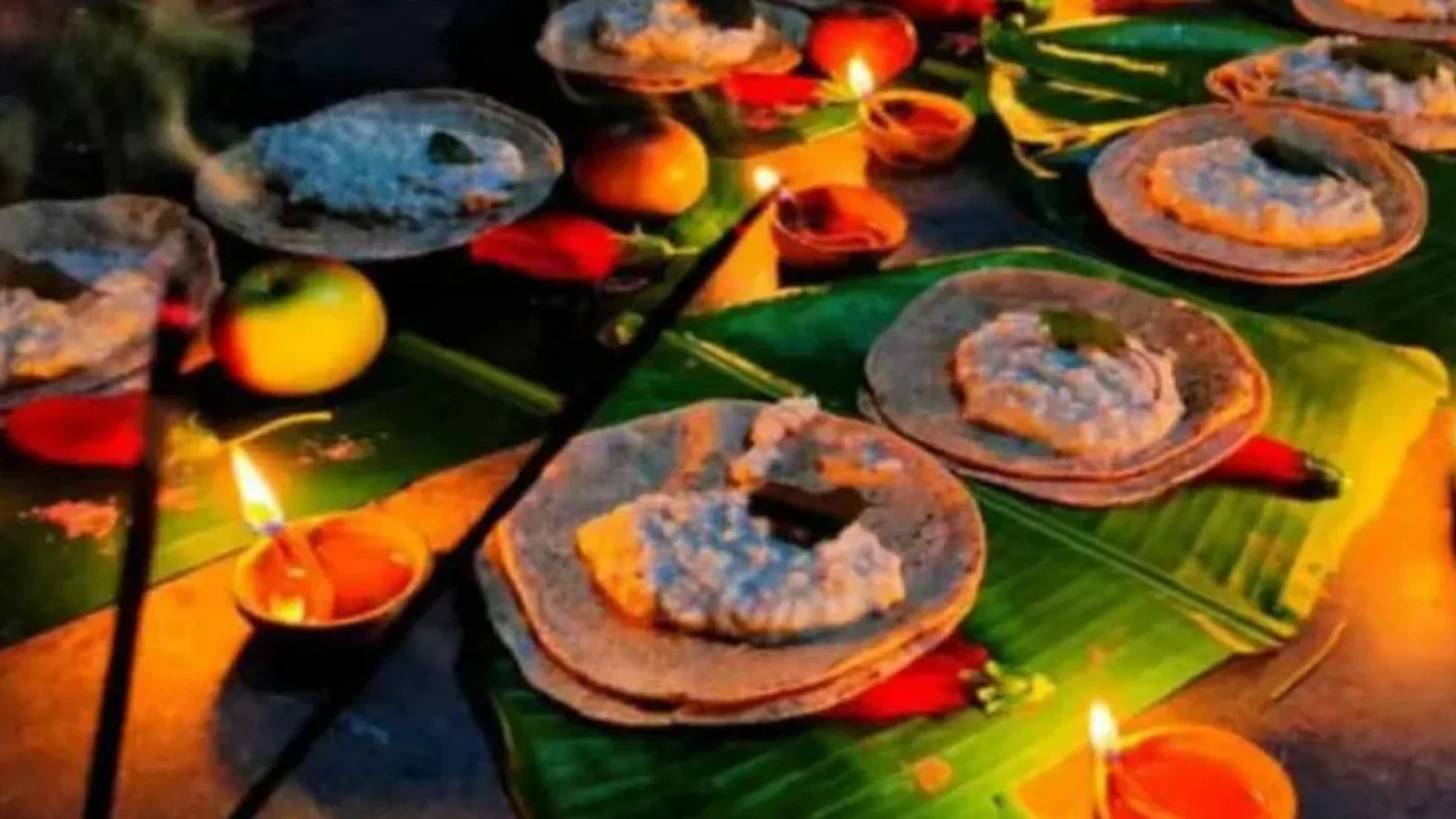
The traditional Kharna meal mainly consists of two preparations: gur ki kheer and wheat roti. Gur ki kheer, popularly known as Rasiyaw or Rasiya in Bihar, is the most important preparation associated with Kharna. It is traditionally made using rice, milk and jaggery instead of refined sugar, with the rice slowly cooked in milk until it reaches a creamy consistency.
Whole-wheat roti, also known as Sohari in some regional traditions, is another essential part of the Kharna offering. The rotis are prepared using wheat flour and water, then cooked carefully, and may be served with a little pure desi ghee, depending on family traditions. Bananas and other seasonal fruits are commonly included in the prasad and arranged alongside the kheer and roti during the evening worship.
Kharna prasad is traditionally simple, vegetarian and sattvik. The food is prepared without onion and garlic, and jaggery is commonly used instead of refined sugar. In many households, the prasad is prepared on an earthen stove using wood or dried cow dung cakes as fuel, with mango wood traditionally used in some families.
The preparation follows strict rules of cleanliness and ritual purity. Utensils are thoroughly cleaned, and some families prefer using new utensils specifically for the occasion. The food is not tasted during preparation: it is first offered to the deities as bhog before the devotees consume it.
The evening puja and the days ahead
The Kharna puja is generally performed in the evening after the food preparations are complete. The devotee cleans the designated worship area in the house or courtyard, and an auspicious space is arranged for the puja. In many households, alpana or rangoli designs are drawn to decorate the worship area.
Freshly prepared Rasiyaav, roti or Sohari, bananas and other traditional offerings are placed on clean plates or banana leaves. The devotee lights diyas and incense sticks and offers prayers to Surya Dev and Chhathi Maiya for the health, happiness and well-being of family members. The prasad is then consumed by the vrati, traditionally in a quiet and devotional atmosphere, and subsequently distributed among family members, relatives and neighbours.
Preparations for the days ahead are already under way. In Uttar Pradesh, the state government is running additional buses from Delhi to various districts in eastern Uttar Pradesh for Chhath Puja, and Chief Minister Yogi Adityanath has directed that no passenger should be charged more than the prescribed fare. Lakhs of devotees are expected to participate in celebrations across districts including Varanasi, Gorakhpur, Ballia, Azamgarh, Ghazipur, Lucknow, Ghaziabad and Kanpur.
On Sunday, devotees will gather at riverbanks, ponds and designated Chhath ghats to perform Sandhya Arghya, offering prayers to the setting Sun. According to Drik Panchang calculations, the Shashthi tithi, which gives the festival its name, begins late on Saturday night at about 11:23 PM. The festival ends with the Usha Arghya to the rising sun on Monday morning, followed by Parana.