India's retail inflation climbed to 6.09 percent in October, breaching the Reserve Bank of India's upper tolerance limit of 6 percent, as a sharp rise in food prices continued to push up household expenses.
Inflation, measured by the Consumer Price Index, rose from 5.54 percent in September to 6.09 percent in October, according to data released on November 12. The reading marks the ninth consecutive monthly increase, with the headline rate more than doubling from 2.74 percent in January.
Food prices drive the surge
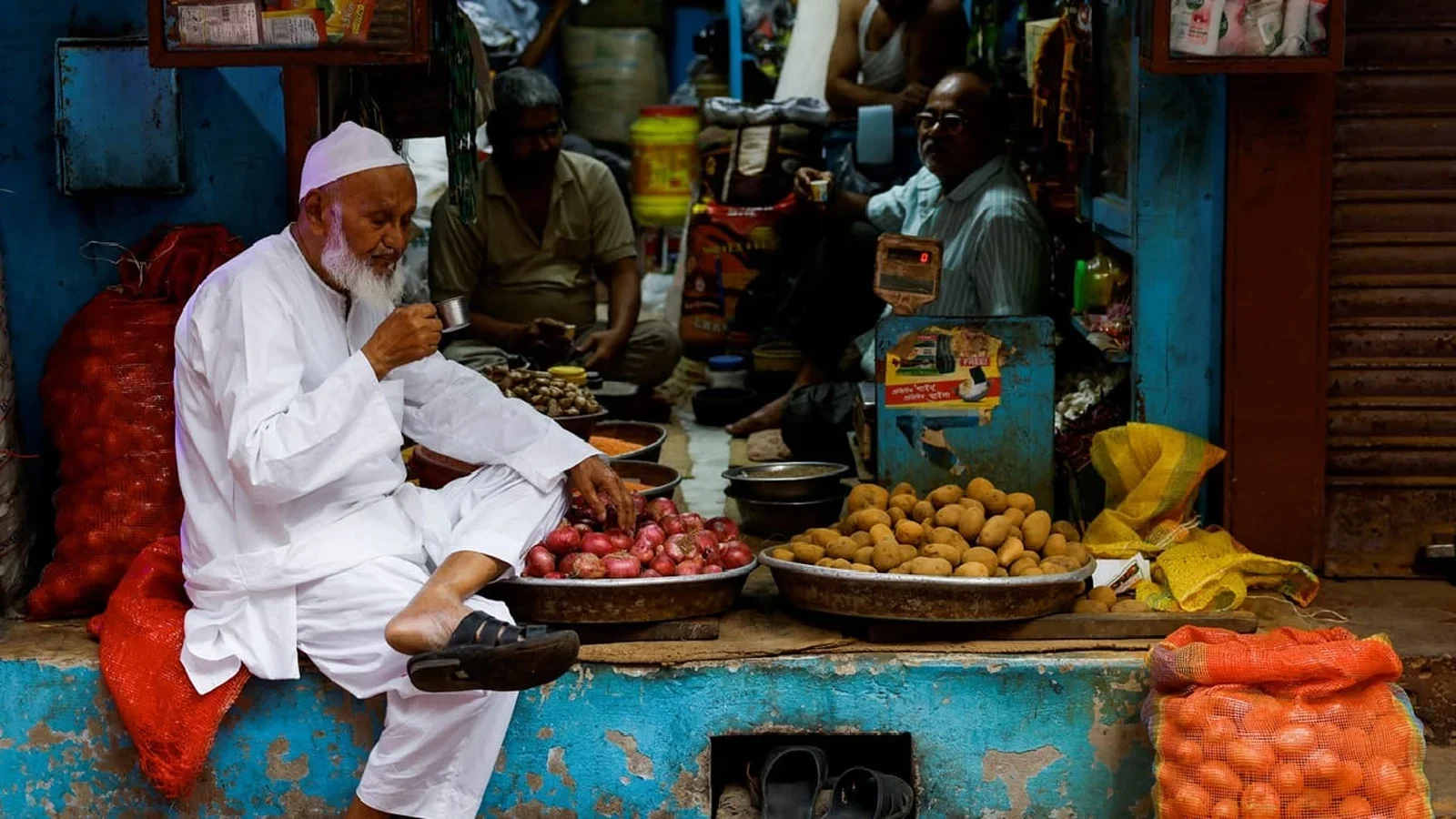
Food inflation accelerated to 8.94 percent in October from 7.74 percent in September. Onion prices surged 116.22 percent compared with the same month last year, accelerating from an already elevated 108.13 percent in September.
Garlic inflation increased to 60.74 percent from 54.62 percent, while lemon inflation rose to 47.30 percent from 36.41 percent. Ginger prices also rose sharply. The broader food and beverages category recorded inflation of 8.51 percent.
Not all vegetables became costlier. Potato prices declined 14.24 percent year on year, while cauliflower prices fell 10.57 percent. Brinjal and cabbage also recorded declines.
Rural areas hit harder
Inflationary pressures remained more pronounced in rural areas, where headline inflation increased to 6.63 percent in October from 6.08 percent in September. Urban inflation rose to 5.41 percent from 4.88 percent.
Food inflation in rural areas climbed to 9.09 percent from 8.06 percent, while urban food inflation increased to 8.68 percent from 7.18 percent.
Tamil Nadu recorded the highest headline inflation among major states at 7.29 percent, followed by Telangana at 7.26 percent and Andhra Pradesh at 7.25 percent.
Rate hike expected in December
With inflation beyond the RBI's 2-6 percent tolerance band, economists expect the central bank to raise interest rates again in December. Aditi Nayar, chief economist at ICRA, said a further 25 basis point hike in December appeared almost certain, with inflation set to remain above the 6 percent upper bound over the next couple of months.
The deficient monsoon and inadequate replenishment of reservoir levels have also heightened concerns about the outlook for the rabi crop, potentially keeping food inflation elevated for longer.