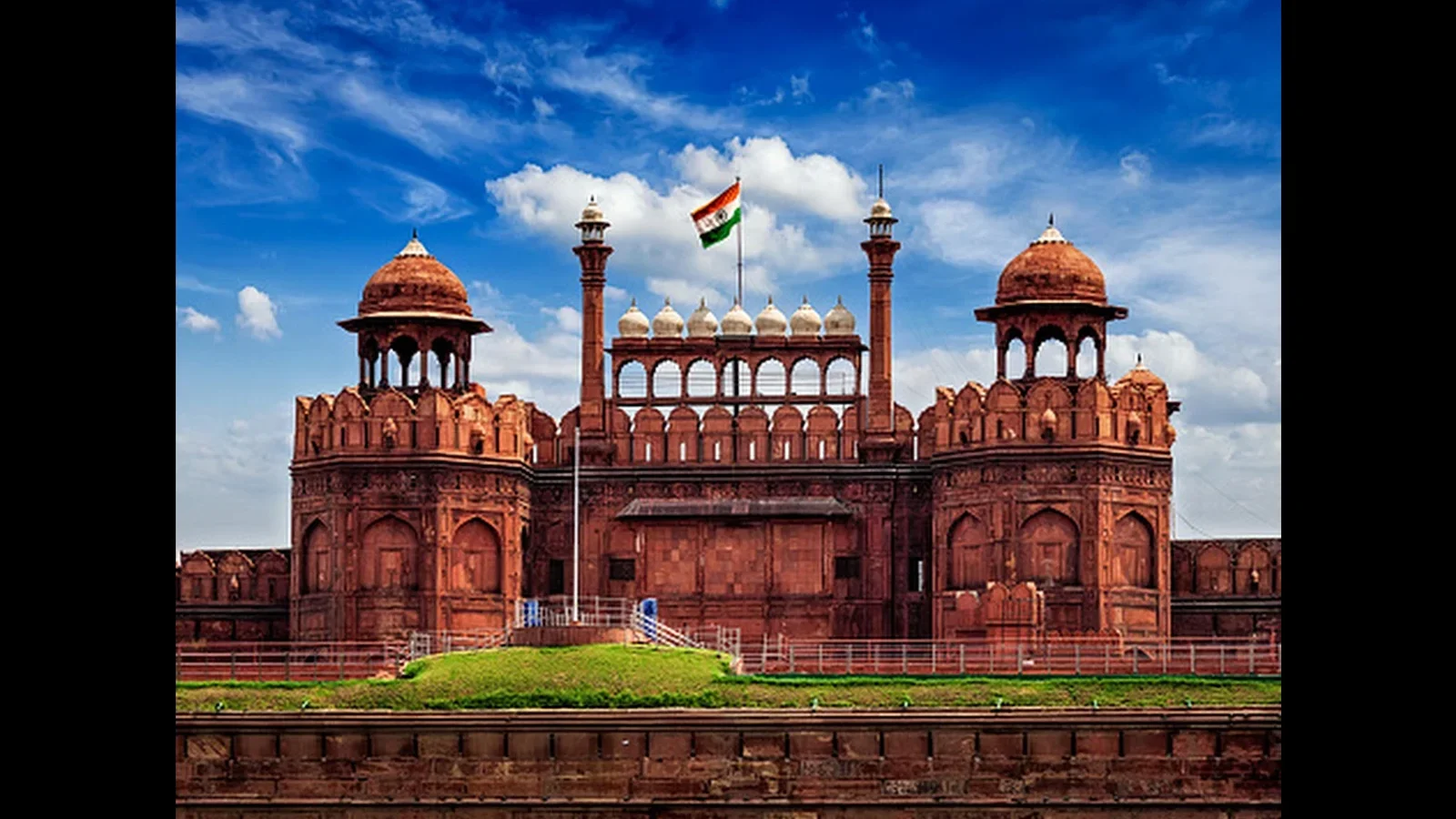
Tuesday, 10 November 2026, marks one year since the blast near the Red Fort in Delhi that killed 15 people and injured many more. Victims' families, survivors and traders in the area are still struggling a year on, according to reports published on the anniversary.
The blast happened on the evening of 10 November 2025, when a car exploded at a traffic signal near Gate No. 1 of the Red Fort Metro Station. The car was a Hyundai i20, and investigators said it was packed with ammonium nitrate and RDX, according to the reports.
The death toll is reported as 15, although some reports have given lower figures ranging from 11 to 15. The variation reflects the difficulty of confirming casualty figures in the hours after such an attack, and the higher figure is the one most commonly cited a year on.
Ankush Sharma, 27, a jewellery trader, was among those injured in the blast, losing sight in one eye and hearing in one ear, according to reports. His case is one of many in which survivors are still living with the injuries of that evening.
The investigation and the crackdown
The National Investigation Agency cracked the case within 24 hours, according to the reports. The blast exposed what investigators called a "Doctor Module", a network of highly educated professionals involved in the plot.
The chargesheet in the case names 13 accused, including the absconding paediatrician Dr Muzzafar Rather, who is believed to be hiding in Afghanistan. The suicide bomber was identified as Dr Umar Nabi, according to the reports.
A year-long crackdown since the blast has led to more than 300 arrests, officials told The Tribune in a report published on 9 November at 17:27 IST. Seventy-three high-value fugitives have been deported in the same period, according to the officials cited in that report.
The crackdown has extended well beyond Delhi. It has involved searches, arrests and deportations across the country as agencies followed the network behind the blast.
The policy response
The blast led to a new national counter-terrorism policy called PRAHAAR, the National Counter Terrorism Policy and Strategy. It was unveiled on 23 February 2026 and is built around a policy of zero tolerance towards terrorism, according to the reports.
For traders near the Red Fort, the anniversary is a reminder of a day that changed the area. Shops were damaged, customers stayed away for weeks, and some traders say business has still not fully recovered a year later.
For the families of the dead, the anniversary brings the loss back into focus. The legal process continues, with the chargesheet filed and the absconding accused still to be brought back.
A year on, the blast is remembered both as a human tragedy and as a turning point in India's counter-terrorism approach. The crackdown continues, and the policy it produced is now the framework for how such threats are handled.