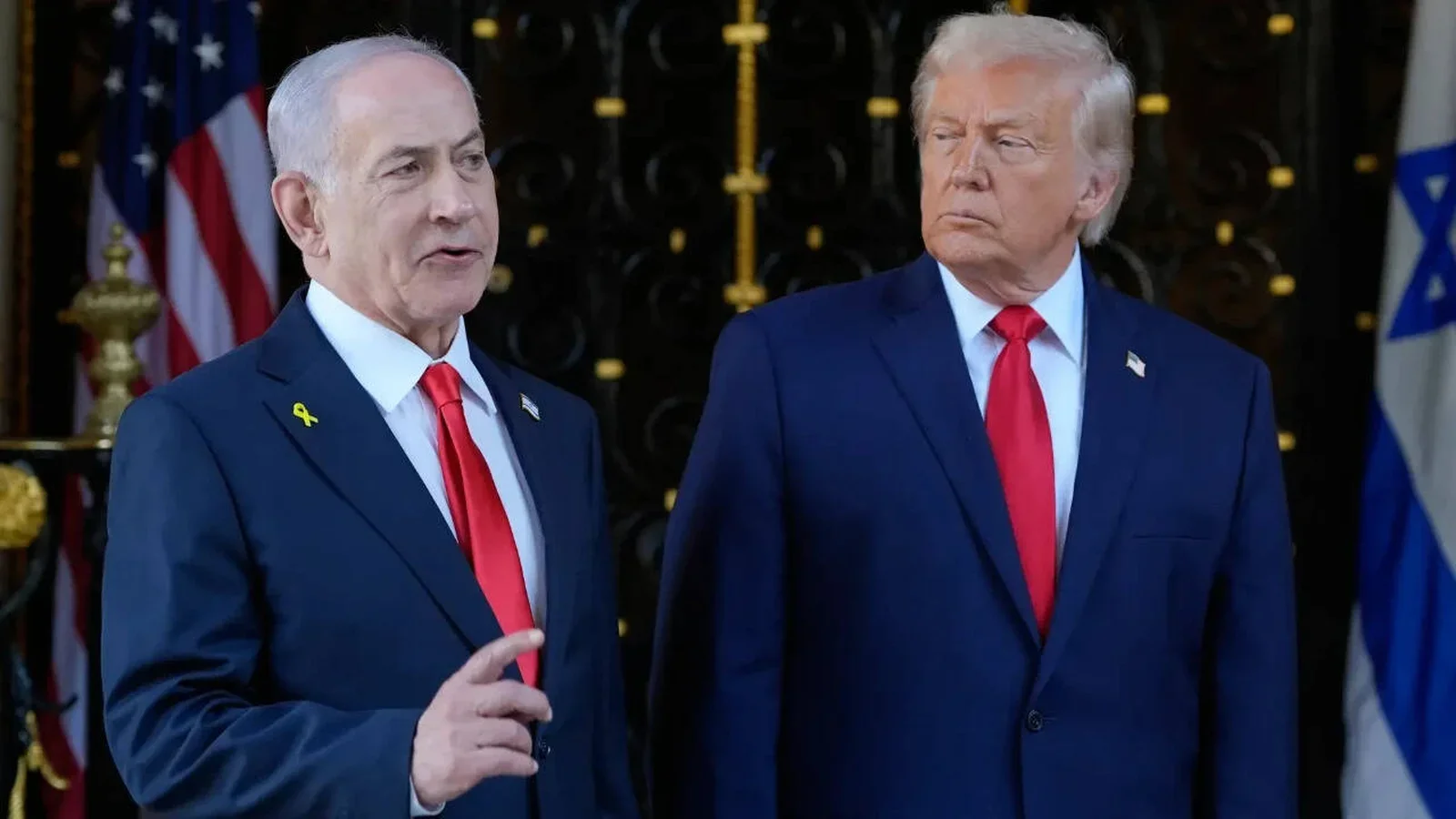
Israeli Prime Minister Benjamin Netanyahu has been calling US President Donald Trump every day to urge him to resume military action against Iran, the Financial Times reported, citing a person briefed on the discussions. The report was published by the Times of India on 10 November 2026.
A source quoted by the Financial Times said: "Netanyahu calls him every day [to urge him to resume the war]. Those who don't want a war within the White House and outside have been trying to combat that."
Another person familiar with Israel's position disputed that Netanyahu was running a concerted lobbying campaign, while acknowledging his preference for renewed military action.
Gulf leaders push for diplomacy
At least four Arab and Muslim leaders have spoken to Trump in recent days urging diplomacy over escalation, according to the report. They are Saudi Crown Prince Mohammed bin Salman, UAE President Sheikh Mohamed bin Zayed Al Nahyan, Qatar's Emir Sheikh Tamim bin Hamad Al Thani and Turkish President Recep Tayyip Erdogan.
UAE presidential diplomatic adviser Dr Anwar Gargash said: "The priority must remain the pursuit of political diplomatic solutions capable of producing a more sustainable regional balance."
The counter-push from Gulf leaders shows that the debate inside and around the White House is not one-sided. While Netanyahu is pressing for renewed action, regional leaders are pressing for a diplomatic path.
Trump on the Iran war
Trump said after meeting Qatari Prime Minister Sheikh Mohammed bin Abdulrahman Al Thani at the White House on Monday that there was positive momentum towards ending the conflict. He described the Iran war as militarily effectively over, while saying US forces remained prepared.
That position sits uneasily with the daily calls described in the Financial Times report. Trump has spoken of ending the conflict, while Netanyahu is reported to be urging him to resume it.
Mediators are working on an interim agreement based on an Iranian proposal from September. Trump had rejected that proposal, according to the report.
Iran's warning
Iran has warned it is prepared to respond to any fresh attacks and has threatened to target undersea cables in the Strait of Hormuz and data centres in the region.
The warning underlines what is at stake if military action resumes. The Strait of Hormuz is one of the world's most important shipping routes, and threats to undersea cables and data centres point to a wider conflict than airstrikes alone.
For now, the reported picture is of competing pressures on Trump: daily calls from Netanyahu urging renewed war, and calls from Gulf leaders urging diplomacy. Which pressure prevails will shape what happens next in the region.