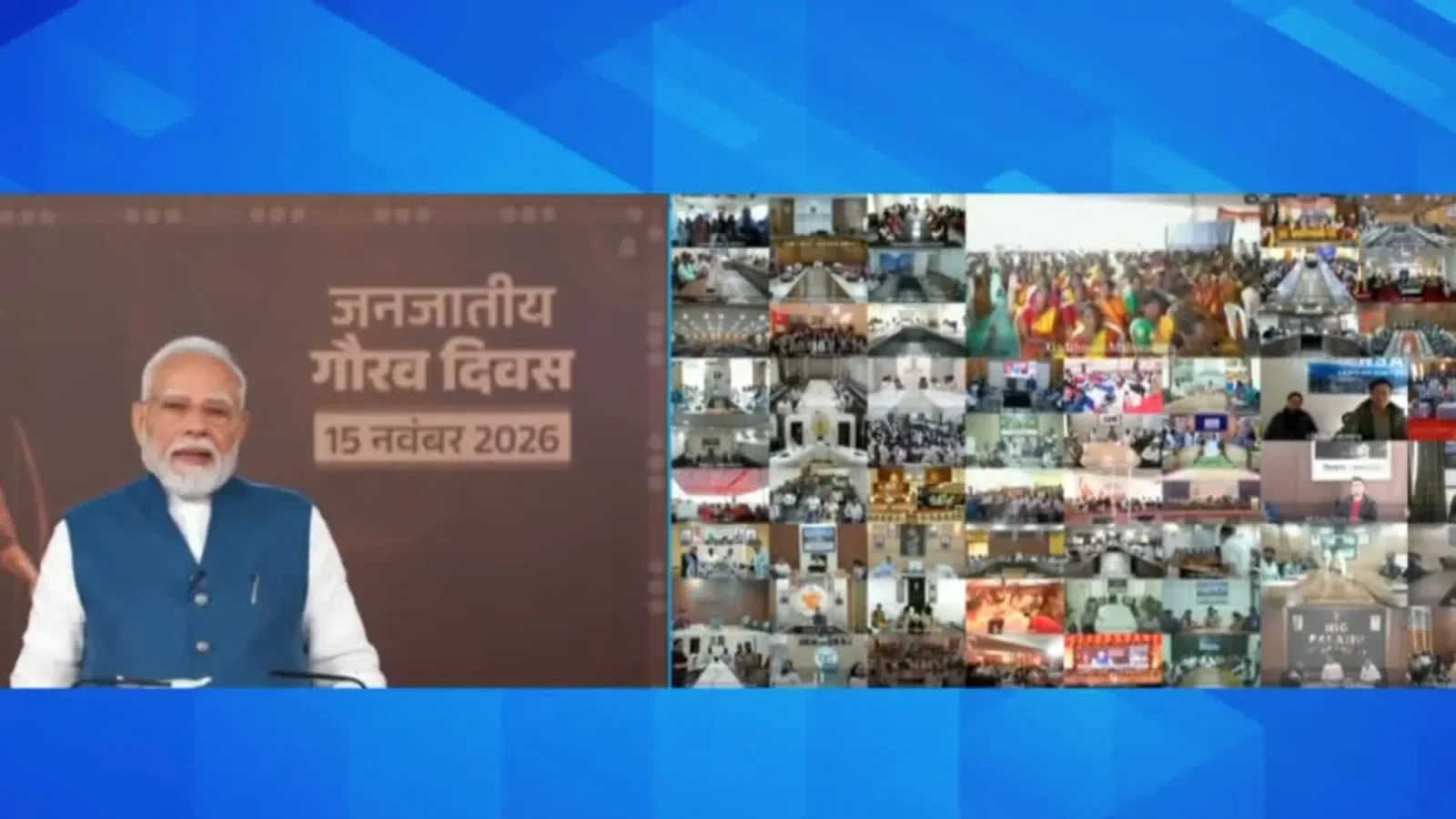
Of the total, the Prime Minister inaugurated 173 projects, including 38 Eklavya Model Residential Schools for tribal students and 100 Multi-Purpose Centres under the Pradhan Mantri Janjati Adivasi Nyaya Maha Abhiyan, known as PM-JANMAN. He also laid the foundation stone of 19 new Eklavya Model Residential Schools and 12 Tribal Multipurpose Marketing Centres to strengthen market access for tribal producers, along with 42 other projects under PM-JANMAN and the Dharti Aaba Janjatiya Gram Utkarsh Abhiyan.
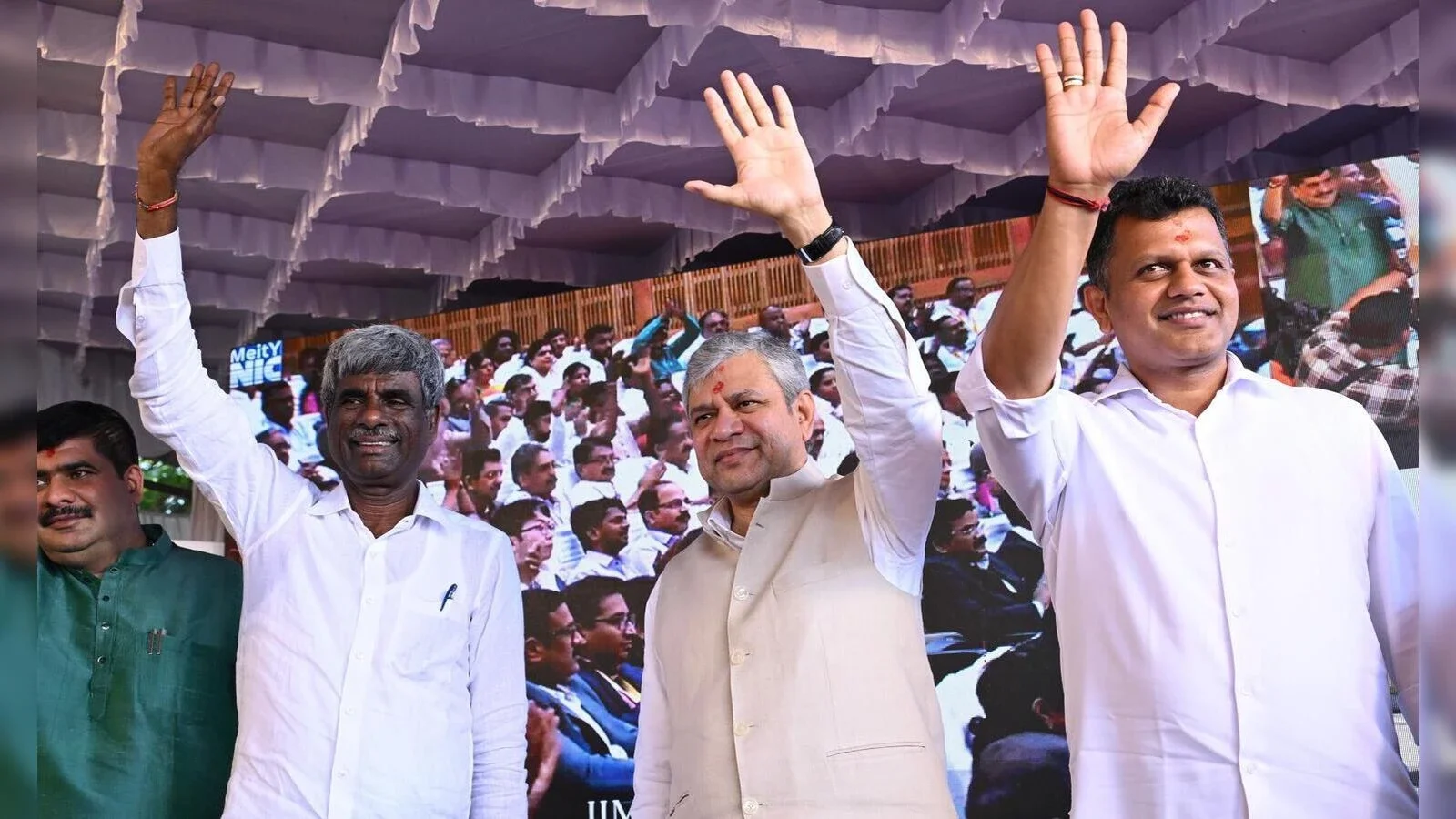
The package also includes the Tribal Research Institute building at Itanagar in Arunachal Pradesh and the Ropuiliani Tribal Freedom Fighter Museum at Aizawl in Mizoram. The museum is named after Ropuiliani, a 19th-century Mizo chieftainess who resisted British colonial rule. Maharashtra Chief Minister Devendra Fadnavis attended the Gadchiroli event and thanked Modi for declaring Janjatiya Gaurav Diwas in 2021.
246 projects, Rs 3,000 crore: what was launched
The projects are aimed at strengthening education, healthcare, livelihood opportunities and community infrastructure for tribal communities across the country. The schools and multipurpose centres sit at the heart of the package, with 38 Eklavya schools inaugurated and 19 more getting their foundation stones laid on the day.
Modi said bringing 50 crore people out of extreme poverty was among India's biggest achievements since Independence, and said more than Rs 1 lakh crore had been allocated for the development of tribal areas.
Modi on Naxal violence and past governments
Modi said tribal communities had suffered the most due to Naxal violence, alleging that Naxals had denied tribal people their voting rights while previous governments had remained mute spectators.
He also said: "Today, the country is led by a daughter of the tribal community. We are all proud of President Droupadi Murmu." The programme in Gadchiroli closed the fortnight-long Janjatiya Gaurav Pakhwada, which ran from 1 to 15 November.