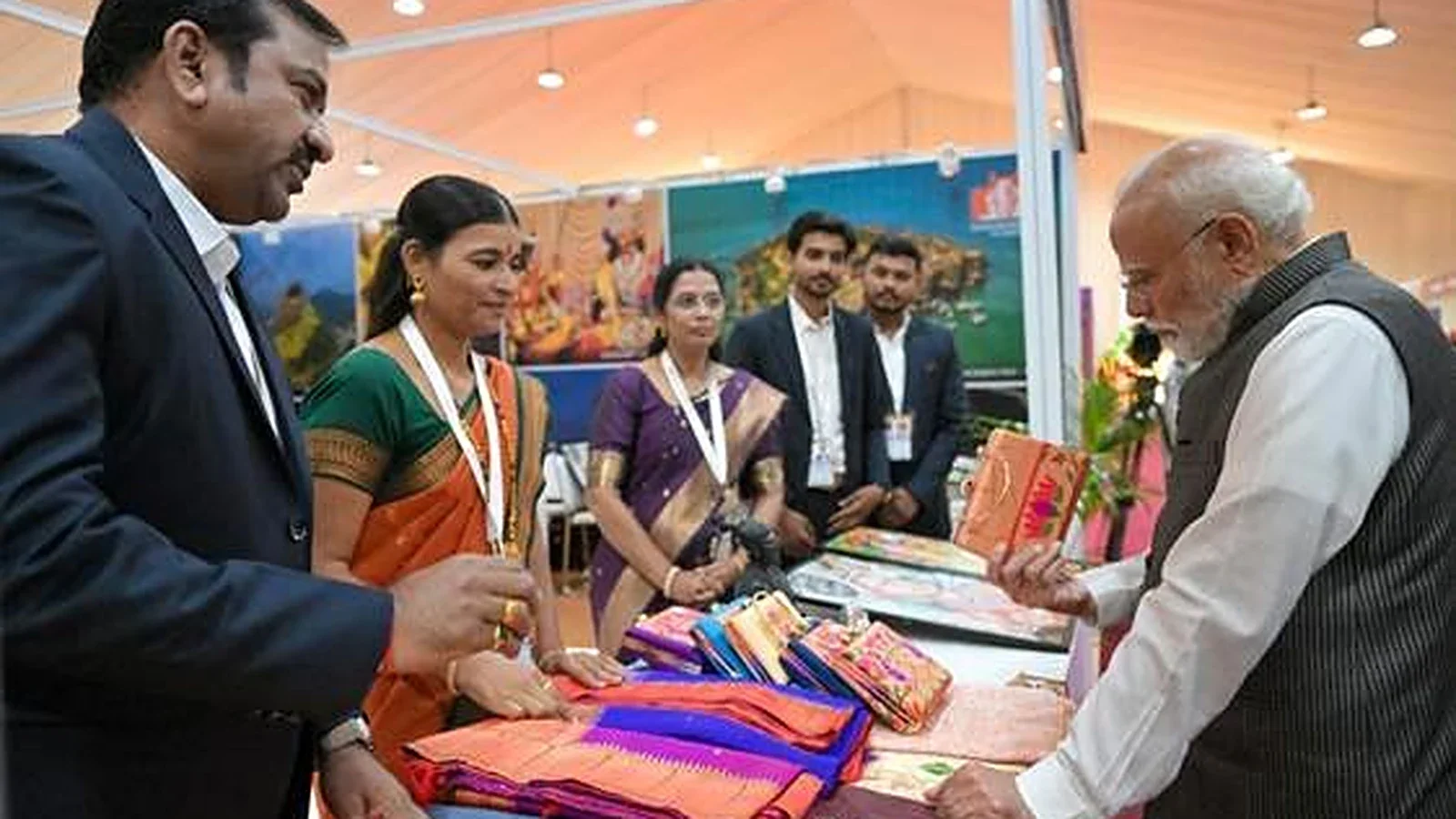
Organised by the Union Ministry of Tourism in collaboration with Gujarat Tourism, the festival ran for 17 days at Ekta Nagar, near the Statue of Unity. The event brought together traditional arts, handicrafts, regional cuisines, folk traditions, music, dance and indigenous craftsmanship from across the country, offering visitors an opportunity to experience India's cultural diversity at one destination.
According to the Ministry of Tourism, the festival drew an encouraging response, with more than 25,000 visitors between 1 and 3 November alone. The event remained open to visitors through the Diwali vacation period, and the Statue of Unity stayed open on Monday, 9 November, with only the viewing gallery closed.
A theme pavilion with 29 states and union territories
A major attraction of Bharat Parv was the theme pavilion, featuring participation from 29 states and union territories, along with Incredible India and the Central Cottage Industries Emporium. The pavilion showcased more than 100 One District One Product (ODOP) items, along with traditional handicrafts, textiles, paintings and agricultural produce.
The ODOP showcases presented products that reflect the distinctive skills, traditional craftsmanship and local specialities of different regions. By bringing locally renowned products onto a national platform, the festival gave artisans visibility and encouraged appreciation of products made by traditional craftspeople, the Ministry of Tourism said.
Artisans demonstrating their crafts live
Live demonstrations by traditional artisans were another major attraction, giving visitors an opportunity to witness indigenous craftsmanship firsthand. These included traditional mask-making from Assam, Madhubani painting and Sikki craft from Bihar, Rogan art and traditional paintings from Gujarat, bamboo art from Chhattisgarh and coir-product making from Kerala.
The demonstrations also featured Pattachitra painting and silver filigree from Odisha, Aipan painting and Ringaal basket weaving from Uttarakhand, and Sozni art from Jammu and Kashmir. The Incredible India pavilion highlighted the country's heritage, culture and festivals through digital interventions.
Dance, music and food from across India
The festival featured a line-up of cultural performances representing the folk and classical traditions of states and union territories. Visitors saw Kuchipudi from Andhra Pradesh, Bihu and other folk dances from Assam, Garba from Gujarat, traditional folk performances from Haryana, Tholpavakoothu from Kerala, Ravanhatta instrumental music from Rajasthan, traditional dance forms from Tamil Nadu, Santoor performances from Jammu and Kashmir, and Baul folk music and Purulia Chhau from West Bengal.
The food court, featuring regional cuisines and traditional delicacies from 23 states and union territories, was another major attraction. It hosted daily cultural performances from 5 pm to 8 pm, featuring artists from ten states each day, combining regional cuisine, music and dance in a vibrant setting. A studio kitchen managed by the National Council for Hotel Management and Catering Technology added demonstrations of regional culinary practices and traditional food preparation techniques.
What happens next
With the festival closing on Sunday, visitors have their last chance to see the theme pavilion, the ODOP showcases and the food court at Ekta Nagar. The Statue of Unity, which stands near the festival site, remains one of Gujarat's biggest draws for tourists, and the Ministry of Tourism said the festival had reinforced the spirit of Ek Bharat Shreshtha Bharat by bringing artisans and performers from across the country together.