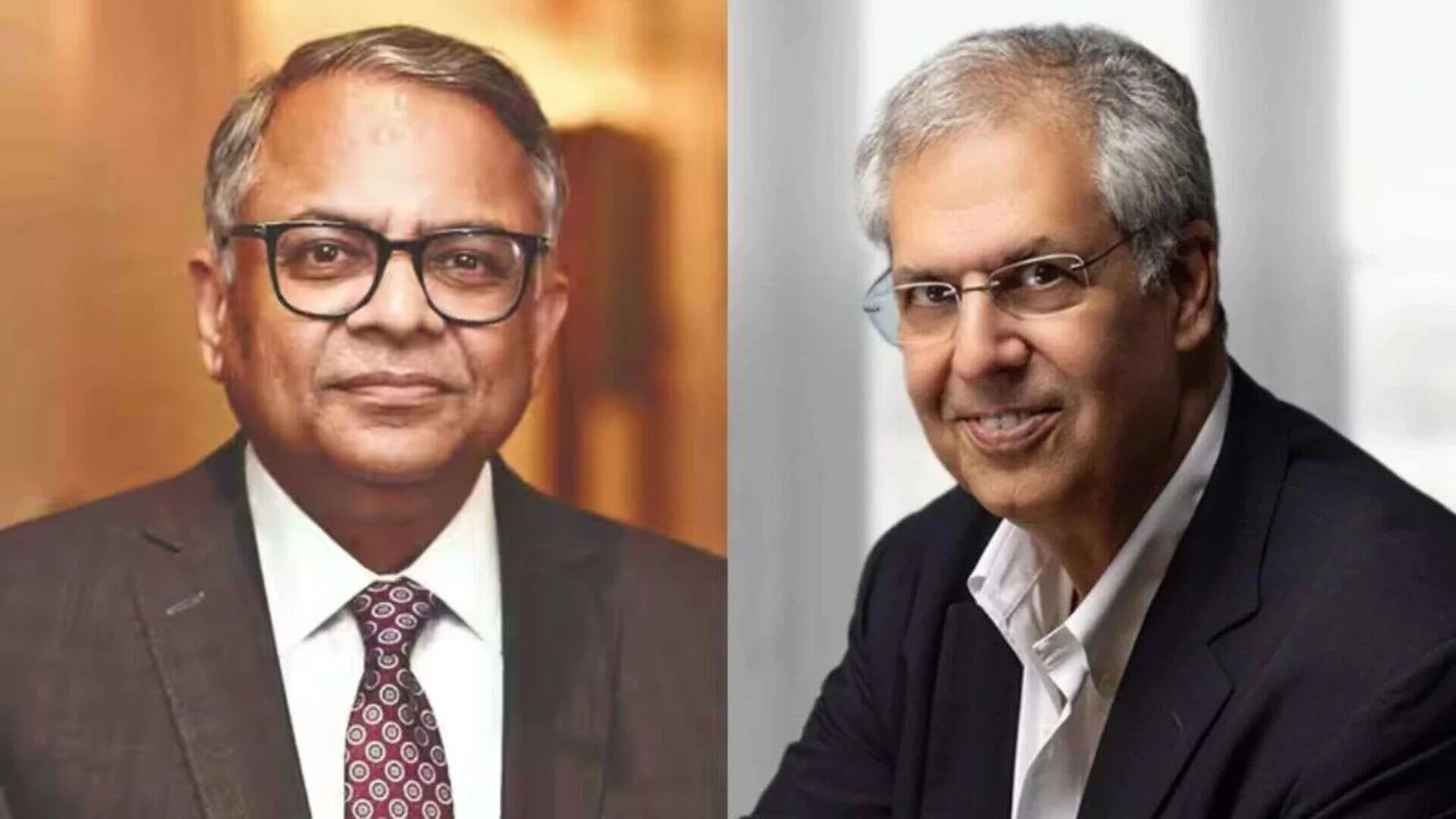
Tata Trusts moved the Bombay High Court on Thursday, November 26, challenging the reappointment of N Chandrasekaran as executive chairman of Tata Sons and seeking Rs 65 crore in damages. The Sir Dorabji Tata Trust and the R.D. Tata Trust filed separate suits against Tata Sons and six of its directors, arguing that the September 17 board resolution giving Chandrasekaran a third five-year term was invalid.
The trusts say the resolution did not receive the affirmative vote required under Article 121 of Tata Sons' Articles of Association. The provision requires the support of a majority of the directors nominated by Tata Trusts. At the September 17 meeting, Noel Tata voted against the reappointment while fellow nominee director Venu Srinivasan supported it, and the board passed the resolution by four votes to one.
The trusts have sought Rs 50 crore in damages in the Sir Dorabji Tata Trust suit and Rs 15 crore in the R.D. Tata Trust suit, along with 18 percent annual interest. The high court is likely to take up the matter on Friday. As immediate relief, the trusts have asked the court to restrain the chairman from exercising his casting vote at the November 30 board meeting if the nominee directors disagree.
The trusts, chaired by Noel Tata, hold around 66 percent of Tata Sons. Their trustees voted on Wednesday night to approve filing the suits, after communications sent to Tata Sons since September 17 received no satisfactory replies. In a statement on September 20, the trusts had said the September 17 resolution was not validly passed and had no legal effect.
What is at stake on November 30
The legal challenge comes ahead of a crucial Tata Sons board meeting on November 30, when the company is expected to consider converting itself into a public company and a possible initial public offering. The Reserve Bank of India directed Tata Sons on November 16 to comply with listing rules for upper-layer non-banking financial companies. The board had backed a listing at its September 17 meeting, and the company plans to file draft papers with the Securities and Exchange Board of India within 90 days of shareholder approval and complete the listing within 180 days.
Noel Tata has also challenged plans to expand Tata Sons' equity capital and has invoked provisions that protect the trusts' shareholding and rights. He has put forward a merger proposal, dated September 28, that aims to avoid a listing, and has argued that it should be taken up before the board decides on the listing. Tata Sons now proposes to place Chandrasekaran's reappointment before shareholders at an extraordinary general meeting.
Trusts say casting vote cannot substitute approval
At the centre of the dispute is the trusts' reading of the Articles of Association. They contend that no board decision can be taken without the affirmative support of at least a majority of the directors nominated by Tata Trusts, and that a casting vote cannot substitute for that support. Tata Sons maintains that the resolution was validly passed.
Chandrasekaran, who has led Tata Sons since 2017, is due to complete his present term on February 20, 2027. The trusts have engaged senior advocate Abhishek Manu Singhvi for the case. The outcome of the court challenge will shape the leadership of the salt-to-software group and the future of its planned listing.