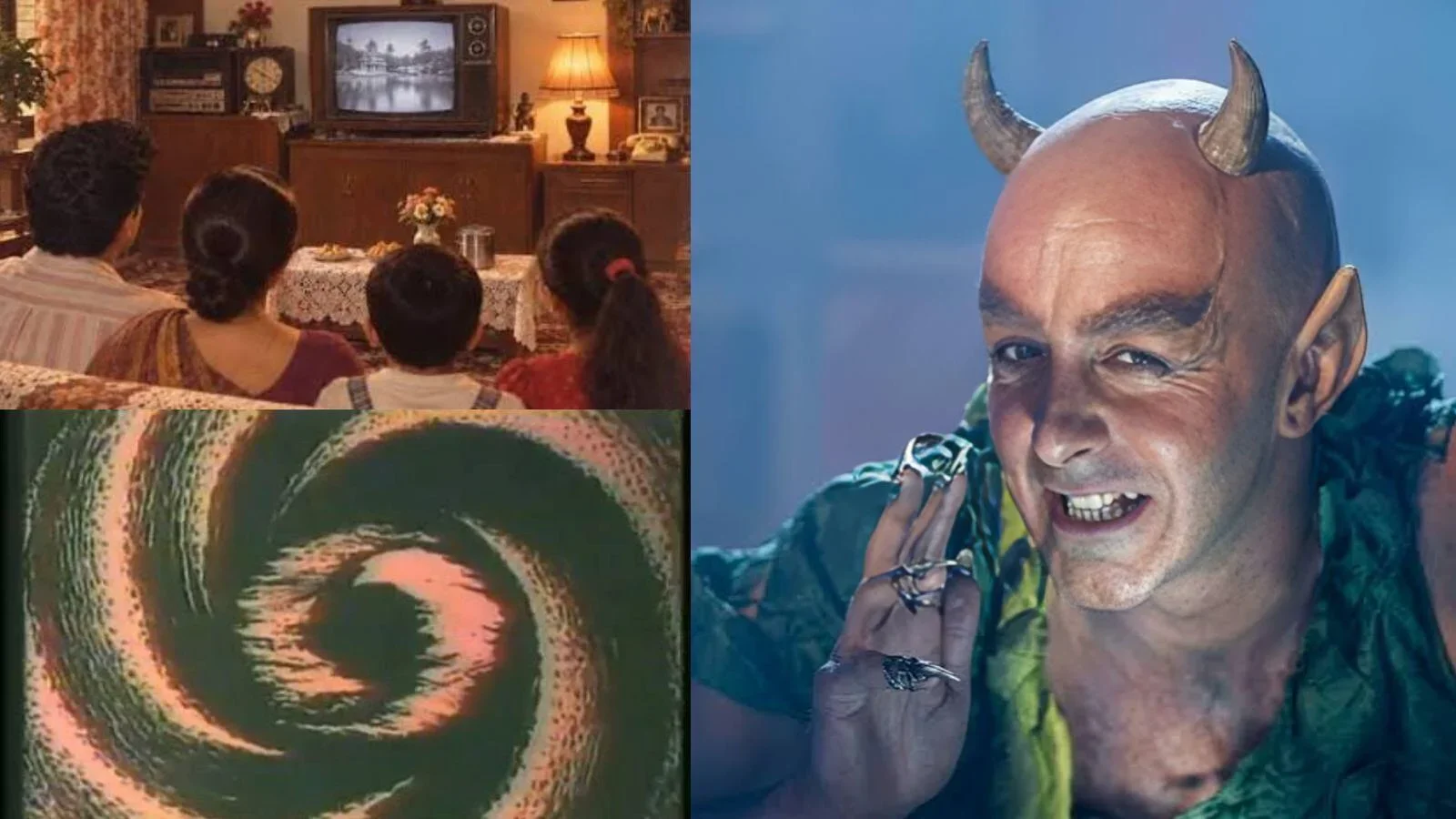
In the 1980s, a television set was the centrepiece of the Indian family home. It was the most expensive and most talked about item in the house, and every brand wanted to be the one families chose. A story published by Navbharat Times on 10 November 2026 looks back at how Onida won that race with one of the most unusual advertising campaigns in Indian history.
The brands that dominated the market then included Oscar, Beltek, Weston, Salora, BPL and Videocon. Their advertisements spoke in heavy technical language, listing features and specifications to convince buyers.
Onida, made by Mirc Electronics, broke the pattern completely. Working with the advertising agency Avenues, it built a campaign around a devil character, complete with horns, a tail and a frightening smile.
The devil built on envy
The campaign was built on a negative idea: envy, or irshya. The devil in the advertisements was the neighbour's envy, the feeling that made people want what others had.
Instead of talking about picture quality or sound, Onida sold a feeling. The message was simple and memorable, and it stood out sharply from the technical claims made by every rival brand.
The campaign rewrote Indian advertising. It showed that an advertisement did not need to explain a product in detail to sell it, and that emotion could be a stronger pitch than specifications.
From 5 percent to market leader
The results were striking. Onida's market share rose from 5 percent to 20 percent on the strength of the campaign, according to the report.
That rise made Onida India's number one television brand of the era. A brand that had been one among many became the name most Indian families associated with buying a TV.
The devil became one of the most recognised advertising characters in the country. Decades later, it is still remembered as the campaign that changed how Indian brands advertised.
Why the campaign still matters
The Onida story is now told as a case study in Indian advertising. It is an example of a brand finding a completely different way to speak to customers when every competitor was saying the same thing.
The campaign worked because it understood its audience. In the 1980s, owning a television was a matter of pride and status, and the idea of a neighbour envying your new TV spoke directly to that feeling.
For Onida, the devil was not a gimmick. It was the centre of a strategy that turned a small market share into market leadership, and it remains one of the most famous advertising stories in India.