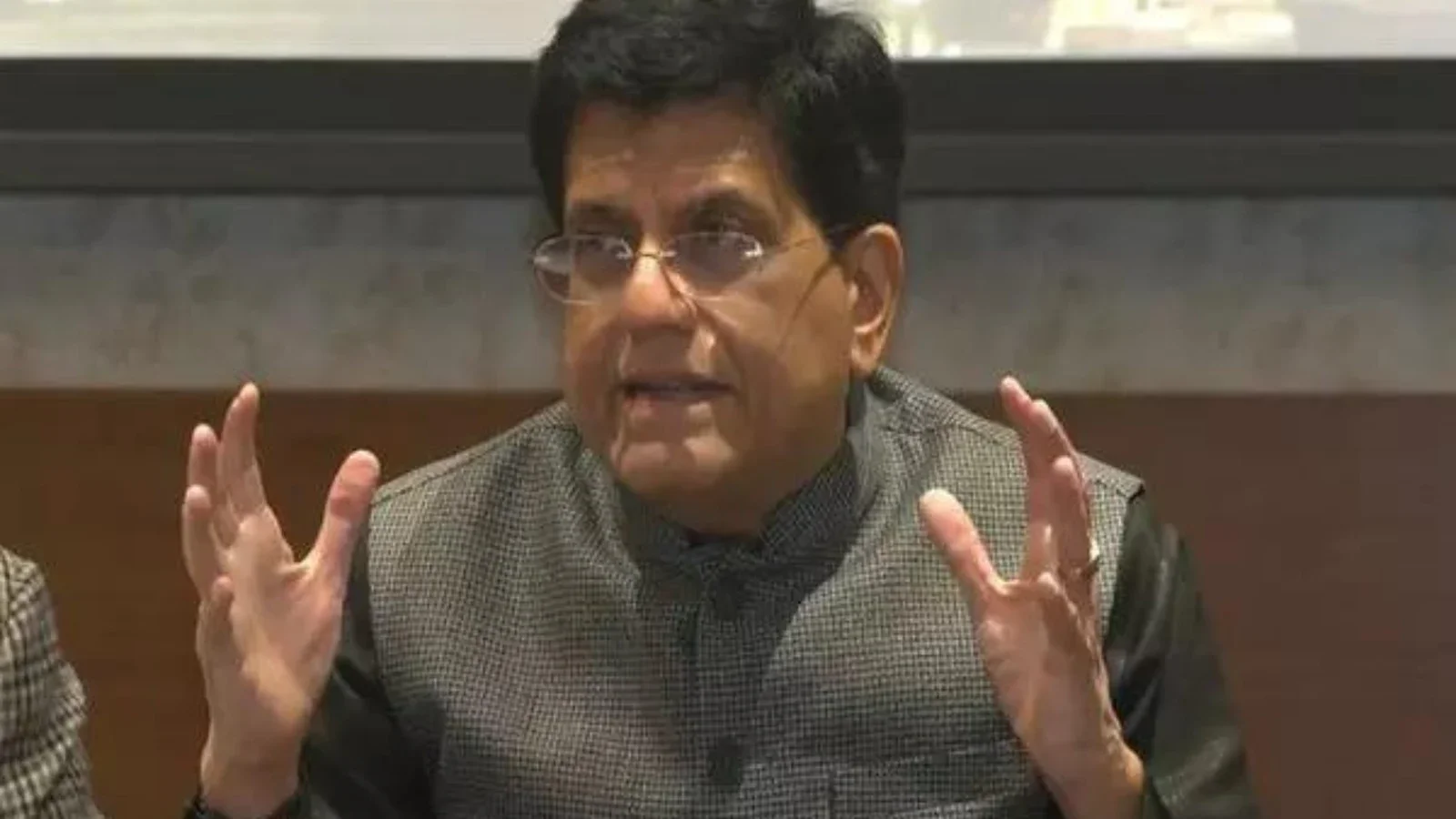
India has secured an agreement with the United States to receive preferential market access for its goods, with lower import duties than competing countries, Commerce and Industry Minister Piyush Goyal said on Sunday. Goyal said the understanding was reached between Prime Minister Narendra Modi and US President Donald Trump when the two countries announced a broad framework for their bilateral trade agreement a few months ago.
Goyal was speaking to reporters in Cairo during a two-day visit to Egypt aimed at deepening trade and investment ties. He said the two leaders had already agreed that India would get preferential trade access in the US with lower duties than its competitor countries. Negotiations are now under way to finalise the first phase of the deal.
"This was already agreed between the leaders, President Trump and Prime Minister Narendra Modi, when they announced that we have both come to a broad framework agreement a few months ago and it has been acknowledged that India will get preferential trade access in the US with lower duties than our competitor countries," Goyal said.
First phase framework finalised in February
India and the US finalised the framework for the first phase of their bilateral trade agreement in February 2026. The deal was expected to be signed earlier, but changes in the US tariff landscape have led to further negotiations. After the US Supreme Court struck down Trump's reciprocal tariffs, which formed the basis of the negotiations, the US is using alternative mechanisms under provisions of the Trade Act to put a new tariff architecture in place.
Both sides are working to conclude the first tranche by the end of the current financial year. Goyal said the talks are continuing for the first tranche and the broader agreement. A two-member US delegation visited India on November 2 and 3 to work through customs procedures and ways to reduce friction at the border.
How much advantage India will get
The extent of the tariff advantage for Indian goods will depend on the framework eventually agreed upon by the two countries. Goyal said the government will have to see how the tariff framework unfolds, and that the size of the advantage will only be known once the final structure is set. Until the first tranche is signed and the tariff schedule is published, the competitive gap between India and its rivals remains an estimate rather than a number companies can build contracts around.
What the first tranche will cover
The first tranche will not cover services, which are deferred to a second phase under the broader agreement. The finished pact is expected to take the form of a legal text with annexures, including a dedicated chapter on customs and trade facilitation. Indian exporters compete most directly with suppliers in Vietnam, Bangladesh and China for US orders, so a lower duty rate than those countries would matter most for labour intensive goods.
What happens next
Both sides are working to conclude the first tranche by the end of the current financial year, with customs procedures and tariff schedules still being negotiated. Goyal's remarks in Cairo were reported by The Times of India, The New Indian Express, ETV Bharat and The Hindu BusinessLine on 15 November. Until the first tranche is signed, exporters will not know the exact duty advantage India will get over its rivals.