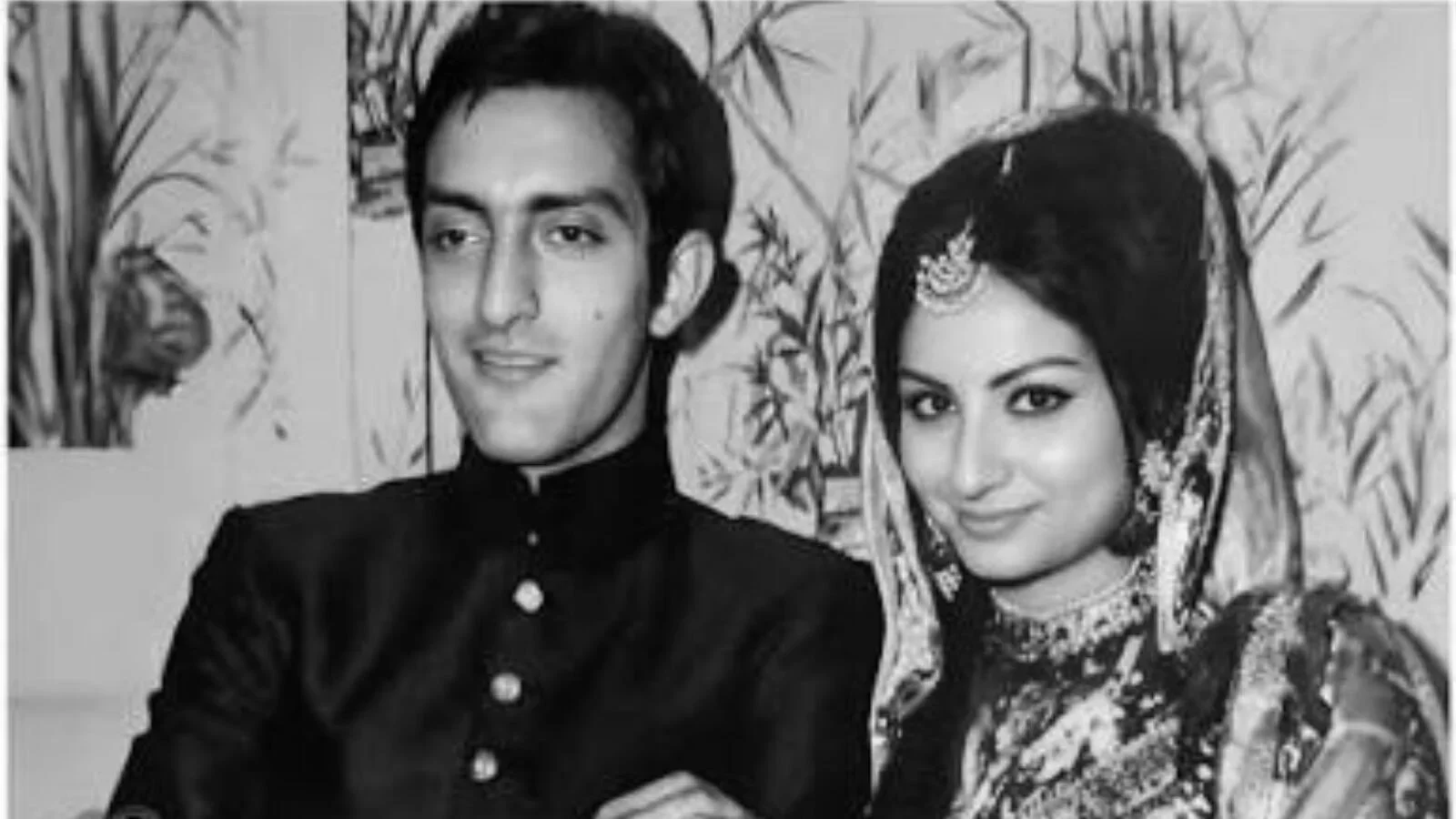
Sharmila Tagore married former India cricket captain Nawab Mansoor Ali Khan Pataudi in 1968. To marry, she converted to Islam and took the name Ayesha, according to a report published by Navbharat Times on 10 November 2026.
Her daughter Saba Ali Khan has now revealed, in a conversation with Siddharth Kannan, that the conversion was not her mother's own choice but was done under pressure from her grandmother and to remove social obstacles.
Saba said: "In that era, conversion was necessary. Because of the conversion the children were considered legitimate, which made everything lawful. It was a necessity, not something to think about whether to do or not."
Her grandmother's condition
Saba said her grandmother, Mansoor's mother, would never have agreed to the marriage any other way, given family traditions and religious beliefs. Under Islamic rules of the time, a non-Muslim marrying a Muslim was expected to convert for the marriage to have religious sanction.
The revelation adds a personal detail to one of Indian cinema and cricket's best known marriages. Sharmila Tagore was already a leading film star when she married Pataudi, and the marriage drew wide attention at the time.
Saba's account makes clear that the decision was shaped by the social conditions of the era, and by the family's expectations, rather than by her mother's personal choice alone.
No effect on her film career
Saba also said the conversion had no effect on Sharmila's film career. She was neither stopped from working nor forced to change her professional identity, Saba said.
Her father Mansoor was open-minded and fully supported her continuing her career, according to Saba. Sharmila continued to act after her marriage, remaining one of the most respected actors of her generation.
The marriage of Sharmila Tagore and Mansoor Ali Khan Pataudi is remembered as a union of two leading figures from film and cricket. Saba's remarks offer a fresh look at the personal circumstances behind it.
The conversation has drawn attention for its honesty about the pressures the family faced in 1968, and for the clarity with which Saba separates the religious formality from her mother's professional life.