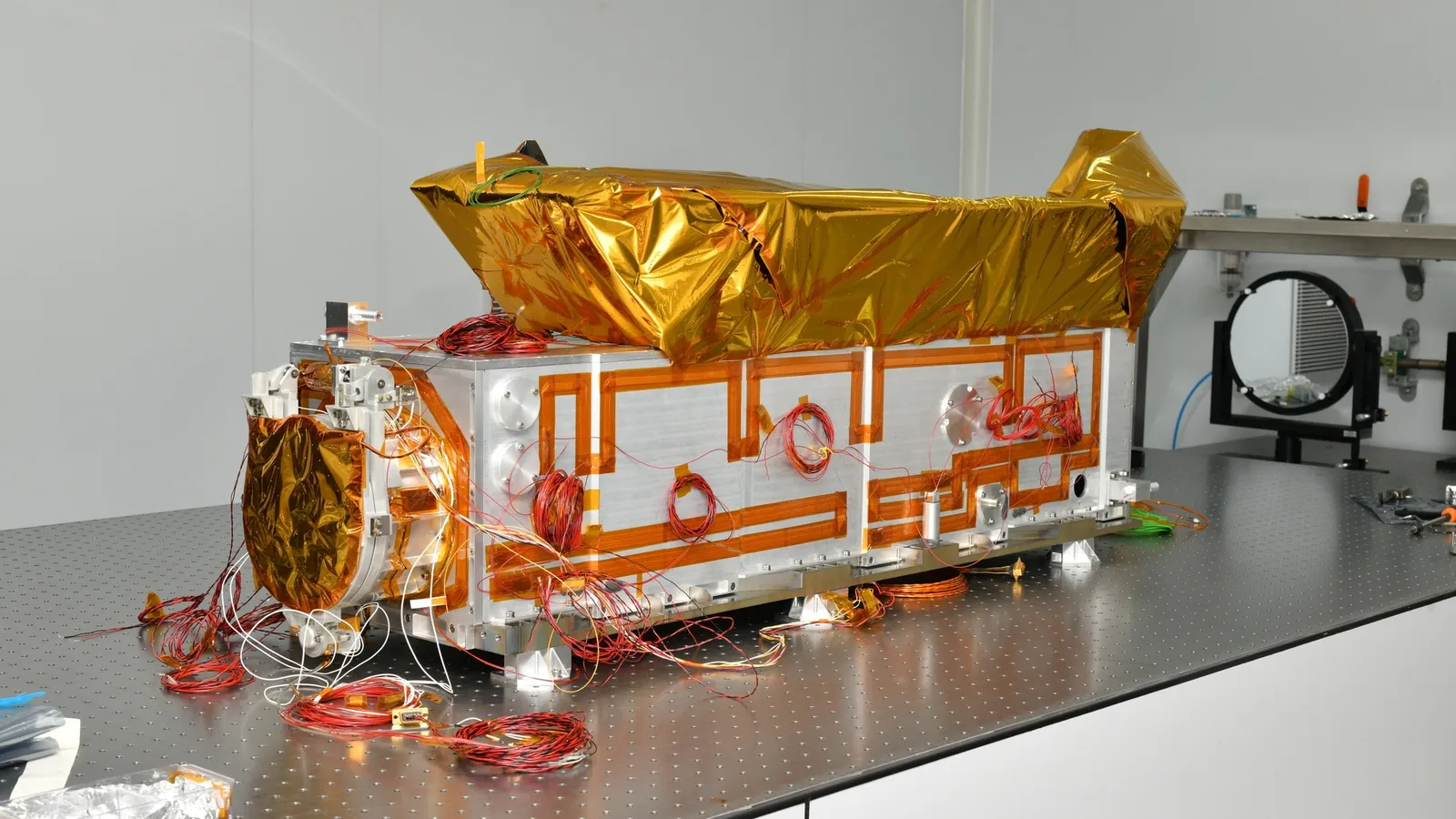
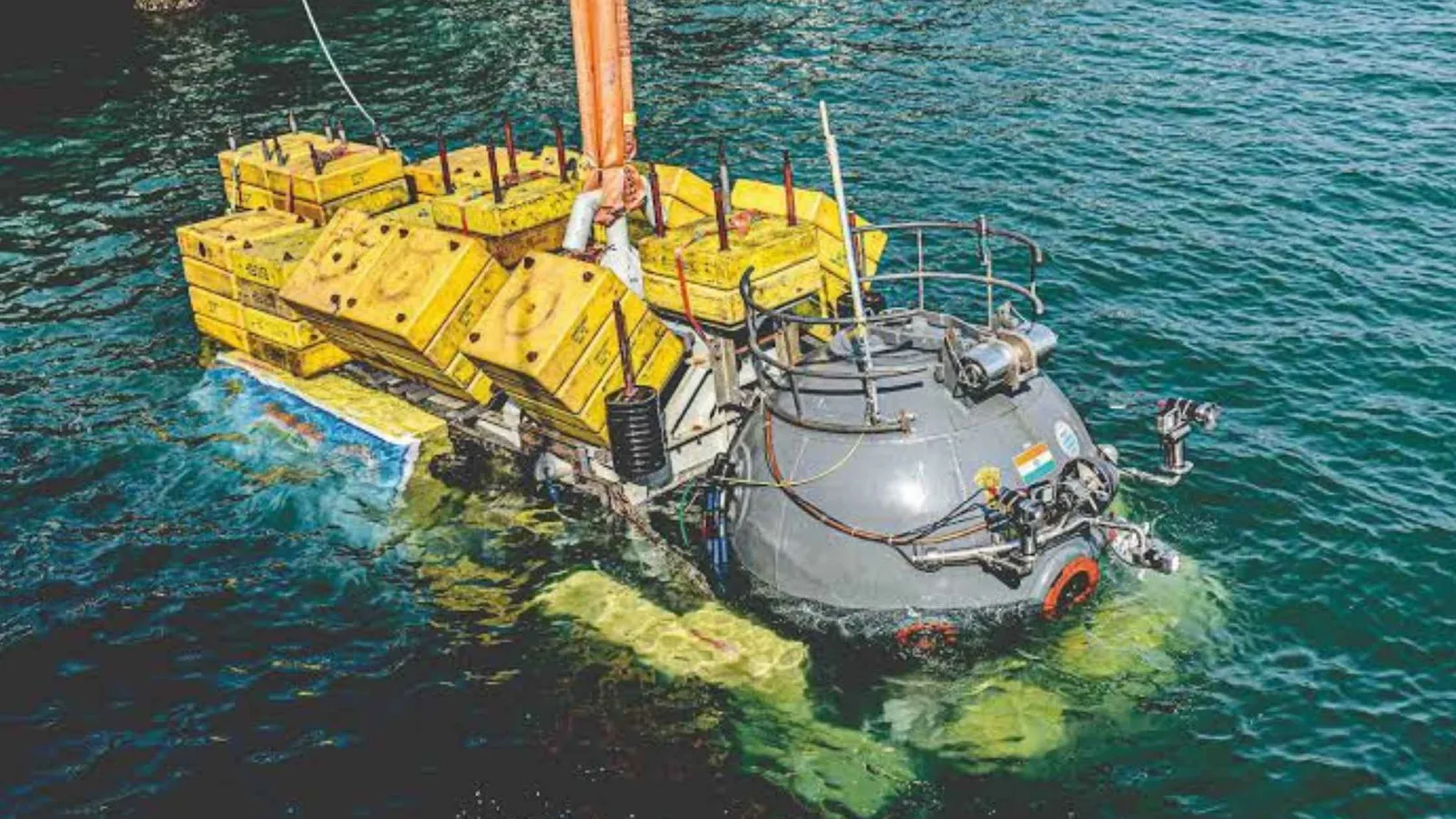
India aims to develop indigenous autonomous underwater robots capable of exploring ocean depths of up to 6,000 metres within the next two years. National Institute of Oceanography (NIO) Director Sunil Kumar Singh said Indian scientists have developed underwater vehicle technology capable of operating at 500 metres, with plans to scale to 2,000 metres and then 6,000 metres.
The step-by-step plan reflects how demanding deep-sea engineering is. Each depth brings higher pressure and tougher conditions, and the vehicles must be built to survive them while carrying sensors and cameras.
Deep-sea minerals cited in the plans include cobalt, copper and nickel, resources that lie on the ocean floor and are of growing interest as land-based supplies tighten.
A coral-monitoring robot already built
Singh also highlighted an autonomous coral-monitoring robot, called C-BOT, developed under the CSIR-FTT programme. It uses sensors, cameras and photogrammetry to scan reefs and measure coral area and volume.
He said the technology transfer agreement for C-BOT was finalised within two days of the request, a fast turnaround that shows how quickly the technology is moving from the lab to use.
A longer coastline than thought
India's coastline has been revised from about 7,500 km to 11,096 km, a figure that underlines how much ocean territory the country has to explore and protect.
The revised coastline makes deep-sea capability more important, since a longer coast means more ocean floor within India's reach.
Navy interest in the technology
The Navy has shown interest in the technology, according to the report. Underwater robots have uses beyond research, including survey work and monitoring, and the Navy's interest reflects that.
The two-year target for 6,000-metre capability is ambitious, but the NIO's step-by-step plan, from 500 metres now to 2,000 and then 6,000, gives it a clear path.