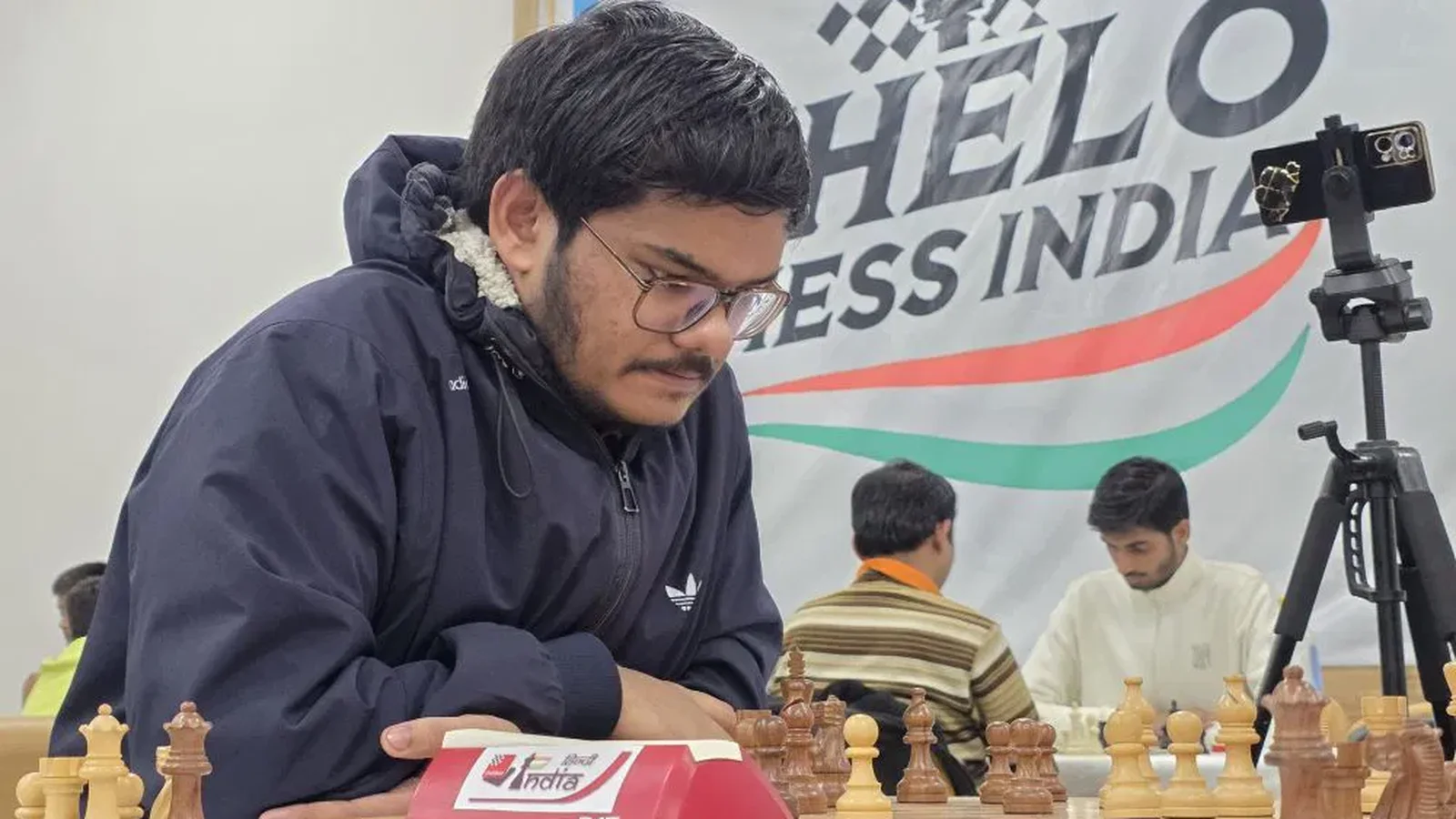
The 22-year-old from Madhya Pradesh scored seven points from nine rounds to win the title and seal the Grandmaster title. He is the first Grandmaster from Madhya Pradesh, and his achievement takes India to a century of Grandmasters since Anand earned the title in 1988.
Seven points from nine rounds
Shrivatri recovered from losing his opening game to finish with seven points from nine rounds. The strong finish carried him to the title at the ASEAN Plus Individual Open and confirmed his place as India's newest Grandmaster. The All India Chess Federation president Nitin Narang announced the achievement on social media, confirming that Shrivatri had become India's 100th Grandmaster. The announcement drew congratulations from across the Indian chess community.
First Grandmaster from Madhya Pradesh
Shrivatri's title makes him the first Grandmaster from Madhya Pradesh, a state that had not produced a Grandmaster before. His win adds a new name to the list of Indian Grandmasters and underlines the spread of chess talent beyond the traditional strongholds. The 22-year-old's rise has been steady, and the ASEAN Plus Open title is the biggest result of his career so far. The win in the Philippines came against a strong field, and the seven-point score showed consistency across the nine rounds.
38 years after Anand
Viswanathan Anand became India's first Grandmaster in 1988. In the 38 years since, Indian chess has grown into one of the strongest forces in the world, with a steady stream of young players earning the title. Reaching 100 Grandmasters is a milestone for Indian chess. It reflects the depth of talent in the country and the work of the federation, coaches and academies that have supported young players over the decades.
What the milestone means for Indian chess
The century of Grandmasters comes at a time when Indian chess is enjoying a strong run on the world stage. Young players have been winning titles and breaking records, and Shrivatri's achievement adds to that momentum. For Madhya Pradesh, the first Grandmaster is a landmark. It gives the state's young players a role model and shows that the path to the highest title in chess is open to players from every part of the country.