
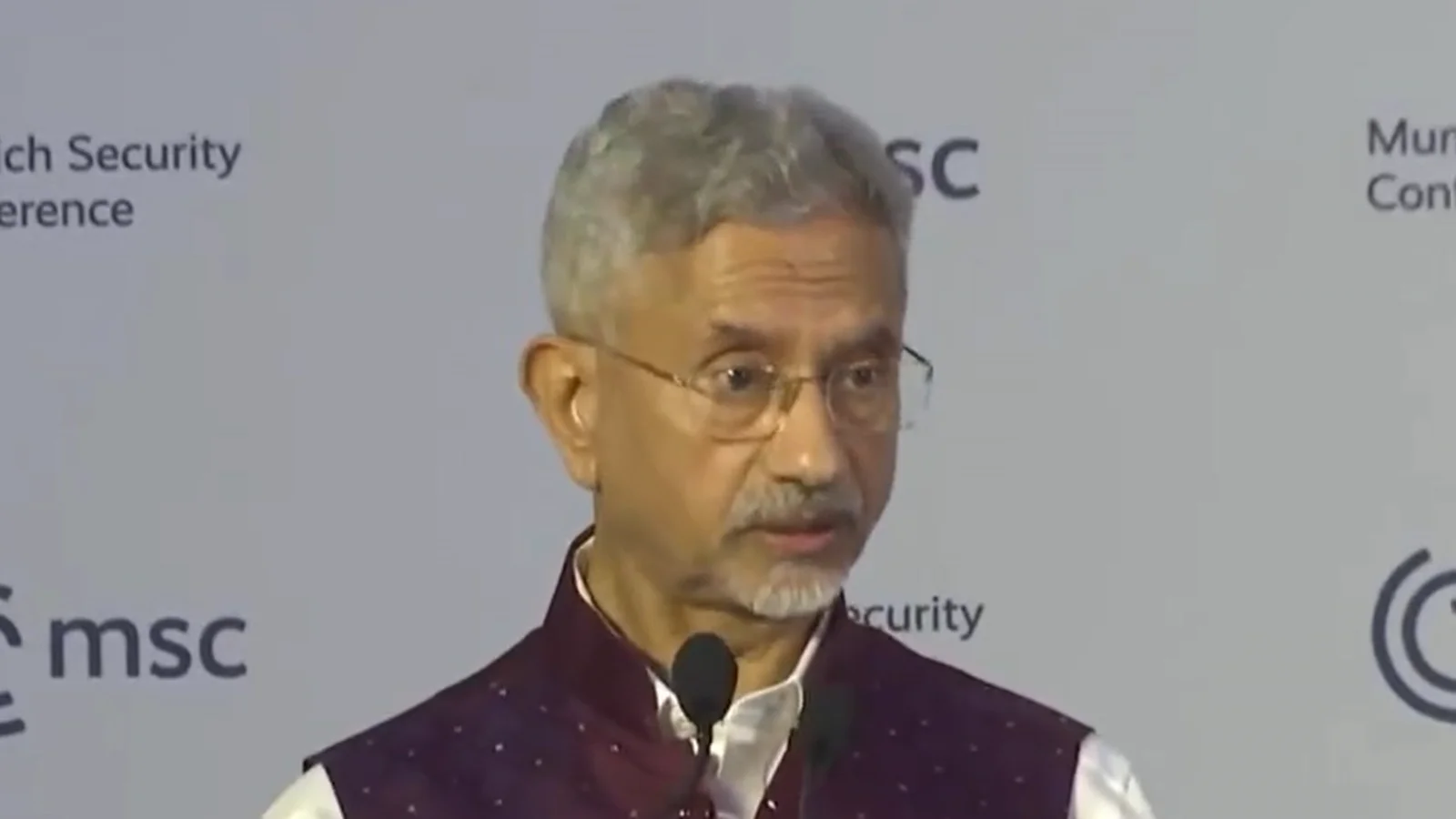
External Affairs Minister S Jaishankar has strongly criticised disruptions to global oil supplies through sanctions and key transit chokepoints, saying deliberate attacks on energy trade and infrastructure were a calculated strategy to hold prices hostage. Speaking at the G20 Foreign Ministers' Meeting in Atlanta on Friday, he said the world was facing an energy crisis driven not by a lack of production but by unpredictability, supply disruptions, unaffordable costs and difficulties in access.
His remarks came amid US sanctions on the sale of Iranian oil, disruptions to energy supplies from West Asia, and the decision to lift sanctions on the sale of Russian diesel. The meeting was convened by US Secretary of State Marco Rubio. Jaishankar said in a post on social media that he had highlighted how deliberate attacks on energy trade and infrastructure were being used to keep energy prices hostage, and told the meeting the G20 must display both understanding and leadership to keep energy markets open and predictable.
Jaishankar argued that energy markets were increasingly being distorted through obstacles, sanctions and chokepoints, with greater complexity and wider impact, and that there appeared to be little regard for the difficulties faced by low-income countries. He also said convenient distinctions were being made between oil and gas, adding that selective carve-outs spoke for themselves.
What India wants from the G20 on energy
The minister said the wider effects of such measures and the mutual dependence of countries in a globalised market should not be underestimated. He reaffirmed that India needed reliable and predictable LPG supplies for its clean cooking requirements, a point that links energy trade directly to household welfare in developing countries.
Jaishankar also said India's National Mission on critical minerals covered the entire process from exploration to recycling, and that India had proposed a G20 Critical Minerals Circularity Initiative. The minister said the G20 must expand access to finance and support progress in energy storage, small modular reactors, green hydrogen and biofuels.
A call for open and predictable markets
Taken together, Jaishankar's remarks focused on three linked needs: open and predictable energy markets, reliable supplies for developing countries, and greater G20 cooperation on finance, critical minerals and emerging energy technologies. His message was that energy security could not be treated as a narrow commercial question when sanctions and chokepoints were reshaping who could buy, at what price, and with what certainty.
For India, the stakes are practical as well as diplomatic. As a large energy importer, it is exposed to every supply shock and price spike, and its argument at the G20 was that the system needed rules and leadership that protected access for all, rather than measures that left low-income countries to absorb the costs of other countries' disputes.