
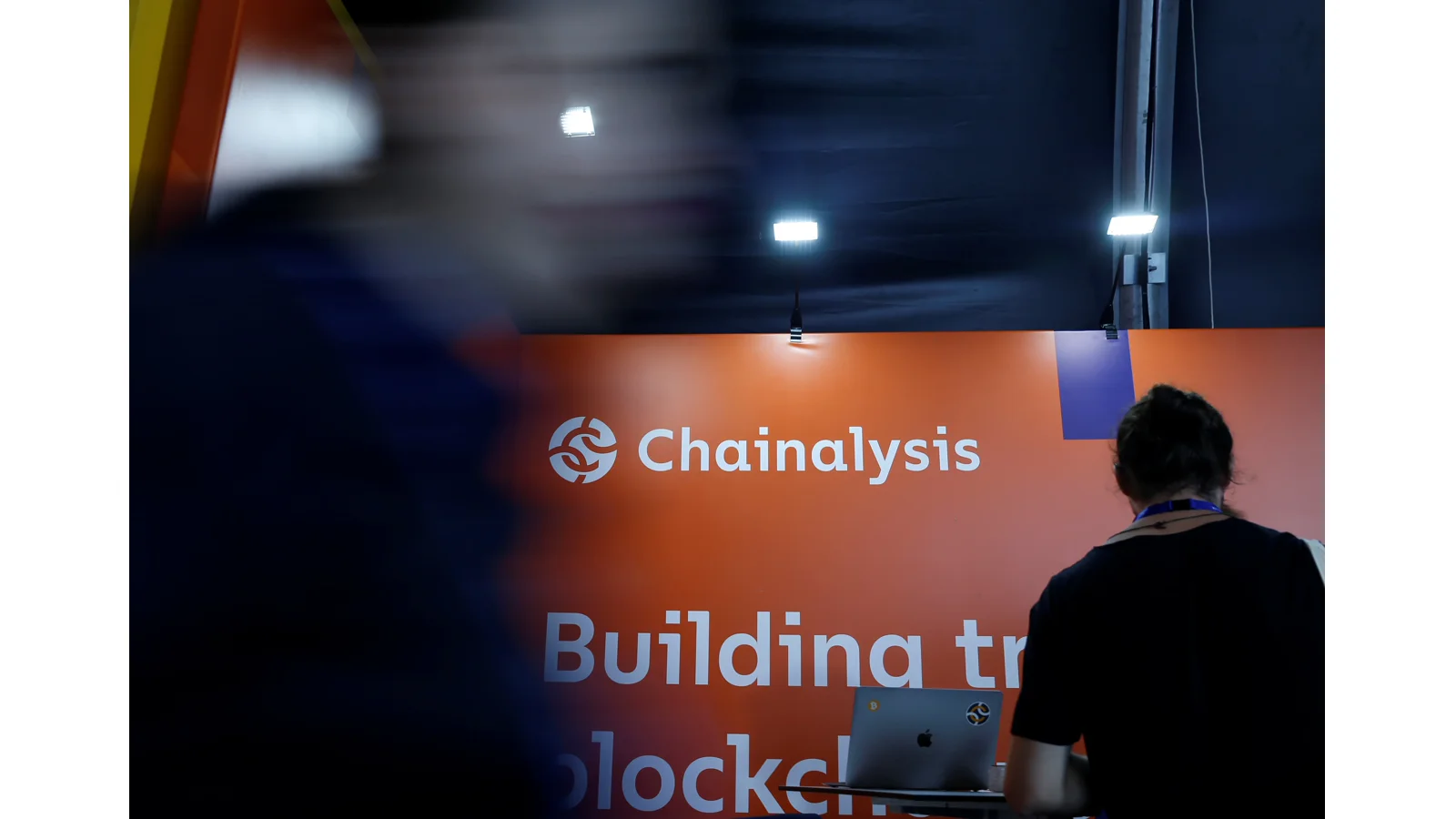
Blockchain analytics firm Chainalysis has said it was targeted in a cybersecurity incident in which an external actor got into some of its systems and internal tools, exposing non-sensitive customer data. The company disclosed the incident in a blog post on Friday, saying its investigation so far found no evidence of unauthorised access to investigation content, authentication credentials or session tokens.
The data that was accessed included user IDs, full names, email addresses and organisation role labels for users provisioned on its platform, including such information relating to customer organisations and their users. Chainalysis said it has engaged third-party cybersecurity experts and is using large language models to support a review of its security and strengthen its defences.
Attack used offensive agentic techniques
Chainalysis said it detected the actor this month using offensive agentic techniques to gain unauthorised access to its systems and internal tools. It did not give details of the specific methods or tactics that were used.
The mention of agentic techniques points to an AI-powered tool being used to carry out the attack. The company said it is patching vulnerabilities and hardening its systems in response to the incident.
Not linked to the Binance theft
Chainalysis stressed that the security incident was not related to the recent crypto theft at Binance. The clarification matters because the company is closely associated with tracking crypto crime: on Friday it posted on X that suspected North Korea-linked hacks accounted for almost 89 percent of reported crypto hack losses this year, up from 15 percent in 2021.
A day earlier, it had reported mapping a network of Russian intermediaries that helped North Korean IT workers cash out millions of dollars in cryptocurrency.
AI-driven attacks are rising across the industry
Chainalysis said it is seeing an industry-wide rise in AI-driven cyberattacks and is taking a whole-of-company approach to make sure its security posture keeps up with the changing environment and customer expectations.
Security researchers say adversarial use of AI has ramped up in recent months, with threat actors using the technology to automate different stages of the attack lifecycle and target hundreds of organisations across many industries.
One example cited by researchers is a China state-backed group known as Vapor Panda, which used an agentic penetration testing framework called ARTEX to attack at scale, compromising about 140 targets in 11 days. Researchers at Abnormal AI said AI mainly improves established attacks by making them faster, more personalised and easier to scale, while agentic intrusion chains and prompt injection stand out because they depend directly on deployed AI systems.