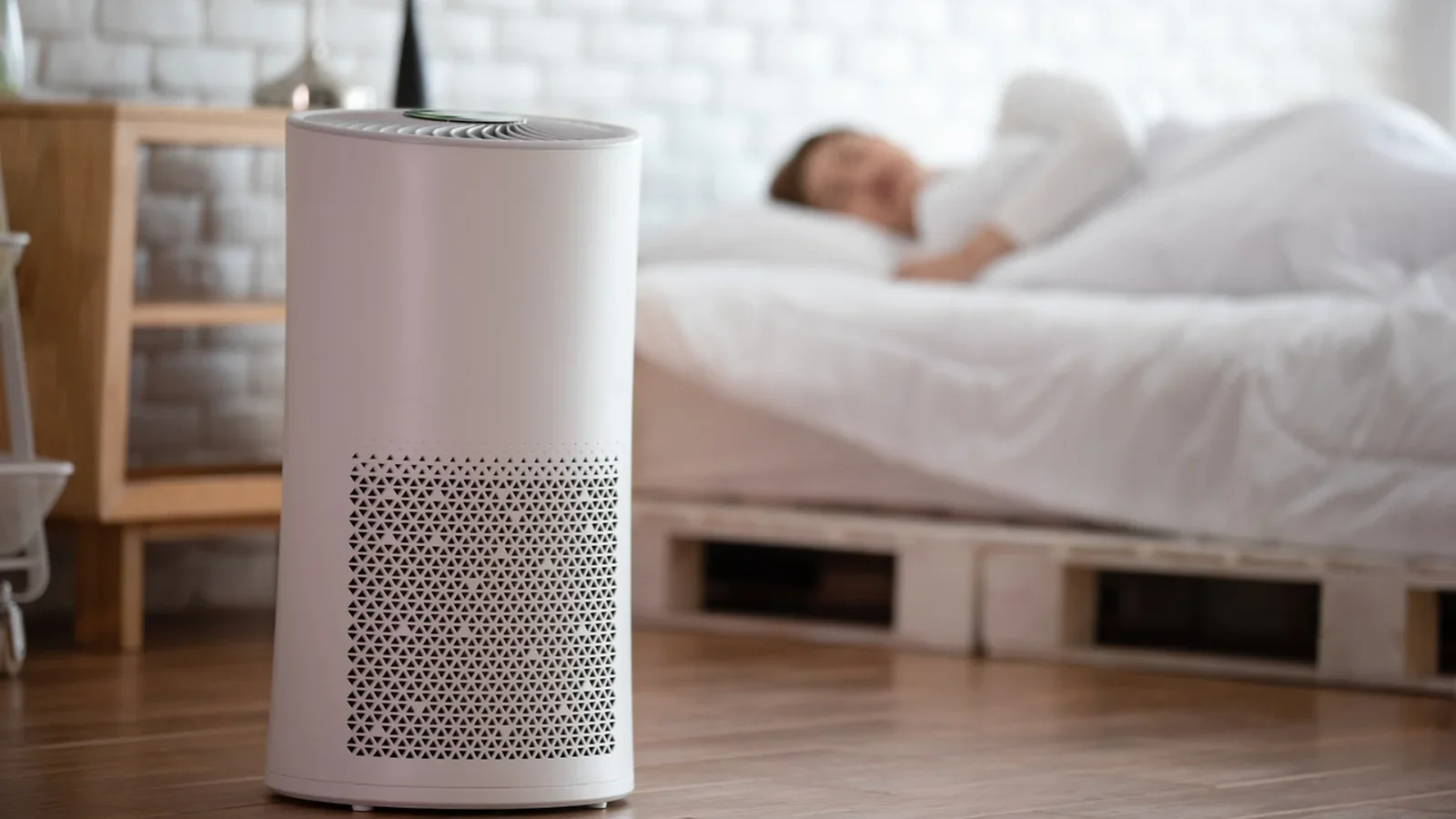
A new study suggests using portable HEPA filters in the bedroom during sleep may stabilise blood-sugar spikes in people with prediabetes. Researchers at NYU Langone Health in the US assessed more than 150 men and women with prediabetes and no known atherosclerosis, a condition involving plaque buildup in the arteries.
Working HEPA filters cut levels of tiny harmful airborne particles in bedrooms by 36 per cent. The improvement was associated with an almost 8 per cent reduction in daily blood-sugar fluctuations, a 17 per cent reduction in additional glucose exposure after breakfast, and peak blood sugar after the morning meal down about 13 per cent.
How the study was done
For the study, participants were randomly divided into two groups. One group slept with portable air cleaners equipped with high-efficiency particulate air, or HEPA, filters in their bedrooms for approximately four weeks. The other group used identical-looking devices without functioning filters, allowing researchers to compare the effects of actual air filtration with those of a sham device.
To monitor the changes, participants wore continuous glucose monitors, which track blood sugar levels at regular intervals. Researchers collected readings for a week before the intervention and again after four weeks of air filtration.
Study lead author, cardiologist Sharine L. Wittkopp of NYU Grossman School of Medicine, said: "cleaner air at home, especially in the bedroom, may help people with prediabetes keep their blood sugar steady and blunt morning spikes." The findings suggest that reducing exposure to indoor air pollution could offer an additional way to support metabolic health.
Why air pollution may affect blood sugar
Fine particulate matter, particularly PM2.5, can travel deep into the lungs and potentially enter the bloodstream. Exposure to these pollutants has been associated with inflammation, oxidative stress and changes in blood vessel function, all of which may interfere with the body's ability to regulate glucose effectively.
Previous research has linked air pollution exposure with insulin resistance and an increased risk of metabolic disorders. The latest findings add to this evidence by suggesting that improving indoor air quality could also influence short-term blood sugar patterns, especially the sharp rise that follows the morning meal.
The study focused on the bedroom because people spend a third of their lives sleeping there, and the air they breathe overnight may shape how their bodies handle glucose the next morning. The bedroom filter offered a simple, low-effort way to test that idea.
A note of caution
The results were presented at the American Heart Association's Scientific Sessions in November 2026 and have not yet been published as a complete peer-reviewed paper. The trial lasted only four weeks and does not establish that air purifiers can prevent diabetes or reverse prediabetes. Researchers plan to conduct longer-term studies to determine whether cleaner indoor air can slow the progression from prediabetes to type 2 diabetes.
Experts stress air purifiers are an addition to, not a replacement for, balanced eating, regular exercise, blood-sugar monitoring and prescribed medication. For now, they should be considered a possible addition to preventive health measures, not a substitute for the steps doctors already recommend.